Best Light Pink Climbing Roses for Bright, Fragrant Garden Solutions
If you’re seeking graceful, light pink climbing roses that can transform walls, fences, or trellises into fragrant focal points, you’re in the right place. This guide highlights five top options that balance beauty, practicality, and adaptability for American gardens. Each selection is best for different spaces and growing conditions, from trellised patios to fenced borders. The quick-glance table below helps compare key notes to guide your choice.
| Product | Best For | Why Pick It |
|---|---|---|
| AKTRD Light Pink Climbing Roses Live Plants | Fast climbers on walls or arbors | Rapid growth with strong fragrance; versatile growth habit |
| Heirloom Climbing Roses Pretty in Pink Eden Climber | Concrete hardiness and repeat blooms | Own root plant, good vigor, lightly fragrant |
| Ma Cherie Cecille Brunner Climbing Rose | Medium-to-large pink climber for borders | Vigorous, large blooms, good for visual impact |
| Ma Cherie Eden Rose Climbing Rose Live Plant | Elegant climber for mixed borders | Large, pink blooms with a refined look |
| Seeds Of Strength 100+ Pink Climbing Rose Seeds | Beginner-friendly climber from seed | Wide climate adaptability, good first-season payoff |
AKTRD Light Pink Climbing Roses Live Plants
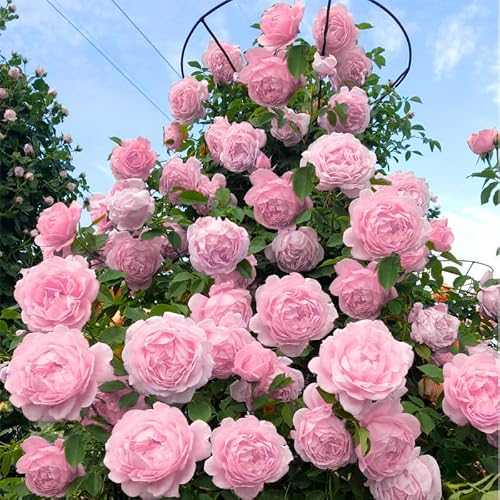
Best for: Gardeners wanting rapid vertical growth and a strong fragrance. This live plant is described as ready to plant and capable of climbing trellises, walls, and fences. Its rapid growth makes it suitable for fences or arbors where quick coverage is desired.
Why this selection: The product emphasizes rapid climbing ability and a wide color range context for climbers, with large and full blooms that create a striking display. It’s chosen for buyers prioritizing fast vertical coverage and a noticeable fragrance in a light pink palette.
Limitations to note: As a live plant, growth speed may vary with climate and care; ensure you provide sturdy support for trellises and structures as the plant establishes.
Heirloom Climbing Roses Pretty in Pink Eden Climber
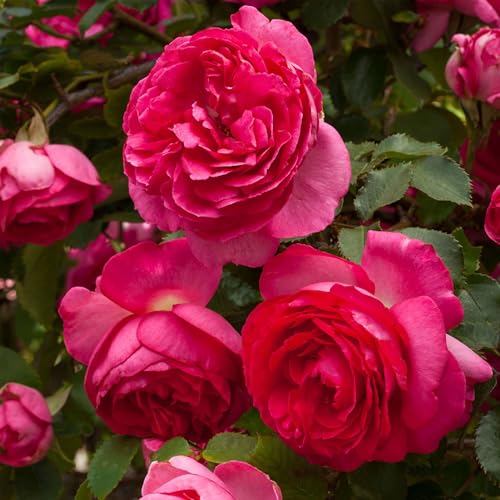
Best for: Growers seeking a reliable, lightly fragrant climber with repeat blooms and an own-root base for vigor. This option suits homeowners planning a dedicated climbing wall or an ornamental trellis.
Why this selection: The Eden Climber is marketed as an own-root plant, which often translates to robust performance and consistent blooming. The pink palette aligns well with light pink garden schemes, and the variety’s resilience suits a range of zones.
Caution: As with many climbers, consistent pruning and support are essential to maintain shape and health. Some climates may require winter protection in colder zones.
Ma Cherie Cecille Brunner Climbing Rose

Best for: Gardeners seeking classic, medium-to-large pink blooms with easy care and strong vigor. This climbing variety works well on fences or trellises adjacent to outdoor living spaces.
Why this selection: Cecille Brunner is described as a climbing rose with pink blossoms and vigorous growth. Its size and color make it a focal point in mixed borders or along garden corridors where a bold pink statement is desired.
Limitation: Performance depends on climate and soil; ensure adequate spacing and pruning to encourage air circulation and reduce disease risk.
Ma Cherie Eden Rose Climbing Rose Live Plant

Best for: Gardeners who want a refined, pink-toned climbing rose with a compact habit and bold flowering potential. This option pairs well with entryways or sunlit walls.
Why this selection: The Eden Rose Climbing Rose is noted for its pink blend and large flower clusters. It’s a “best for” choice for those prioritizing dramatic blooms in a climbing form and a straightforward growing experience.
Caution: Growth can be vigorous; ensure it has room to spread and be mindful of location to prevent overcrowding with nearby plants.
Seeds Of Strength 100+ Pink Climbing Rose Seeds

Best for: Budget-conscious or patient planters who want to establish roses from seed and watch a climb take shape. Suitable for borders, arbors, or fences with proper care.
Why this selection: This product offers wide climate adaptability (USDA zones 4-9) and a relatively quick germination process with proper cold treatment. It’s chosen for buyers who don’t mind a longer establishment timeline in exchange for low initial cost.
Caution: Seed-grown roses can have variability in bloom size and form; grafted or rooted stock often provides more predictable performance for a first-time climber.
Buying Guide: Light Pink Climbing Roses
What should I consider before buying?
- Growing space: Measure the wall, trellis, or fence where roses will climb. Choose a plant with a growth habit that fits the available area and offers vertical coverage without overcrowding.
- Hardiness zones: Check local winter conditions. Some varieties specify zone ranges (for example, zones 5–9). Match a rose to your climate to maximize winter survival and flowering time.
- Root type: Own-root roses can provide vigorous, consistent growth, but grafted varieties may adapt quickly to certain soils or climates. Consider the effect on bloom size and vigor when choosing.
- Fragrance and bloom size: If fragrance matters, prioritize varieties described as fragrant. For visual impact, look for larger blooms and repeat-blooming patterns.
- Care requirements: Some climbers need regular pruning and training to maintain shape and health. Ensure you have a plan for staking and pruning to encourage air circulation and reduce disease.
- Seed versus rooted plants: Seed-grown climbers can be economical but require longer to establish and may produce variable blooms. Rooted or own-root plants offer quicker visual results and more predictable performance.
Practical care tips
- Provide sturdy trellises or arbors; secure supports with ties to prevent wind damage.
- Water deeply at the base, especially during establishment, to promote deep rooting.
- Mulch to conserve moisture and regulate soil temperature.
- Prune in late winter or early spring according to variety guidelines to encourage healthy canes and blooms.
Where to plant for best results
- Full sun (at least 6 hours daily) generally yields the best blooms and healthier plants.
- Avoid low-lying areas prone to frost pockets or excessive moisture, which can deter growth.
- Improve soil with organic matter before planting to support strong root development.
FAQ
- Q: Are light pink climbing roses suitable for beginners? A: Yes, especially varieties labeled as easy to grow or hardier zones, but expect some pruning and training as part of regular care.
- Q: How long does it take for a climbing rose to start blooming? A: It varies by variety, but many will begin blooming within the first growing season after establishment, especially rooted or own-root types.
- Q: Do I need special soil for climbing roses? A: They prefer well-drained soil rich in organic matter. Amend soil lightly before planting and mulch to preserve moisture.
- Q: Can pink climbing roses be grown in containers? A: Some varieties adapt to large containers with careful root management and regular feeding, but trellis use is limited by container size.
- Q: How can I train a climbing rose to cover a trellis? A: Install sturdy supports, loosely tie canes as they grow, and prune to encourage horizontal growth and flowering spurs.
- Q: Are seeds a good starting point for pink climbers? A: Seeds can be economical and offer a sense of accomplishment, but rooted plants generally provide quicker and more predictable flowering.