Best Liners for Outdoor Planters: Durable Fabric and Coconut Fiber Options
Choosing the right liner for outdoor planters helps contain soil, improve drainage, and protect your pots from wear. This guide highlights five top-rated options, spanning durable non-woven fabric liners and natural coconut fiber liners. Each product is selected for performance in outdoor environments, ease of use, and suitability for different planter sizes. The table below summarizes key details to help you compare quickly.
| Product | Size Fit | Material | Notable Benefit |
|---|---|---|---|
| Wshxjzyay 63 x 114 in Liner | Large raised beds | Non-woven fabric | Drainage and soil containment |
| Longzhuo 63 x 114 in Liner | Standard winter greenhouse beds | Non-woven fabric | Durable, cuttable, soil retention |
| Qivine 5 ft x 9 ft Liner | Large raised beds and troughs | Non-woven fabric | Porous drainage, reusable |
| Voccos 12 x 40 in Roll | Versatile pot and basket liners | Coconut fiber felt | Breathable, easy to cut and shape |
| HISDOJIP 3-Pack Coco Liners | Window boxes, hanging baskets | Coconut coir | Natural moisture retention and aeration |
Note: All products listed are suitable for outdoor planter use and designed to improve drainage, reduce soil loss, and support healthy root growth. Links above lead to product pages for more details and purchasing options.
Wshxjzyay 63 x 114 Inch Raised Bed Liner
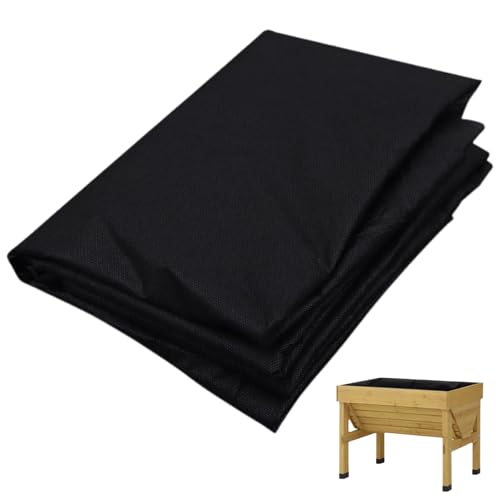
The Wshxjzyay liner uses breathable non-woven fabric designed to balance drainage with soil retention. Its large 63 x 114 inch size makes it suitable for big raised beds or troughs, and the material can be trimmed to fit non-standard planters. It helps minimize soil movement and supports stable root zones in outdoor environments, reducing the risk of erosion during watering cycles.
HISDOJIP 2 Pack 24 Inch Coco Liners

These window box coco liners are made from 100% natural coconut fiber, offering biodegradability and breathability. They arrive pre-formed for quick setup, fit standard window planters, and provide moisture retention with efficient drainage to support healthy root growth in various outdoor conditions. A convenient option for adding natural texture to containers while maintaining soil stability.
Longzhuo 63″ X 114″ Raised Bed Liner
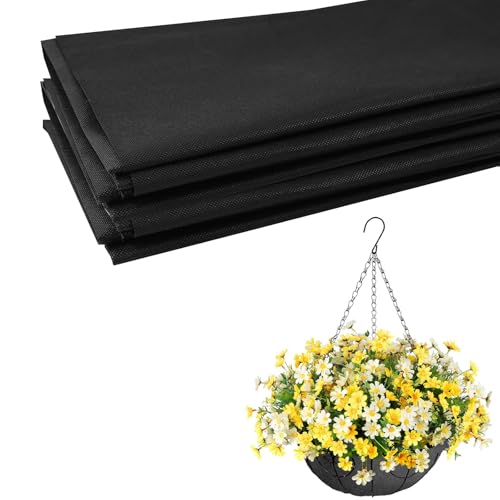
This liner features a durable non-woven fabric designed to withstand heavy soil, frequent watering, and the moisture fluctuations typical of enclosed greenhouse spaces. Its size fits most standard winter greenhouse beds, with cuttable edges for customized sizing. By containing soil while allowing drainage, it reduces crop loss and soil washout in cold-season setups.
Qivine Raised Garden Bed Liner

Qivine offers a 5 ft by 9 ft non-woven fabric liner that is easy to store and reuse. The liner is designed to allow excess water to drain while preventing soil from escaping, making it ideal for large vegetable troughs and raised beds. It can be cut to fit smaller containers, offering flexibility for various garden layouts.
SUNYAY 12×40 Inch Coco Liner Roll
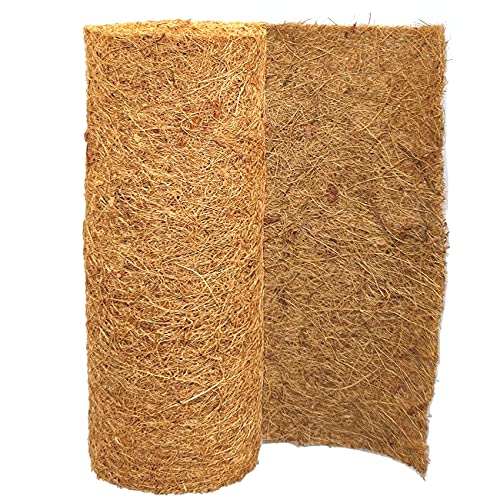
The SUNYAY coco liner is a 12×40 inch roll made from natural coconut coir fibers. It can function as a planter liner, window box liner, or hanging basket liner, and its roll format makes it easy to cut to custom shapes. The material promotes good drainage and air circulation, supporting healthy plant growth in outdoor setups.
Buying Guide: Key Purchase Considerations
Material selection matters for drainage, root health, and durability. Non-woven fabric liners are strong, cuttable, and reusable for many seasons, making them ideal for large or irregular planters. Coconut fiber liners offer natural moisture regulation and aeration, improving root environment in decorative or light-use planters. When choosing, consider planter size, climate, and maintenance expectations.
- Size and fit: Measure planter dimensions and account for any internal features. Look for liners that can be trimmed or folded to fit precisely.
- Drainage vs. containment: Non-woven fabrics prioritize containment with drainage, while coconut fiber provides natural moisture control. Consider your irrigation and exposure to sun.
- Durability: For outdoor exposure, choose materials that resist tearing, UV degradation, and frequent watering without quick wear.
- Reusability: Some liners are designed for multi-season use and easier storage when not in use. Reusability lowers long-term costs and waste.
- Environmental impact: Coconut fiber liners are renewable and biodegradable; non-woven fabrics may be recycled or reused depending on composition.
- Aesthetic compatibility: Dark or black liners blend with most soils and décor, while natural fibers add texture to outdoor spaces.