Best Live Worms for Compost to Boost Soil Health and Faster Breakdown
For home composting and thriving gardens, live worms can accelerate the breakdown of kitchen scraps into nutrient-rich castings. Red wigglers and European nightcrawlers are popular choices for turning waste into a soil amendment that supports healthier plants and richer soil structure. This guide reviews five reliable options, highlighting their distinct benefits, how they work in a compost system, and what to consider when choosing a batch for your bins, worm farm, or garden beds.
| Product | Brand | Key Benefit |
|---|---|---|
| Uncle Jim’s Worm Farm 100 Count Red Wiggler | Uncle Jim’s Worm Farm | High diversity; quick composting |
| NaturesGoodGuys Live Redworms | NaturesGoodGuys | Large starter pack; robust soil conversion |
| Uncle Jim’s Worm Farm 100 Count Super Red European Nightcrawlers | Uncle Jim’s Worm Farm | Greater size; improved aeration |
| Uncle Jim’s Worm Farm 250 Count Red Wiggler | Uncle Jim’s Worm Farm | Bulk option; strong castings |
| WWJD Worms Red Wigglers 1/2lb | WWJD Worms | Easy to manage; versatile applications |
Uncle Jim’s 100 Count Red Wiggler Starter Pack

The Red Wiggler batch from Uncle Jim’s Worm Farm emphasizes diversity, with worms harvested from long-established worm beds that may include multiple earthworm species. This diversity helps worms work across soil layers in the compost, producing faster and richer castings. The resulting worm castings are noted as significantly richer in key nutrients—phosphates, nitrogen, and potash—compared with average lawn soil, supporting healthier plant growth and improved soil structure. Intended for garden soil and compost systems, these worms digest kitchen scraps and waste to create a nutrient-dense amendment for lawns and beds.
In practice, Red Wigglers are quick reactors in home setups, thriving in balanced moisture and aerated bins. Proper bin management—airflow, moisture, and occasional food balancing—ensures faster composting and minimizes odors. This 100-count pack provides a solid starting population for small to medium composting stations and can scale well with additional shipments or blends if needed.
NaturesGoodGuys 1,200 Live Red Wigglers
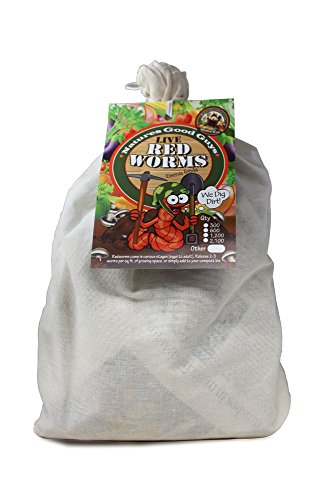
This large starter quantity from NaturesGoodGuys is designed for rapid establishment of worm-based compost systems. Red Wigglers excel at turning organic waste into nutrient-rich castings, making them a reliable choice for larger bins, farm beds, or multiple worm farms. The 1,200 worms offer a strong population that can quickly populate a bin and begin producing worm castings that boost soil biology and nutrient availability for plants.
Prospective buyers should ensure proper containment and feedstock management to avoid overfeeding and to prevent anaerobic conditions. A larger worm count benefits established bins with adequate space and airflow, but smaller setups can still run effectively if managed with staged feeding and occasional bedding refreshes. Red Wigglers thrive in temperatures close to the mid-range of typical indoor compost environments, so maintaining steady conditions supports consistent activity and faster processing of scraps.
Uncle Jim’s 100 Count Super Red Nightcrawlers

European Nightcrawlers, labeled as Super Red Worms in this batch, are notably larger than standard red wigglers. They are harvested from heritage worm beds, which can contribute to a broader range of soil-processing capabilities and improved aeration within compost systems. These nightcrawlers are valued for their size, which translates into deeper burrowing action and enhanced soil structure. The worm castings produced are rich in plant-available nutrients, supporting robust root systems and drought resilience in gardens.
The larger size can be advantageous for aeration-focused composting setups and beds that benefit from deeper soil turnover. As with all worm types, maintaining appropriate moisture and avoiding sun exposure during handling helps keep the population healthy and active. This batch is suitable for medium to larger compost systems and can augment soil conditioning when integrated with bedding and appropriate feedstock variety.
Uncle Jim’s 250 Count Red Wiggler Starter Pack

This bulk option combines the rapid composting prowess of Red Wigglers with the convenience of a larger initial population. The diverse worm beds contribute to efficient compost processing across layers of the bin, speeding the production of worm castings that supply essential nutrients to a wide range of plants. The 250-count pack offers a scalable solution for mid-sized households, community gardens, or farms looking to establish multiple worm bins or expand existing systems.
Users should plan for proper space, airflow, and routine maintenance to sustain activity and prevent crowding. When feeding, diversify scraps to support a balanced diet that keeps worm populations thriving and casting quality high. For owners starting fresh or expanding, this batch provides a solid foundation for ongoing compost production and soil enrichment.
WWJD Worms Red Wigglers 1/2lb

WWJD Worms offers a mid-sized portion of Red Wigglers intended for flexible use in different composting contexts. The product emphasizes nutrient-rich castings and soil fertility, with worms adaptable to a wide range of temperatures and environments. This makes them suitable for various climates and settings, such as raised beds, worm farms for kids, or standard worm bins. The worms’ robust performance is paired with straightforward maintenance, allowing for steady, dependable composting results in home and educational environments alike.
The WWJD line also highlights the practical aspect of using red wigglers in multiple configurations, from small bins to larger farms, enabling growers to tailor the worm population to their bin size and feedstock rate. As with any worm starter, consistent temperature control, moisture management, and scrap diversity help maintain healthy populations and efficient composting production over time.
Buying Guide: Key Purchase Considerations And Comparisons
- Product type and compatibility: Red wigglers (Lumbricus rubellus) are best for efficient decomposition in stable, aerobic bins. European nightcrawlers (Eisenia hortensis) offer larger size and deeper burrowing, beneficial for aeration and heavy feeding, but may require more space and careful moisture control.
- Bin size and space: Larger worm counts suit mid-size to large bins or multiple systems. For apartments or small setups, start with smaller packs and scale up as needed to avoid overcrowding and odor.
- Feeding regimen: Diversify kitchen scraps to avoid nutrient imbalances. Maintain a balanced diet with appropriate browns (carbon-rich bedding) and greens (nitrogen-rich scraps) to promote steady activity and high-quality castings.
- Temperature and moisture: Most composting worms prefer moderate temperatures (roughly 55–77°F). Keep the bin moist but not waterlogged. In hot or cold climates, adjust ventilation and bedding depth to stabilize conditions.
- Castings quality: The nutrient content of worm castings benefits plant growth. Look for packs promoting higher nutrient density or longer bed-life, and consider how castings will be integrated into soil or potting mixes.
- Longevity and care: Regularly monitor worm health, avoid adding meat or dairy to feed, and adjust feeding as the population grows. Species differences affect feeding rates and waste processing speed, so choose a product that matches your goals for composting speed and soil improvement.
- Cost and scalability: Bulk orders can lower per-worm costs, but require more space and maintenance. For beginners, smaller starter packs with clear care instructions are often preferable to ensure successful setup.
- Source reliability: Choose reputable brands with documented worm populations and clear packaging. Consistent quality helps ensure a successful start and predictable composting performance.
Overall, selecting a mix of red wigglers and European nightcrawlers can provide a balanced approach to composting and soil enrichment. Assess your bin size, climate, and gardening goals to determine whether a smaller starter pack or a bulk option best fits your needs. The reviewed products offer varied population sizes and worm types, allowing you to optimize your composting workflow and soil health strategy without sacrificing convenience or reliability.