Best Long Stemmed Rose Plants for Elegant Garden Color and Year-Round Beauty
Find top long stemmed rose plants that thrive in American gardens. This guide highlights five proven options, showing who each rose is best for and why they stand out. Use these picks for colorful borders, romantic entryways, or gift-worthy potted plants. The top choices are all own-root varieties or established 2-quart plants designed for reliable growth and accessibility for home gardeners.
Buyer-friendly quick reference table:
| Product | Best For | Key Benefit |
|---|---|---|
| Ma Cherie Roses – Alec’s Red | Classic red elegance | Own-root, deep crimson blooms |
| Ma Cherie Roses – Royal Dane | Apricot-orange standout | Unique color, own-root |
| Knockout Double Red | Low maintenance color | Hardy, prolific blooms |
| Ma Cherie Roses – Gold Medal Yellow | Bright garden highlights | Vibrant yellow, own-root |
| Ma Cherie Roses – Chicago Peace | Soft pink blends | Romantic tone, own-root |
Ma Cherie Roses Alec’s Red Rose Bush

The Alec’s Red Hybrid Tea Rose delivers luxurious, deep crimson blooms with a classic form. This plant ships own-root, not grafted, which supports stronger hardiness and true-to-type growth over seasons. Best for gardeners seeking a traditional red rose that performs reliably in temperate climates. A gift-ready presentation adds convenience for birthdays or anniversaries.
Who it’s best for: home gardeners who value traditional red roses in a disease-resistant, own-root plant. Why selected: it combines elegant bloom shape with durable growth and straightforward caregiving. Caution: own-root plants may take a bit longer to establish in very cool soils; provide steady moisture and good drainage during the first growing season.
Ma Cherie Roses Royal Dane Rose Bush
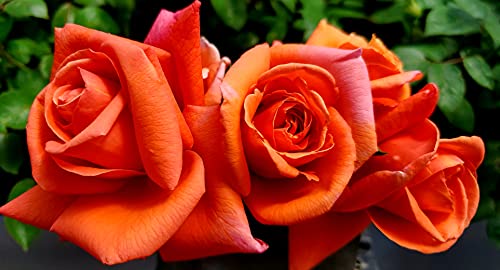
The Royal Dane Rose Bush offers unique apricot-orange blooms that stand out in any garden, providing a warm, eye-catching color profile. It is own-root grown for improved sturdiness and long-term vitality, with a well-rooted 2-quart plant ready to establish quickly. This choice is ideal for color-forward borders or a focal point along a sunny walkway.
Who it’s best for: gardeners seeking a standout color rose with solid hardiness. Why selected: its distinct apricot-orange hue is comparatively rare among long-stemmed varieties. Caution: color may shift subtly with heat and light exposure; position in full sun for best saturation.
Knock Out Double Red Rose

The Double Knockout Rose is a popular, reliable all-season performer. It is widely adaptable across zones 5–11 and produces abundant red double blooms that brighten gardens from spring through fall. This variety is known for low maintenance compared with traditional hybrid teas, making it a practical option for busy or novice gardeners.
Who it’s best for: homeowners seeking a durable, low-fuss red rose that delivers repeat blooms with minimal care. Why selected: its proven track record for vigor and disease tolerance. Caution: blooms will be smaller in very hot climates; ensure consistent watering during heat waves to avoid stress.
Ma Cherie Roses Gold Medal Yellow Rose Bush

The Gold Medal Yellow Rose presents stunning golden blooms that brighten beds, borders, and arrangements. This own-root plant supports a robust base and earlier flowering due to its established 2-quart starting size. Ideal for adding cheerful color and a sunny mood to garden entrances or patios.
Who it’s best for: color-forward garden designers and seasonal decorators. Why selected: strong yellow hue that remains vivid through summer, with good tolerance for cool-season growth due to own-root resilience. Caution: yellow shades may fade with very intense afternoon sun; consider partial shade in extreme heat to preserve color intensity.
Ma Cherie Roses Chicago Peace Rose
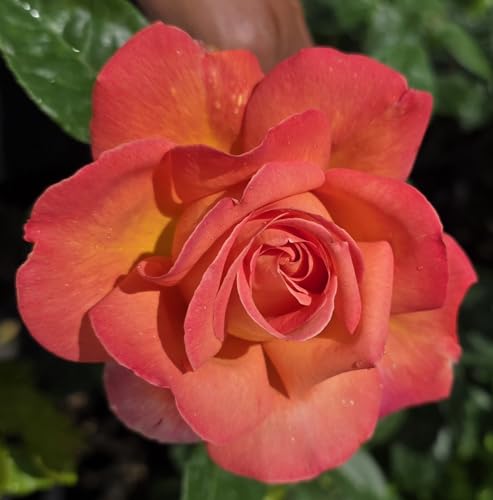
The Chicago Peace Rose blends soft pink with creamy tones in large, romantic blossoms. This own-root plant promises better hardiness and reliable return blooms year after year. It arrives in a well-developed 2-quart pot that supports rapid establishment and sturdy growth in garden beds or containers.
Who it’s best for: lovers of classic pink-toned roses seeking a sweeter, more feminine bloom profile. Why selected: the romantic color mix and dependable own-root vigor make it a versatile long-stemmed option. Caution: pink tones can shift toward warmer peach hues with intense sun exposure; provide balanced moisture to preserve color integrity.
Buying Guide
Key considerations for long stemmed rose plants:
- Root type: Own-root roses generally offer greater longevity and hardiness than grafted varieties, but require consistent moisture during establishment.
- Color and bloom form: Choose colors and bloom shapes that complement existing garden design or seasonal decor.
- Exposure: Most long-stemmed roses prefer full sun for best bloom; ensure 6+ hours of direct light daily for optimal performance.
- Soil and drainage: Well-drained soil with organic matter supports healthy root development and reduces disease risk.
- Container vs. in-ground: Potted 2-quart plants are convenient for patios and decks; in-ground roses offer larger mature size and longevity with proper care.
- Maintenance: Regular deadheading and balanced feeding enhance flowering cycles; select disease-resistant varieties if you want lower upkeep.
Comparative Quick Tips
- Best for classic red color: Alec’s Red
- Better for unique color in borders: Royal Dane
- Low maintenance option with vibrant color: Knock Out Double Red
- Best for bright garden accents: Gold Medal Yellow
- Best for romantic pink tones: Chicago Peace
FAQ
- Q: Are these roses suitable for beginners?
A: Yes, several options use own-root stock and established starting sizes, which are forgiving and establish well with proper care. - Q: Do these plants come in seasonal colors?
A: Colors vary by variety; you can select options with red, apricot-orange, yellow, pink blends, or softer tones. - Q: What kind of soil is best for these roses?
A: Well-drained, fertile soil rich in organic matter supports healthy root systems and robust blooms. - Q: Can these roses be grown in pots?
A: Yes, most are supplied in 2-quart pots and suitable for containers with adequate sun and drainage. - Q: How soon will I see blooms after planting?
A: With proper care, expect flowering within the growing season after establishment, though exact timing depends on climate and care. - Q: Do these varieties require special pruning?
A: Routine pruning to remove dead wood and shape the plant promotes air circulation and flowering, but specific guidance depends on each variety.