Best Milkweed Plants for Butterflies: Attract Monarchs and Boost Pollinators
Planting milkweed is a key step in supporting monarch butterflies and other pollinators. This guide highlights five well-suited selections, ranging from seed collections to live plants and single-species seeds. Each option supports biodiversity, provides nectar for visiting pollinators, and offers caterpillar food for monarchs. The following selections are organized to help American gardeners choose a practical mix of annual and perennial milkweed varieties for sunny beds, borders, or pollinator gardens.
| Product | Brand |
|---|---|
| Seed Needs Milkweed Seeds for Planting a Butterfly Garden | Seed Needs |
| Gardeners Basics, Milkweed Seeds for Monarch Butterflies (4 Variety Pack) | Gardeners Basics |
| Generic Pink Milkweed Live Plants – Pack of 2 | Generic |
| Showy Milkweed Seeds for Planting – Asclepias Speciosa | SURVIVAL GARDEN SEEDS |
| Butterfly Milkweed Seeds Starter Kit | Gardeners Basics |
Seed Needs Milkweed Seeds Collection
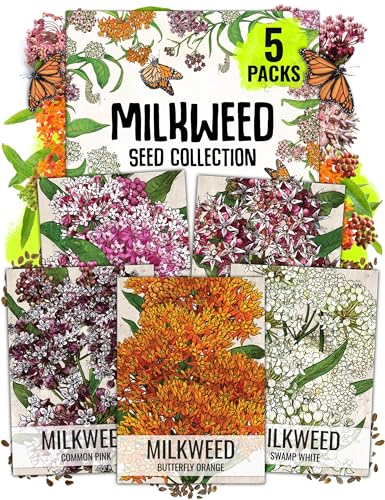
The Seed Needs Milkweed Seeds for Planting a Butterfly Garden offers a 5-pack mix that includes Showy Milkweed, Pink Swamp Milkweed, White Swamp Milkweed, Orange Butterfly Milkweed, and Common Milkweed. Pollinator attraction is a central feature, as milkweed draws bees, butterflies, and hummingbirds with nectar that monarchs particularly favor. This variety pack emphasizes ecological importance by providing both nectar sources and larval food for monarch caterpillars, supporting biodiversity in garden habitats and natural ecosystems.
Gardeners Basics Milkweed Seeds (4 Variety Pack)
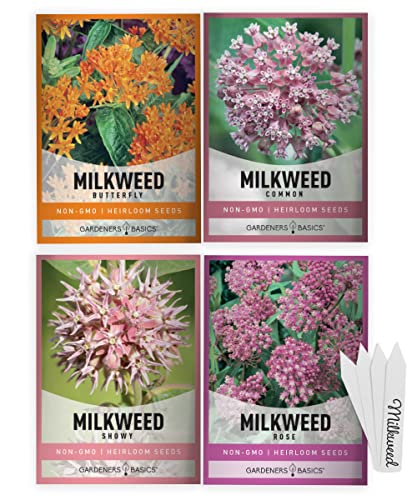
This 4-variety seed assortment includes rose, butterfly, common, and showy milkweed varieties. It is designed for a garden that attracts pollinators, with milkweed as the core plant to support monarchs and other butterflies. The package emphasizes butterfly survival and pollinator visitation, reinforcing the role of milkweed in monarch life cycles and broader pollinator networks.
Generic Pink Milkweed Live Plants – Pack of 2

Pink Milkweed Live Plants arrive as pink-flowered Swamp Milkweed seedlings, offering an immediate presence in the garden. These live plants attract monarchs, bees, and other pollinators, contributing to ongoing biodiversity. The plants are described as 4–6 inches tall upon arrival and are suited for gardens and pollinator habitats, delivering both beauty and ecological value with flowering clusters from mid-summer to early fall.
Showy Milkweed Seeds for Planting
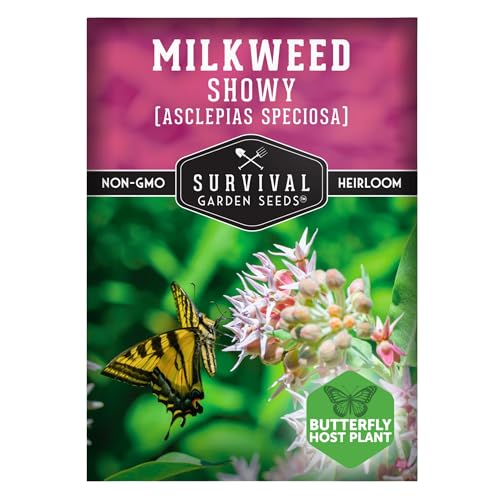
Showy Milkweed Seeds (Asclepias speciosa) are native to North America and favored for monarch butterfly hosting. These drought-tolerant seeds support habitat restoration and prairie plantings, offering striking pink-purple blooms. They are suited to USDA zones 3–9 and contribute to a robust pollinator border while requiring low water once established. The variety is particularly well-suited for xeriscaping and native gardens seeking monarch-friendly habitat.
Butterfly Milkweed Seeds Starter Kit

This starter kit grows four essential milkweed varieties: Common, Butterfly, Rose, and Showy Milkweed. It includes starter pots, soil disks, plant markers, and a growing guide for indoor germination and outdoor transplanting. The kit is designed for beginners and seasoned gardeners alike, offering a structured approach to building a monarch-friendly milkweed habitat with educational grow instructions and practical supplies.
Butterfly Milkweed Seeds Starter Kit

Gardeners Basics offers a four-variety starter kit including essential milkweed types. The kit emphasizes an indoor-to-outdoor growth approach with included pots, soil disks, and markers, along with a detailed growing guide. It supports monarch conservation by making it easier to establish a diverse milkweed base for pollinator gardens and wildlife-friendly landscapes.
Buying Guide: Key Purchase Considerations
- Monarch compatibility: Choose milkweed varieties that serve as larval hosts and nectar sources, including Asclepias incarnata (pink and white swamp), Asclepias tuberosa (orange butterfly weed), and Asclepias speciosa (showy milkweed).
- Plant form and lifecycle: Seeds offer biodiversity and long-term habitat, while live plants provide immediate presence. Seed-start kits help beginners, while perennials ensure year-to-year bloom.
- Climate and soil: Check USDA zones and soil drainage. Drought-tolerant showy milkweed suits dry gardens, while swamp milkweed adapts to wetter soils.
- Pollinator habitat: Prioritize nectar richness and larval food supply to support a broad pollinator community beyond monarchs, including bees and hummingbirds.
- Maintenance and care: Consider germination requirements (stratification for some seeds), watering needs, and seasonal pruning to foster robust stands and extended bloom times.
- Garden planning: Mix multiple nectar sources and host plants to create a resilient pollinator corridor; plant in sun with well-drained soil for best results.
- Non-GMO and open-pollinated options: Favor heirloom or open-pollinated seeds when possible for genetic diversity and seed saving.
- Budget and scale: Seed packs provide cost-effective biodiversity, while live plants deliver quicker impact but may require more initial care and space.
- Native alignment: Native milkweed supports regional ecosystems; select species that naturally occur where you garden for best adaptation.
- Water and maintenance realism: Plan for ongoing water needs during establishment, then allow drought-tolerant species to reduce long-term maintenance.
In choosing among these options, consider your timeline, space, and how actively you want to manage germination, transplanting, and ongoing maintenance. A mix of seeds, starter kits, and a couple of hardy live plants can provide both immediate visual impact and lasting habitat for monarchs and other pollinators.