Best Native American Tobacco and Native Plant Seeds for a Colorful Garden
Find top options for native American tobacco seeds and complementary native plant seeds that suit xeriscapes, wildlife gardens, and traditional herb beds. This guide highlights five practical choices, explains who they’re best for, and points out any limitations to consider before planting. It’s ideal for gardeners seeking ornamental tobacco or drought-tolerant native species that support pollinators and natural landscapes in American climates.
The following table provides quick reference for the chosen products, including type, key benefit, and ideal growing conditions.
| Product | Best For | Growing Focus |
|---|---|---|
| Nicotiana Mix Bedder Seeds | Ornamental tobacco lovers, containers, and borders | Vibrant star-shaped blooms |
| Starmaker Series Nicotiana Lime and Purple | Compact tobacco varieties for small gardens | Colorful, dwarf tobacco blooms |
| AFD Home Tobacco Native American Indian 6ft | Theme gardens and Americana displays | Traditional tobacco statue/ornament |
| Eden Brothers Native Western Xeriscape Flower Seed Mix | Low-water native bloom mix for Western landscapes | Drought-tolerant wildflowers |
| Indiangrass Seeds for Planting | Prairie restoration and tallgrass habitats | Golden plumes, erosion control |
Nicotiana Mix Bedder Seeds

Nicotiana Mix Bedder Seeds offer a variety mix of star-shaped blooms in red, pink, white, and purple. This ornamental tobacco set comes with 500 seeds, enabling coverage of beds, borders, and containers. The velvety blossoms add dramatic color to landscapes and are best for gardeners seeking bold focal points in late-summer color palettes.
Best for: Gardeners who want a generous supply of ornamental tobacco plants for borders or container arrangements, with a blend of vivid colors for visual impact. The large seed quantity supports multiple planting rounds or larger display areas.
Caution: Ornamental tobacco can require consistent moisture and some shade during peak heat; ensure proper spacing to prevent overcrowding in smaller beds. Germination and growth may vary by locale and season.
Eden Brothers Native Western Xeriscape Flower Seed Mix
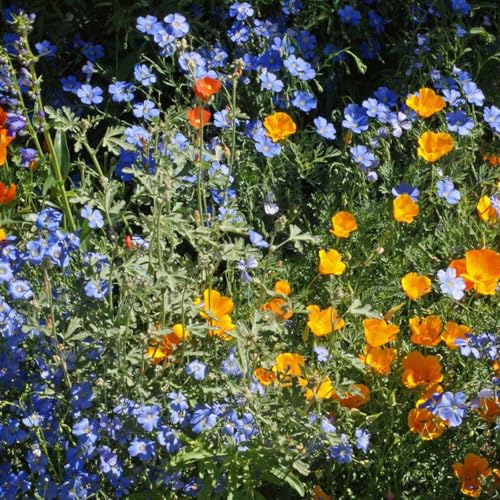
This mix includes 16 drought-tolerant western native wildflower varieties such as California poppy and lupine. It’s designed for sunny western landscapes, delivering bold color with a wind-swept meadow aesthetic. The seeds are 100% pure with no fillers, supporting pollinators and low irrigation needs once established.
Best for: Gardeners focusing on water-wise landscapes, pollinator friendliness, and a broad mix of native blooms to create texture and color in xeriscaped spaces. It’s ideal for sun-drenched beds and borders in the American West.
Limitation: This is a wildflower mix rather than a tobacco plant, so it’s not a substitute for ornamental tobacco; it’s best used as a complementary native planting to diversify habitat and visual appeal.
Indiangrass Seeds for Planting

Indiangrass Seeds provide a native prairie grass option with golden bronze plumes and blue-green foliage. This drought-tolerant North American native grass supports pollinators and wildlife and is well-suited to prairie restoration, xeriscaping, and soil erosion control. It adapts to USDA zones 4-9 and forms tall, graceful seed heads for year-round interest.
Best for: Viewers seeking a tall native grass for habitat restoration, prairie-style plantings, or erosion control in sunny, low-water landscapes. It’s particularly suitable for naturalized areas or as a backbone plant in native meadows.
Limitation: Grasses can spread through self-seeding; space and maintenance planning are important to prevent over-competition with slower, shorter perennials in mixed borders.
Native Wildflower Seeds For Planting 24 Variety Pack

This 24-variety native seed pack includes New England Aster, Purple Coneflower, Black-Eyed Susan, and many other perennials and annuals. It supports pollinators, birds, and beneficial insects, while improving soil and reducing erosion. The mix emphasizes drought tolerance and adaptability to full sun or light shade.
Best for: Gardners seeking a robust pollinator-friendly lineup with a mix of flowering grasses and bloomers to sustain biodiversity across seasons. It’s an excellent foundation for a diverse, low-input native garden.
Limitation: With a broad mix, bloom times and growth habits vary; plan staggered planting and succession to maintain continuous color through the growing season.
Buying Guide
What should I plant if I want native American tobacco looks?
Choose ornamental tobacco seeds like Nicotiana mix or Starmaker varieties for dramatic star-shaped blooms. These are best in sunny positions with some afternoon shade in hot regions and require consistent moisture.
Which native seeds support pollinators and drought tolerance?
Products from Eden Brothers and Indiangrass Seeds emphasize drought tolerance and pollinator-friendly blooms. They suit dry, sunny landscapes and help establish habitats for bees and butterflies.
How many seeds should I expect to plant per area?
Ornamental tobacco seeds are tiny; follow the package depth guidance and space per plant to avoid crowding. Wildflower mixes generally require light sowing; evenly broadcast and water gently until germination occurs. Grass seeds like Indiangrass need soil contact and proper moisture to establish an extensive root system.
Are there considerations for soil and water needs?
Native wildflowers thrive in well-drained soils with minimal irrigation once established. Ornamental tobacco prefers evenly moist soil in well-lit areas. Xeriscape mixes are designed for low water use but still need initial moisture for germination.
What about garden design and maintenance?
Combine taller tobacco plants with shorter wildflowers to create layered interest. Use native grasses as structure for prairie-inspired scenes. Prune or deadhead as needed to maintain bloom cycles and manage seed production in fall.
How do I prevent invasiveness in native plantings?
Choose locally appropriate native species and monitor self-seeding habits. Space plants according to growth rates, and remove excess volunteers in problem areas to maintain balance with other garden species.
What is the best planting timeline?
Indoor sowing for tobacco varieties 6–8 weeks before last frost helps early emergence. For wildflowers and grasses, sow after the last frost in spring or in fall in milder climates, depending on your zone. Monitor moisture and protect young transplants during establishing weeks.
How can I maximize biodiversity with these seeds?
Plant a mix of bloom times and heights to create year-round nectar sources for pollinators. Include grasses and seed-head plants to provide shelter and food for birds and beneficial insects throughout seasons.
FAQ
- Q: Are ornamental tobacco plants safe for flowering beds around pets? A: Gardeners should verify local guidelines and supervise pets around any ornamental plants, as some tobacco-related species can be mildly irritant if ingested in large amounts.
- Q: Do native wildflower mixes require fertilization? A: Most native mixes thrive with minimal fertilization; excessive fertilizer can encourage invasive growth or reduce biodiversity.
- Q: Can Indiangrass be grown in containers? A: It is best in open-ground beds; some varieties can be grown in large containers with careful root management and adequate sun.
- Q: How long until blooms appear for tobacco varieties? A: Ornamental tobacco typically blooms in the warm season after germination and establishment, varying by climate and growing conditions.
- Q: Do these seeds attract pests? A: Native wildflowers can attract beneficial insects; monitor for pests and manage with observation rather than heavy-handed chemical controls.