Best Non Fruit Bearing Olive Trees for Elegant Greenery and Low Maintenance
Answering the search for non fruit bearing olive trees, this guide highlights ornamental and low-fruit or fruitless options suitable for containers, patios, and garden beds. Ideal buyers include those seeking Mediterranean charm without fruit production, households with limited space, and anyone preferring drought-tolerant greenery. The top picks mix dwarf, ornamental, and even realistic artificial options for easy care. Below is a quick summary of five relevant products and who they’re best for.
| Product | Best For | Notes |
|---|---|---|
| CitronellaKing 1 Dwarf Fruitless Olive Tree | Small spaces, ornamental year-round greenery | Drought-tolerant, compact; fruitless variety |
| VIVATREES Artificial Olive Trees | Low-maintenance decor, indoor spaces | No watering or sunlight needed |
| American Plant Exchange Arbequina Olive Tree – 5-Inch Pot | Ornamental with potential olives | Fruit bearing; best for edible or culinary use |
| American Plant Exchange Arbequina Olive Tree – 6-Inch Pot | Larger decorative olive tree with edible fruits | Fruit bearing; ideal for patios with scale |
| Arbequina Olive Tree – Live Plant (Special Blend Fertilizer) | Ornamental with edible potential | Fruit bearing; includes care guides |
CitronellaKing 1 Dwarf Fruitless Olive Tree

This dwarf olive sapling is Olea europaea ‘Montra’, arriving in a 2.5-inch nursery cube and ready to plant. It’s described as a compact fruitless olive, making it ideal for small gardens or containers where fruit production is not desired. Best for buyers who want a non-messy, evergreen accent without olives. The plant tolerates full sun and drought, delivering a neat, ornamental presence with minimal maintenance. A short caution: while drought-tolerant, young plants benefit from steady moisture during establishment. Use in sunny patios or entryway planters for a refined Mediterranean vibe.
VIVATREES Olive Trees Artificial Indoor, 7FT

This product is an artificial olive tree designed for indoor spaces. It includes a planter and requires no sunlight, water, or pruning. It’s best for buyers seeking a long-lasting, maintenance-free decorative tree that closely mimics a living olive tree without any fruiting concerns. Choose this for renters, offices, or households prioritizing consistent appearance with minimal upkeep. A limitation: the look is realistic, but it remains artificial and lacks live plant benefits like air purification or growth over time.
American Plant Exchange Arbequina Olive Tree – 5-Inch Pot
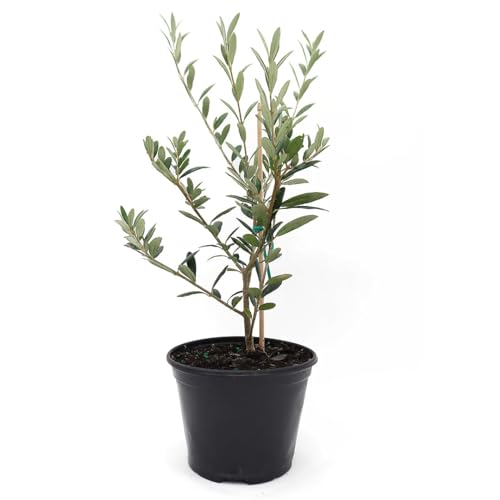
Low-key, elegant and drought-tolerant, this Arbequina olive tree offers ornamental appeal with the potential for olives. It’s best for buyers who want a small edible olive tree that also functions as a standout container plant. The listed features emphasize timeless Mediterranean charm and culinary value. Notably, this is a fruit-bearing variety, so consider selecting this if you’re interested in future harvests; otherwise, a fruitless or ornamental cultivar may be preferred. Caution: fruit production depends on environmental conditions and pollination, which are not guaranteed in every setup.
American Plant Exchange Arbequina Olive Tree – 6-Inch Pot

This option emphasizes year-round ornamental appeal with robust greenery and potential fruit production. It’s best for buyers who want a larger, more sculptural olive tree in containers or patios. The product is fruit bearing and suitable for culinary use when fruiting conditions are favorable. If you’re prioritizing non-fruiting decor, consider a fruitless cultivar or the artificial alternative above. Limitation: fruit production is not guaranteed in all environments; plan for ornamental use if fruiting is not desired.
Arbequina Olive Tree – Live Plant (Special Blend Fertilizer)
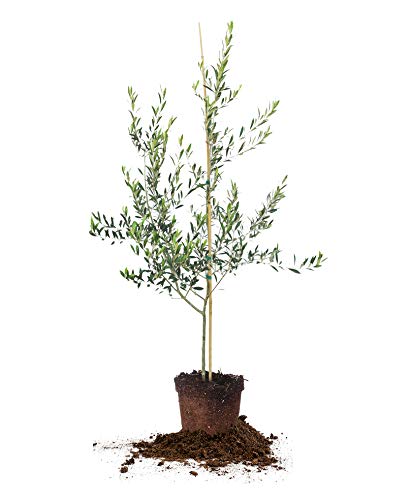
Includes special blend fertilizer and a planting guide. This live plant is self-pollinating and edible olives may develop over time. Best for buyers who want a ready-to-go olive tree with ongoing care guidance and the possibility of harvesting olives. If you specifically want non-fruit bearing, this option may not be ideal unless you prune to prevent fruiting. Caution: fruit production can vary by climate and care, so plan for ornamental use if your goal is strictly non-fruiting foliage.
Buying Guide: Non Fruit Bearing Ornaments And Practical Considerations
What type of non-fruit bearing olive tree should I choose?
- Fruitless dwarf varieties are ideal for small spaces and minimalist aesthetics.
- Ornamental fruiting trees may look good but could produce olives under the right conditions.
- Artificial trees provide consistent appearance with zero maintenance but lack live-plant benefits.
How important is container size and placement?
- Smaller 5-6 inch pots suit balconies and compact patios; larger 6- to 12-inch pots support taller growth on decks or near doors.
- Place in full sun for best foliage color; ensure proper drainage to prevent root issues.
What maintenance is required for non-fruit bearing options?
- Dwarf fruitless varieties need occasional pruning to maintain shape and prevent leggy growth.
- Ornamental and artificial trees require minimal to no maintenance beyond dusting occasional.
- Even fruitless trees benefit from well-draining soil and appropriate watering during establishment.
Are there considerations for indoor versus outdoor use?
- Indoor plants benefit from brighter light but may struggle with low humidity; use supplemental lighting if needed.
- Outdoor specimens handle drought better, especially in sun-filled zones. Check zone compatibility for hardy varieties.
FAQ
- Can I grow non-fruit bearing olive trees indoors? Yes, especially ornamental or dwarf varieties; ensure adequate light and drainage.
- Do fruitless olive trees ever start producing fruit? Some cultivars are bred to be consistently fruitless, but environmental factors could trigger limited fruiting in rare cases.
- Are artificial olive trees safe for pets? Most synthetic models are non-toxic, but avoid ingestion of small parts or coatings by curious pets.
- What maintenance is required for fruitless olives? Minimal—light pruning, watering during establishment, and sun exposure.
- Do olive trees tolerate drought? Yes, many olive varieties are drought-tolerant but perform best with regular moisture during the establishment phase.
- Is there a risk with fruit-bearing trees near kids or pets? Olives can drop fruit; if you want a clean, mess-free space, choose a fruitless cultivar or artificial tree.