Best Non-Toxic Sand for Sandbox Play and Sensory Learning
Choosing non-toxic sand for a sandbox or sensory play area is essential for safe, creative learning. This guide highlights five trusted options, outlining their features, and offering practical tips to pick the right sand for indoor and outdoor use.
Summary of chosen products
| Product | Brand | Key Use | Notes |
|---|---|---|---|
| Classic Sand & Play 20 lb | CLASSIC SAND & PLAY | Sandbox, therapy, table play | Non-toxic, premium-grade; ideal for learning and therapy use |
| U.S. Silica Large 50 lb | U.S. Silica | Sandbox, art trays, sensory play | Finely graded and fully washed; bulk durability |
| Sun Joe Silica Play Sand 50 Lbs | Sun Joe | Sandbox, sensory tables, gardens | Ultra-fine, natural white silica; versatile |
| Sandpiper Multiuse 25 Lbs | Sandpiper | Sandbox, sensory bins, crafts | 100% natural, thoroughly cleaned and washed |
| Chico Land Waterplay & Sensory Sand 2.2 lb | Chico Land | Water tables, sandboxes, indoor/outdoor play | Non-toxic, mess-free, resealable bag |
Classic Sand & Play 20 lb Non-Toxic Sand
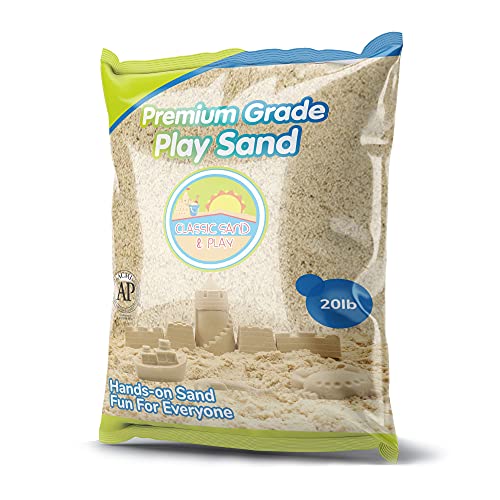
This premium-grade play sand is soft, easy to mold when wet, and thoroughly processed to be 100% safe and non-toxic. It supports early learning activities in homes and classrooms, with a focus on sensory exploration and fine motor development. The sand is suitable for sandbox play, sand tables, and therapeutic settings, helping children engage creatively while building hand-eye coordination.
U.S. Silica Large 50 Pound Play Sand

This finely graded and fully washed sand is designed for durability in large-batch use. It holds shape well for playground-style projects, sand trays, and sensory trays. The non-toxic composition provides a safe play environment for children while supporting creative construction and cleanup ease.
Sun Joe Silica Play Sand 50 Lbs

This natural, ultra-clean sand offers a soft, smooth texture ideal for molding, digging, and sculpting. Its versatility makes it suitable for sandboxes, sensory tables, gardens, and even art projects. The sensory benefits include enhanced tactile exploration and fine motor skills development across ages.
Sandpiper 25 Lbs Multiuse Play Sand

Sandpiper sand is 100% natural and thoroughly cleaned, making it ideal for delicate hands and imaginative play. Its purity supports safe sand tables, sensory bins, and classroom arts and crafts, while its consistently sized grains help builders form sturdier sandcastles and sculptures.
Chico Land Waterplay & Sensory Sand 2.2 lb
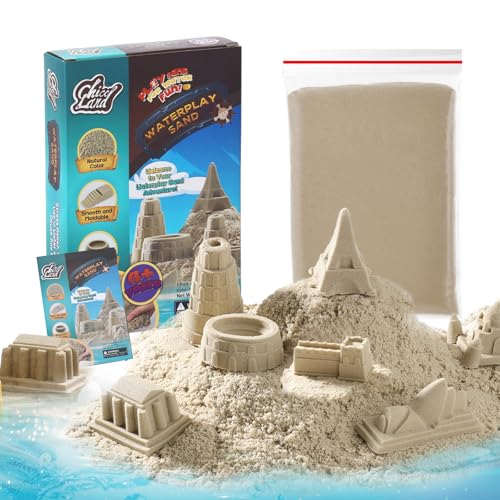
This waterplay and sensory sand is designed for both dry and underwater play. It’s non-toxic, non-sticky, and easy to clean, making it suitable for indoor use and outdoor setups. The compact bag is convenient for travel or quick setup in a variety of play spaces while meeting ASTM safety standards for kids aged four and up.
Buying Guide: Key Considerations For Choosing Non-Toxic Sandbox Sand
- Safety and certifications: Verify non-toxic claims and look for third-party testing or toy-safety compliance where available. Materials should be free from harmful chemicals to support safe play for young children.
- Grain size and texture: Fine to medium grains mold easily for building, while coarser sands offer structure for shells and castling. Consider sensory goals and the age of children when selecting texture.
- Purity and washing: Sand that is thoroughly washed and dried reduces dust and contaminants, improving indoor air quality and cleanliness in play areas.
- Washability and cleanup: Sands that won’t cling to skin or clothes with minimal cleanup save time and keep spaces tidier, especially in classrooms or homes with multiple kids.
- Bag size and portability: Larger bags are cost-effective for frequent use, while smaller bags work well for limited spaces or travel.
- Versatility: Some sands work well in sandboxes, sensory tables, water tables, and crafts. If you need a single product for multiple uses, prioritize multi-purpose options.
- Therapy and learning potential: Sands designed for therapy often offer consistent textures and predictable behavior, supporting sensory integration and creative expression.
- Maintenance and cleanup plan: Consider whether you’ll need to replace sand periodically due to wear, or if the product allows easy maintenance and surface cleanup.
Practical tips for using non-toxic sandbox sand
- Introduce a sensory bin or small indoor table to keep a portion of sand contained and reduce mess in shared spaces.
- Combine different textures or colors to stimulate imaginative play while maintaining safety and cleanliness.
- Use shallow containers for younger children and mix in water tables to explore wet-dry play experiences.
- Regularly inspect sand for debris, and consider covering the play area when not in use to minimize dust and contamination.