Best Organic Bare Root Fruit Trees for a Ready-to-Go Home Orchard
Answering the search for organic bare root fruit trees, this guide highlights five practical options for starting or expanding a small outdoor orchard. Each pick emphasizes disease-resistance, easy establishment, and suitability for American climate zones. The buyers most likely to benefit are home gardeners seeking low-maintenance trees, new orchard enthusiasts, and urban homesteaders with limited space who want organic, homegrown fruit.
| Product | Type | Best For | Notes |
|---|---|---|---|
| 6 Live Fruit Trees – Backyard Orchard Starter Bundle | Bundle | Starter orchards | Includes apples, plums, and black cherries |
| Apple, Plum & Pear Trees (3-Pack) | 3-Pack | Diverse backyard orchard | One of each fruit |
| 2 Live American Persimmon Trees | Bare root | Unique fruit option | Hardy, fast-establishing |
| Apple Tree Saplings – 3 Live Dormant Apple Trees | Bare root saplings | Fresh apples in seasons | Ships dormant |
| 2 Sweet American Plum Tree Seedlings | Seedlings | Early fruiting plums | Well-rooted, faster harvest |
6 Live Fruit Trees – Backyard Orchard Starter Bundle

The starter bundle includes 2 Black Cherry Trees, 2 Plum Trees, and 2 Apple Trees. It is best for buyers who want variety and a quick setup for a small garden or fenced yard. The trees are described as healthy, with strong roots suitable for planting in gardens, raised beds, or landscape projects. This option is ideal for homeowners aiming to establish a multi-fruit home orchard with an organic focus.
Who it’s best for: new orchardists needing immediate diversity and a ready-to-plant package. Why selected: a complete ensemble reduces sourcing time and ensures a mix of fruits for fresh eating and cooking. Caution: bare-root status requires careful initial watering and proper planting to optimize root establishment.
Apple, Plum & Pear Trees (3-Pack) – Dwarf Fruit Trees

This three-tree set includes live apple, plum, and pear trees. It’s best for small backyards or container-friendly spaces where you want a diversified yet compact orchard. The trees are described as having strong root systems and are ready for transplanting, designed for robust establishment and growth. Choose this if you want complementary fruit varieties without a large footprint.
Best for: urban or small-space orchards seeking three complementary fruit types. Why selected: diversity in a limited space supports continuous harvest windows. Caution: dwarf varieties may still require pruning and staking to maintain shape in windy areas.
2 Live American Persimmon Trees
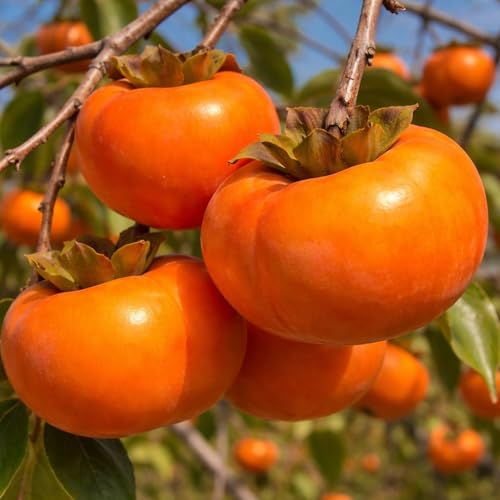
Two American persimmon trees are best for buyers seeking a distinct fruit option that thrives in various American climates. These dormant bare-root seedlings are easy to plant and establish quickly in well-drained soil with sunlight. Persimmons offer flavorful orange fruit that can be eaten fresh, dried, or used in baking. This choice suits someone prioritizing a hardy, low-maintenance tree with unique fruit.
Who to choose: gardeners wanting a late-season fruit with minimal pest pressure. Why selected: persimmon trees often adapt well to poor soils and require less fertilization. Limitation: fruit production may take several years to scale, depending on climate and care.
Apple Tree Saplings – 3 Live Dormant Apple Trees
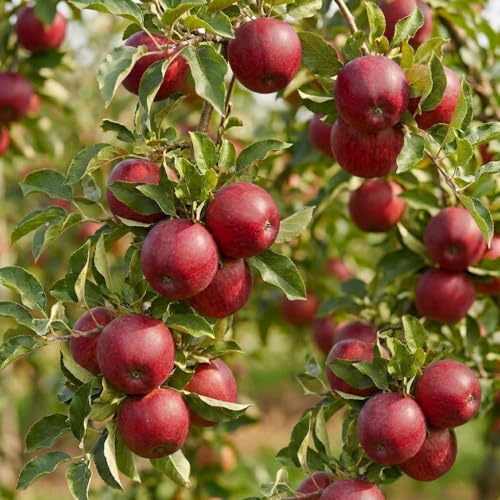
Three live apple tree saplings delivered dormant are ideal for buyers who want to grow fresh apples in a home orchard, backyard, or container setting. Apple trees are hardy and adaptable, thriving in full sun with well-drained soil. They are suitable for buyers seeking long-term fruit production and flexibility in planting locations.
Best for: home orchard enthusiasts who want dependable apple production. Why selected: apple trees offer reliable harvests with proper pruning and care. Caution: dormant shipment requires careful handling and timely planting in suitable soil to ensure root establishment.
Farmer’s Secret Fruit Tree Booster Fertilizer (32oz)

Although not a tree, this fertilizer is a practical addition for organic fertilization of fruit trees, including peaches, bananas, and apples. It is designed for the early growth cycle after dormancy when nutrition is critical. This product is best for buyers looking to optimize nutrient delivery and early fruit set while maintaining organic practices.
Best use: integrate into a seasonal feeding plan to support root development and vigor. Caution: use as directed to avoid over-fertilization, which can stress young trees.
2 Sweet American Plum Tree Seedlings

Two well-rooted, 1-year-old plum seedlings are ready for immediate planting. They establish quickly and grow into trees that can provide fruit within a few seasons. Plums require full sun and grow into trees that fit well in larger yards or informal orchards, offering a faster path to harvest than seeds.
Best for: gardeners seeking faster fruiting with minimal seed-to-harvest time. Why selected: these young trees hit the ground ready to develop, shortening the wait for plums. Limitation: young trees may need consistent irrigation and support in windy periods to prevent toppling or setback early on.
Buying Guide: Key Considerations For Organic Bare Root Fruit Trees
- Climate compatibility: Check hardiness zones and select varieties that tolerate your regional winters and summers. Bare root trees are most sensitive to transplant timing; plan for spring planting in cooler regions and fall planting in milder zones.
- Root health: Look for trees described as having strong root systems and vigorous growth. Healthy roots increase transplant success and reduce transplant shock.
- Space and mature size: Consider tree size at maturity. Dwarf or semi-dwarf varieties suit small spaces or containers, while standard sizes may require more planting area.
- Soil and sun requirements: Most fruit trees prefer well-drained soil and full sun. Ensure your planting site offers the necessary light and soil conditions for best fruit production.
- Watering and establishment: Bare-root trees need regular moisture during the first growing season. Plan for consistent irrigation until roots establish fully.
- Organic care: Choose products and practices that align with organic gardening, including compost, mulch, and certified organic fertilizers with measured application.
- Fruit variety mix: A mix of apples, plums, pears, persimmons, and cherries can extend harvest seasons and diversify your home orchard.
Frequently Asked Questions
- Q: Are bare-root fruit trees suitable for beginners? A: Yes, with careful planting and consistent watering, bare-root trees can establish quickly and be productive over time.
- Q: When is the best time to plant bare-root trees in the U.S.? A: In most regions, early spring after the last frost or late fall in milder climates is ideal for establishing roots.
- Q: Do bare-root trees require special soil amendments? A: Use well-drained soil with organic matter. Avoid heavy amendments that retain too much moisture around the roots.
- Q: How long before I harvest fruit from these trees? A: It varies by species; some trees may bear within 2–4 years, while others may take longer to establish before fruiting reliably.
- Q: Can I plant multiple varieties close together? A: Yes, but ensure adequate spacing for air circulation and sunlight, which helps reduce disease pressure and improve yields.
- Q: Are these bundles organic-friendly? A: The product descriptions emphasize healthy, live trees and organic care practices; verify soil health and pest control methods compatible with your organic standards.