Best Organic Cactus Potting Soil for Succulents and Desert Plants
The best organic cactus potting soil drains quickly while giving roots enough air and moisture to grow. Espoma is a versatile pick for cactus, succulents, palms, and citrus; Back to the Roots suits gardeners who need a larger volume; Rosy Soil is a peat-free option; LGM offers an OMRI Listed formula; and Hoffman provides ready-to-use soil in a two-bag pack. Compare ingredients, drainage features, and quantity to choose a mix for your plants and potting needs.
| Product | Best for | Standout feature |
|---|---|---|
| Espoma Organic Cactus Potting Soil | Multi-plant container gardens | Myco-Tone blend |
| Back to the Roots 12-Quart Mix | Repotting several plants | Perlite, sand, and aged bark |
| Rosy Soil Cactus & Succulent Mix | Peat-free preference | Chunky texture and worm castings |
| LGM Cactus & Succulent Soil | Organic ingredient-focused care | OMRI Listed blend |
| Hoffman Organic Mix, 2 Pack | Ready-to-use convenience | Two bags with drainage-focused mix |
Espoma Organic Cactus Potting Soil
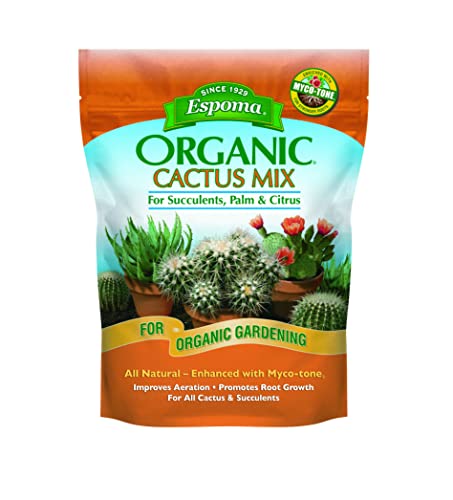
Espoma’s 4-quart mix is designed for cactus, succulents, palms, and citrus grown in containers, indoors or outdoors. Its listed ingredients include sphagnum peat moss, humus, and perlite, which are intended to support aeration and drainage. The formula also contains the brand’s Myco-Tone blend of endo- and ecto-mycorrhizae.
Best for: Plant owners who want one organic mix for multiple types of container plants, including aloe, jade plants, and barrel cactus. It was selected for its broad listed plant uses and combination of organic materials with perlite.
Consider: The package contains 4 quarts, so it may not be the most convenient choice when repotting a large collection.
Back to the Roots 12-Quart Cactus Mix
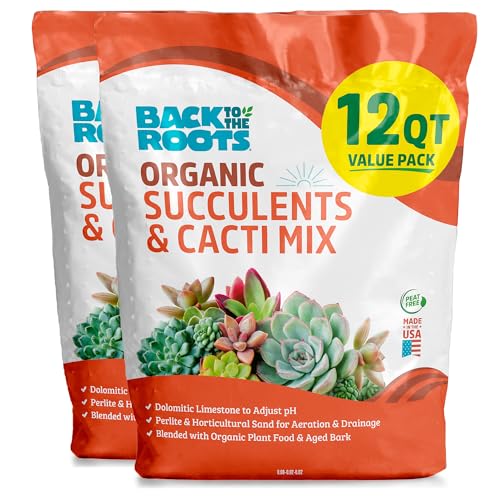
This 12-quart product is labeled 100% organic and made in the USA. Its feature list names aged bark for soil structure, along with perlite and horticultural sand to encourage fast drainage. The maker says this drainage system is intended to help avoid waterlogged soil and reduce the risk of root rot.
Best for: Gardeners who need more mix for several pots or repeated repotting. Compared with the smaller bags in this selection, the 12-quart size provides a larger supply while retaining the same stated blend features.
Consider: A larger bag may be unnecessary for someone caring for only one small plant. The listed details do not specify the exact proportions of bark, perlite, or sand.
Rosy Soil Peat-Free Cactus Mix

Rosy Soil’s 4-quart mix is described as chunky and airy, with a peat-free formula intended to drain freely. Its product details also list beneficial fungi, microorganisms, and organic worm castings. The maker presents these ingredients as a way to support roots without synthetic fertilizers.
Best for: Buyers who specifically want to avoid peat moss or prefer a chunky-textured soil. The inclusion of worm castings and microbes distinguishes it from mixes whose listed features focus mainly on mineral drainage ingredients.
Consider: The product information does not identify the specific materials that create its chunky texture. Check the bag details if you need a complete ingredient breakdown before use.
LGM Organic Cactus & Succulent Soil

LGM’s 0.5-cubic-foot mix uses volcanic ash and porous perlite to create air pockets and promote fast, even drainage. Listed natural nutrient sources include chicken manure, kelp meal, and iron sulfate. The product is described as OMRI Listed and says it contains no synthetic fertilizers.
Best for: Buyers looking for an organic soil with named nutrient ingredients and a larger volume than small quart bags. The product is also described for citrus, palms, and plumeria, as well as cactus and succulents.
Consider: The 0.5-cubic-foot format is a different measurement from quart-sized bags, so compare the amount you need before ordering. Its natural nutrient sources may not suit shoppers seeking an unamended mix.
Hoffman Organic Cactus Soil, 2 Pack

This Hoffman listing includes two bags of ready-to-use organic cactus and succulent soil. The product details emphasize providing the drainage cacti need and avoiding the need to blend ingredients before potting. It is positioned as a mix for growers who want a prepared option for desert plants.
Best for: Buyers who value convenience and want two bags on hand for multiple pots or future repotting. It was selected as a straightforward ready-to-use alternative to mixes whose features describe specific ingredient combinations.
Consider: The provided product details do not list the mix’s ingredients or drainage amendments. Choose another option if you need to compare components such as perlite, sand, or peat before buying.
Buying Guide: How to Choose Organic Cactus Potting Soil
What drainage features should you look for?
Cactus and succulent mixes should let excess water move through the pot rather than remain around the roots. Look for ingredients such as perlite, sand, volcanic ash, or aged bark when those components are important to your selection. The products above list different combinations, so compare their stated ingredients rather than assuming all organic cactus soils drain the same way.
Should you choose peat-free soil?
Choose a peat-free formula if avoiding peat is a priority. Rosy Soil specifically describes its mix as peat-free. Espoma, by contrast, lists sphagnum peat moss among its ingredients. Check the product information and packaging if ingredient sourcing or a particular material matters to you.
How much soil do you need?
Small bags can be practical for a single pot or occasional repotting. Larger formats may be more suitable for a collection. Compare the listed units carefully: some mixes are sold in quarts, while LGM is listed by cubic foot. The amount required depends on pot size and how many plants you are repotting.
Does organic soil still need additional fertilizer?
That depends on the mix and the plant’s needs. LGM lists natural nutrient sources, and Rosy Soil lists worm castings. Espoma highlights its Myco-Tone blend, while Miracle-Gro’s listed indoor mix is enriched with plant food but is not included among these five organic-focused picks. Review each product’s label before adding fertilizer.
Frequently Asked Questions
Can I use organic cactus soil for succulents?
Yes. Each selected product is described for cactus, succulents, or both. Confirm the package directions for the specific plants you grow.
Is fast-draining soil enough to prevent root rot?
Fast drainage can help limit waterlogged soil, but it does not guarantee that root rot will not occur. Pot drainage and watering practices also matter.
Can cactus potting soil be used indoors?
Yes. Several options are described for indoor container plants, including Espoma and LGM. Check the label for the specific mix you choose.
What is the difference between organic and peat-free soil?
Organic describes a product’s stated formulation or status; peat-free means the mix does not contain peat. A product can be one without being the other, so verify both claims separately.