Best Organic Fungicide Options for Your Vegetable Garden
If you’re growing vegetables, using an organic fungicide can help protect crops without resorting to synthetic chemicals. The best products for a vegetable garden are those labeled for organic gardening, effective against common diseases, and safe to use up until harvest. This guide highlights five top choices, explaining who each product is best for, why it was selected, and any important cautions to consider. A quick comparison table is included to help you decide at a glance.
| Product | Best For | Key Benefit | Limitations |
|---|---|---|---|
| Bonide Captain Jack’s Copper Fungicide (32 oz Ready-to-Use) | Vegetable growers needing broad disease control | Organic-approved copper fungicide that covers many diseases | Copper can cause phytotoxicity on some plants if misused |
| Bonide Neem Oil (32 oz Ready-to-Use) | Quick, multi-purpose pest and disease control | Kills insects at all life stages and helps prevent fungal attack | Less effective as a sole cure for severe fungal outbreaks |
| Earth’s Ally 3-in-1 Plant Spray (32 oz) | Organic gardeners wanting a 3-in-1 approach | Insecticide, miticide and fungicide with essential oils | Essential oil-based formula may require more frequent applications |
| Garden Safe Fungicide 3 (32 oz Ready-to-Use) | Multi-purpose organic solution for home gardens | Three-in-one product with neem oil extract; broad disease coverage | Contains additional ingredients; follow label for plant compatibility |
| Trifecta Crop Control Ready to Use (32 oz) | Eco-friendly, plant-based pest and disease control | Natural, biodegradable formula that’s safe for edible crops | Higher price per use; works best with regular applications |
Bonide Captain Jack’s Copper Fungicide: Ready-to-Use

Product overview: This liquid copper fungicide is approved for organic gardening and can be used up to harvest. It targets a broad spectrum of plant diseases including blight, black spot, and powdery mildew. Best for gardeners who want a ready-to-use solution with easy application. The copper base provides preventive and curative action against common vegetable diseases.
Who it’s best for: Gardeners seeking a simple, ready-to-use fungicide that aligns with organic standards and provides broad disease control for vegetables. It’s a good fit for those who want a straightforward spray during the growing season.
Why selected: Strong organic label, wide disease coverage, and user-friendly application make it a dependable option for vegetable plots. It’s important to apply as directed to avoid potential leaf burn on sensitive plants.
Caution: Copper fungicides can cause leaf burn if applied in extreme heat or if over-applied on certain plant varieties. Always follow the label regarding dilution and pre-application checks on a small leaf area.
Bonide Captain Jack’s Neem Oil: 32 oz Ready-to-Use

Product overview: Neem oil provides a three-in-one approach—fungicide, miticide, and insecticide. It’s ready to use and can be applied up to harvest. It helps control mites, mildew, and other pests while also offering disease prevention by reducing fungal attack on plant tissues.
Who it’s best for: Gardeners dealing with multiple pests and fungal issues who prefer a single product to address both insects and diseases. It’s especially valuable in organic setups where prevention is key.
Why selected: The 3-in-1 action reduces the need for multiple products and supports organic management strategies. Use with caution on pollinators and avoid applying during peak heat, which can reduce efficacy.
Caution: Neem oil can cause foliar burn on sun-exposed plants in hot weather. Test on a small area first and avoid spraying during midday heat.
Trifecta Crop Control Ready to Use
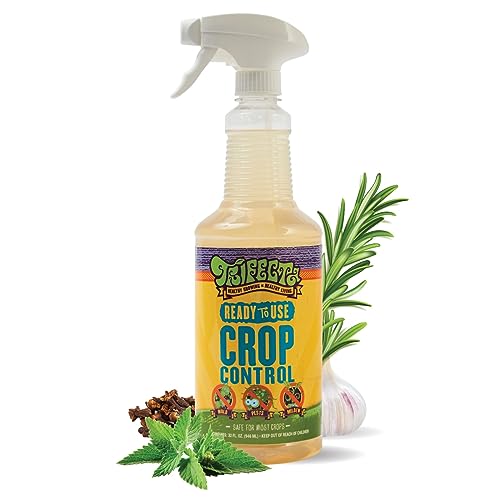
Product overview: This plant-based formula serves as a pesticide, fungicide, and miticide with broad efficacy against pests like spider mites, powdery mildew, and Botrytis. It is designed for use on edibles and emphasizes an eco-friendly profile with minimal residue.
Who it’s best for: Organic gardeners seeking a natural, plant-derived solution for both pests and diseases in vegetables and ornamentals. Suitable for homes, gardens, and small-scale greenhouses.
Why selected: It offers a natural, 3-in-1 approach without chemical residues, aiding sustainable practices. Apply as directed for best results, and be mindful of intervals after rain to maintain protection.
Caution: Some users may require more frequent applications to maintain control, especially under heavy pest pressure or humid conditions.
Earth’s Ally 3-in-1 Plant Spray

Product overview: Earth’s Ally combines insecticidal, miticidal, and fungicidal action with essential oils for a 3-in-1 solution. It’s suitable for indoor and outdoor use on vegetables, fruit trees, and ornamentals, offering residual repellency and broad disease control.
Who it’s best for: Gardeners looking for a plant-safe approach using essential oils and a multi-purpose spray. Ideal for those who want a gentle, natural solution with ongoing protection.
Why selected: The essential oil blend provides a non-synthetic option that’s compatible with organic programs. It may require more frequent application than synthetic products, especially after rain.
Caution: Some users may experience varying results depending on plant species and weather; test first on sensitive crops to avoid phytotoxic reactions.
Garden Safe Fungicide 3 Ready-to-Use

Product overview: This 32-ounce ready-to-use spray is designed for organic gardening around vegetables, flowers, and fruiting plants. It combines fungicidal action with insecticidal and miticidal properties to prevent fungal attack and deter pests.
Who it’s best for: Gardeners who want a simple, single bottle for prevention and control of fungal diseases while also addressing some insect and mite issues.
Why selected: The three-in-one design helps simplify application logistics for veg gardeners. Follow label directions to avoid over-application on sensitive crops.
Caution: As with many neem oil-based products, weather and plant sensitivity can influence performance. Test on a small area if using on delicate varieties.
Garden Safe Fungicide3 with Neem Oil Extract

Product overview: This 3-in-1 product includes neem oil extract as the active component, providing fungicidal, insecticidal, and miticidal action. It targets black spot, rust, powdery mildew, and other common diseases while addressing pests.
Who it’s best for: Gardeners seeking a neem-enhanced formula to manage diseases and pests in one bottle. Particularly useful in mixed plantings where pests and fungi co-occur.
Why selected: Neem oil helps support organic principles with a natural mode of action. Use as part of a rotation plan to prevent resistance and ensure consistent protection.
Caution: Neem oil-based products can burn tender leaves in bright sun; apply in cooler parts of the day and test first on sensitive crops.
ARBER Organic Insecticide & Fungicide (16 oz)

Product overview: A plant-safe concentrate designed for indoor/outdoor use, focusing on powdery mildew, spider mites, aphids, whiteflies, and other pests. It’s suitable for vegetables, lawns, and ornamental plants, offering actionable protection against disease and pests.
Who it’s best for: Gardeners who prefer a concentrate that can be diluted for various spray needs and used across multiple plant types, including vegetables and lawns.
Why selected: It emphasizes a bio-based approach, promoting healthy foliage and growth with a focus on pests and diseases that commonly affect vegetable crops. Caution regarding concentration and application method helps prevent overuse.
Buying Guide: Key Considerations for Organic Fungicides in Vegetable Gardens
- Active ingredients and organic status: Look for products explicitly labeled for organic gardening to ensure compliance with organic standards and harvest safety.
- Target diseases and pests: Match the product to the diseases (powdery mildew, black spot, blight) and pests (mites, aphids, whiteflies) most common in your area and crops.
- Mode of action: Consider whether you need a preventive spray, a curative treatment, or a focal solution for multiple issues (insects plus fungi).
- Crop safety and plant compatibility: Some substances can cause phytotoxicity on sensitive vegetables in hot or sunny conditions; always test on a small area first.
- Application timing: Some products tolerate applications up to harvest, others require pre-harvest intervals; plan applications around harvest windows.
- Coverage and residue: Choose formulations that provide thorough coverage on leaf surfaces and soil contact where applicable, with minimal residue concerns for edible crops.
- Compatibility with integrated pest management (IPM): Favor products that support beneficial insects and reduce resistance risk when used as part of rotation plans.
Frequently Asked Questions
- What is an organic fungicide, and is it safe for vegetables? An organic fungicide is formulated with ingredients approved for organic farming. It is intended to control fungal diseases while minimizing synthetic chemical use, and it’s generally considered safe for edible crops when used per label directions.
- When should I apply an organic fungicide in my vegetable garden? Apply at the first sign of disease or on a preventive schedule suited to your crop and local conditions. Always follow the product’s label for timing and harvest intervals.
- Can I use multiple organic products together? Some products can be rotated to prevent resistance, but not all combinations are compatible. Check label directions and consider testing on a small area first.
- Do organic fungicides affect beneficial insects? Many plant-based and mineral formulations are designed to minimize impact on beneficial insects, but some products may still affect them. Apply during times when beneficials are less active and rotate products as needed.
- Are these products safe for all vegetables? Most are suitable for common vegetables, but always review the label for crop-specific guidance and any plant sensitivity notes.
- How should I store organic fungicides? Store in a cool, dry place away from direct sunlight, and keep containers tightly closed to preserve effectiveness and safety.