Best Organic Non-Gmo Strawberry Seeds for Home Gardens
Direct answer: For growing organic, non-GMO strawberries at home, these five seeds offer a mix of hardy, flavorful varieties with good germination and broad growing conditions. The top picks include Alpine strawberries for ground cover, Akihime for premium sweetness, perennial options for ongoing harvests, extra‑large fruit varieties, and a high‑volume seed pack ideal for diverse planting. Each selection targets common buyer needs such as flavor, ease of care, and space efficiency. The following table summarizes essential details to compare at a glance.
| Product | Brand | Best For | Notes |
|---|---|---|---|
| 250PCS Alpine Strawberry Fast Growing Wild Strawberry Seeds | BULBORIUM | Ground cover and cool-season growing | Hardy Fragaria Vesca; ideal for spring/fall sowing |
| Cream Strawberry Seeds (Akihime) | Wivolibe | Premium fresh-eating, creamy flavor | High sugar-to-acid ratio; creamy aroma |
| All Season Strawberry Seeds (2500 Pack) | YONKEMO | Perennial production in multiple seasons | Early spring or autumn sowing; sun exposure needed |
| Rare Strawberry Seeds (Non-GMO Heirloom) | Wily Fox | Extra big, juicy fruit with open-pollinated heritage | Versatile growing space; tall fruit potential |
| 2200+ Strawberry Seeds (Non-GMO) | Wivolibe | High-volume planting and diverse patches | Fall & spring planting; emphasis on healthy, organic growth |
Alpine Strawberry Fast Growing Seeds By BULBORIUM
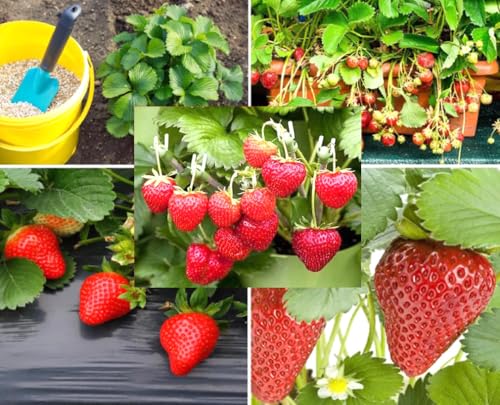
Best for: Gardeners seeking a hardy ground-cover option that doubles as a decorative, low-maintenance strawberry bed. The Fragaria Vesca variety is noted for vigor and resilience in cooler climates. This is a cool-season perennial that thrives in spring and fall, making it a reliable choice for regions with distinct seasons. The seeds are suitable for use as a ground cover around beds or along borders, providing edible fruit in a compact footprint.
Why selected: This option emphasizes hardiness and a strong growth habit, which helps new gardeners establish a productive patch with less fuss. The low-growing habit can reduce weed pressure when grown as a living mulch. Caution: As a ground-covering type, yields may be lower per plant compared to larger-fruit varieties, and growth can be spread across a broad area.
Cream Strawberry Seeds (Akihime) By Wivolibe

Best for: Home cooks and fruit lovers who want a premium, sweet, creamy-flavored strawberry right from home gardens. Akihime is celebrated for its high sugar-to-acid ratio, delivering a distinctly creamy and honey-like aroma that elevates fresh eating and desserts. The fruit texture is tender and melts in the mouth, making it ideal for immediate consumption rather than long-distance shipping.
Why selected: The Akihime profile emphasizes flavor and aroma, offering a gourmet experience in a home garden. Limitation: The softer flesh and delicate handling mean care and harvest timing matter more to preserve the premium texture. Consider growing in containers or protected beds to minimize handling damage.
All Season Strawberry Seeds By YONKEMO

Best for: Gardeners wanting year‑round potential in a perennial herbaceous plant. These seeds are positioned for long-term harvest with strategic sowing in early spring or autumn. Sunlight is crucial; plan for 6–8 hours per day to maximize fruit production and plant vigor.
Why selected: The perennial growth cycle supports ongoing production with careful pruning of runners. Caution: Perennial strategies require winter protection in colder zones to maintain root health across seasons.
Rare Strawberry Seeds (Non-GMO Heirloom) By Wily Fox

Best for: Gardeners seeking extra‑large, juicy fruit with heirloom, open-pollinated genetics. This non-GMO seed set targets big berries and versatile growing spaces, including pots, raised beds, or balcony planters. The heirloom nature adds flavor authenticity and gives options for seed saving.
Why selected: The emphasis on large, flavorful berries provides a distinct culinary advantage. Limitation: Open-pollinated varieties can exhibit more variability in fruit size and flavor from year to year, so consistent care is important.
Strawberry Seeds Pack (2200+), Wivolibe

Best for: Gardeners who want a cost-efficient, high-volume seed option to establish multiple plantings across beds or containers. The seed count supports broader experiments with spacing, microclimates, and staggered sowing for extended harvest windows.
Why selected: A high seed count enables flexible garden planning and redundancy in germination. Caution: With such large quantities, ensure proper labeling and organization to avoid overcrowding and competition among seedlings.
Buying Guide
What makes a strawberry seed “organic” and “non-GMO”?
Organic seed implies cultivation and handling under organic standards, avoiding synthetic chemicals. Non-GMO means the seeds are not genetically modified. Look for seed packets labeled as Organic and Non-GMO to match expectations for natural gardening with fewer synthetic additives.
Which variety fits my garden space?
Choose Alpine or ground-cover types for small spaces or borders. For containers and patios, compact varieties like Akihime or extra‑large options that tolerate pots work well. If you want ongoing harvest across seasons, select perennials and varieties suited to your climate.
What sunlight and soil considerations matter?
Strawberries typically require full sun (6–8 hours daily) and well-drained soil rich in organic matter. Amend soil with compost and ensure good drainage to prevent root rot. In shadier spots, expect lighter yields and slower growth.
How to maximize germination and plant health?
Soak seeds briefly before planting to enhance germination. Provide consistent moisture, protect young seedlings from extreme heat, and trim excessive runners in some varieties to focus energy on fruiting. For perennials, plan winter protection in colder zones.
Space and planting strategies
Use raised beds, fabric planters, or containers to manage space and avoid soil-borne diseases. Consider trellising for vining types and ground-cover varieties to minimize weed competition while maintaining easy access for maintenance and harvest.
Maintenance and harvest expectations
Expect a first-season establishment period for many seeds, followed by fruiting in subsequent seasons. Regular watering, mulching to retain moisture, and proper pruning help sustain productive patches. For best flavor, harvest at peak ripeness and handle berries gently to avoid bruising.
Frequently Asked Questions
- Do organic non-GMO strawberry seeds require special starting conditions? Yes, use rich, well-draining soil, maintain steady moisture, and provide ample sunlight for best germination and growth.
- Can I grow multiple strawberry varieties together? Yes, but space them appropriately and monitor for differing maturation times to maximize harvest windows.
- Are Alpine strawberries good for beginners? They can be, especially as ground-cover options, but expect variability in fruit size compared to larger-fruited types.
- Will seeds from heirloom varieties produce consistent fruit? Open-pollinated heirloom seeds may show some variability year to year, which can affect size and flavor.
- What’s the best way to store extra seeds? Keep seeds in a cool, dry place in an airtight container to preserve viability for future seasons.
- Do these seeds require special pest control? Use organic, preventive measures such as mulch, proper spacing, and natural barriers to reduce pests without synthetic sprays.