Best Organic Pest Control for a Thriving Vegetable Garden
Answering common questions about organic pest control for vegetable gardens, this guide highlights five effective options and who they’re best for. These products help manage insects, caterpillars, and fungal issues using natural or plant-based ingredients. Ideal buyers include home gardeners seeking chemical-free methods, urban gardeners with balcony setups, and small-farm enthusiasts aiming to protect crops without harming beneficial insects. The quick reference table below summarizes each pick for fast comparison.
| Product | Best For | Format | Main Benefit |
|---|---|---|---|
| BioAdvanced Vegetable and Garden Insect Spray | Vegetable and fruit crops | Concentrate spray | Broad-spectrum, contact insect killer |
| Captain Jack’s Bacillus Thuringiensis Bt Thuricide | Caterpillars and worm damage | Ready-to-use spray | Targeted caterpillar control, minimal broad impact |
| Mighty Mint Peppermint Oil Plant Protection | Houseplants and ornamental vegetables | Plant-based oil spray | Deterrent without harsh chemicals |
| Earth’s Ally 3-in-1 Plant Spray | Integrated pest & disease control | RTU spray | Insecticide, miticide and fungicide combo |
| Garden Safe Fungicide 3 | Prevention of fungal diseases | Ready-to-use | Fungicide and multi-purpose garden product |
BioAdvanced Vegetable And Garden Insect Spray

Brand: Bayer Advanced. This concentrated insecticide kills insects by contact, including aphids, caterpillars, thrips, tomato hornworms, whiteflies and more than 70 listed pests. It offers protection for fruit and vegetables when applied to plants until leaves are coated, but not dripping. Best for gardeners who want a broad, ready-to-protect option for a variety of crops and garden conditions. Caution: follow label directions to avoid over-application and protect beneficial insects in early bloom periods.
Captain Jack’s Bacillus Thuringiensis Bt Thuricide
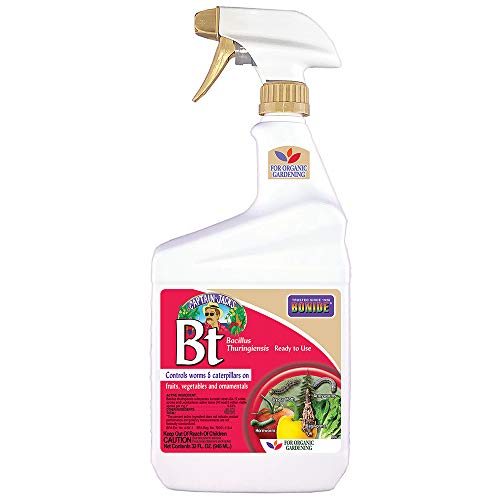
Brand: Bonide. This Bacillus thuringiensis (Bt) product targets caterpillars and worm-stage pests on a wide range of vegetables and fruits. It is ready to use and designed for use on broccoli, cauliflower, kale, eggplant, peppers, tomatoes and more, while posing low risk to birds, earthworms, and many beneficial insects. Best for organic gardens facing cabbage looper or hornworm pressure. Limitation: must be ingested by pests to work, so timing with feeding is important.
Mighty Mint Peppermint Oil Plant Protection Spray

Brand: Mighty Mint. This plant-based spray uses peppermint oil to deter common pests such as gnats, spider mites, and aphids while supporting healthier plants. It’s designed to be safe for use around people and pets when directions are followed. Best for gardeners who prefer a natural, aromatic deterrent and smaller, sensitive planting areas. Caution: essential oil concentration can affect some sensitive plants if misapplied.
Earth’s Ally 3-in-1 Plant Spray

Brand: Earth’s Ally. This 3-in-1 formulation acts as an insecticide, miticide and fungicide, using essential oil blends to kill and repel soft-bodied insects and plant diseases. It provides residual repellency and is suitable for indoor and outdoor use on fruit trees, vegetables, and ornamentals. Best for integrated pest management where multiple threats occur. Limitation: may require multiple applications for persistent issues.
Garden Safe Fungicide 3

Brand: Garden Safe. This 32 oz ready-to-use fungicide is designed for organic gardening and can be applied around roses, flowers, houseplants, fruits, and vegetables. It combines fungicidal action with insecticidal and miticidal capabilities in one product. Best for gardeners seeking a simple, multi-purpose spray to prevent black spot, rust and powdery mildew. Limitation: as a broad product, it may be less targeted than specific Bt-based approaches for caterpillars.
Buying Guide: Key Purchase Considerations
What should I consider when choosing organic pest control for a vegetable garden? First, identify the primary threats—caterpillars, aphids, mites, or fungi—and match products accordingly. Consider compatibility with edible crops, timing (pre- or post-infestation), and impact on beneficial insects. Some products act broadly, while others target specific pests. For balcony or container gardens, ensure the product label supports use in confined spaces. Always follow application directions and safety guidelines to protect pollinators and family members.
How do I choose between a plant-based oil spray and a Bt-based product?
Plant-based oil sprays deter or suffocate pests on contact and may also help with mites and some insects. Bt-based products specifically target caterpillars and worm-like pests after ingestion. Choose plant-based oils for deterrence and quick action against a broader pest set; choose Bt Thuricide if caterpillars are your primary concern and you want a targeted approach with minimal impact on non-target species.
Is a 3-in-1 spray better than separate products?
A 3-in-1 spray combines insecticide, miticide, and fungicide, which can save time and cover multiple threats. However, it may not be as effective as specialized formulations for certain pests or diseases. For diverse issues in a single season, a 3-in-1 can be convenient; for precise targeting, separate products can offer stronger efficacy.
How important is non-toxic handling near vegetables?
Non-toxic or low-toxicity handling is crucial when applied to edible crops. Look for products labeled for organic gardening and safe use around vegetables. Apply during appropriate weather and avoid harvest intervals if specified. Always wash produce after treatment where directions require.
How often should I reapply?
Reapplication frequency depends on product type, pest pressure, and weather. Bt-based products may require several days between applications, while contact insecticides may need more frequent use during peak pest activity. Follow label directions for timing to maximize effectiveness while minimizing impact on beneficial organisms.
What about protecting pollinators?
To protect pollinators, avoid spraying during peak bee activity hours and when plants are flowering. Some products specifically note lower impact on beneficial insects; prioritize those options when possible and apply to foliage rather than blooms when feasible.
FAQ
- Q: Are these pesticides safe for vegetables like tomatoes and peppers? A: Yes, when used according to label directions, many of these products are formulated for edible crops and aim to minimize residue on harvestable produce.
- Q: Can I use Bt Thuricide on cabbage worms? A: Yes, Bt Thuricide targets caterpillar pests such as cabbage worms when ingested by the insect.
- Q: Will peppermint oil deter all pests in my garden? A: Peppermint oil can deter several pests, but it may not control all insect species; use as part of an integrated approach.
- Q: Should I combine these products with soil amendments? A: Many organic pest controls are spray-based; consult product labels before mixing with soil treatments to avoid antagonistic effects.
- Q: Do these products require protective gear? A: Protective gear requirements vary by product; wear gloves and follow label recommendations to protect skin and eyes during application.