Best Organic Pesticide for Tomato Plants: Effective, Ready-to-Use Solutions
Direct answer: for organic tomato gardening, choose products that combine disease and pest control with safety for edible crops. The top picks below are selected for different needs—covering broad pest control, fungal disease prevention, and easy, ready-to-use formats. Best buyers include home gardeners focusing on tomatoes, those seeking OMRI-listed options, and readers who want garden-safe sprays with minimal handling.
Summary table of selected products
| Product | Best For | Main Benefit | OMRI/Organic |
|---|---|---|---|
| Bonide Captain Jack’s Tomato & Vegetable Spray | General pest and fungal disease control | Broad-spectrum, ready-to-use mix for pests and disease | No specified OMRI listing in product data |
| Bonide Neem Oil | Multi-stage pest management | Kills insects at all life stages; fungicidal action | |
| BioAdvanced Insect Control (Tomato, Veg & Fruit) | Contact insect control with disease protection | Spinosad-based, curative powdery mildew control | OMRI listed for organic gardening in some contexts (verify) |
| Trifecta Crop Control | All-natural pest and mildew control | Plant-based formula with broad pest coverage | Eco-friendly, plant-based; explicit organic usage in description |
| Earth’s Ally 3-in-1 Plant Spray | Soft-bodied pests and diseases | Botanical oil blend with residual repellency | Designed for organic gardening; botanical ingredients |
Bonide Captain Jack’s Tomato & Vegetable Spray

Best for: gardeners who want a ready-to-use option that tackles both insects and fungal diseases on tomatoes and vegetables. This product is designed to kill aphids, spider mites, thrips, caterpillars, and more, while also controlling diseases like black spot and powdery mildew. It’s suited for outdoor use on listed crops, including tomatoes, beans, cabbage, and roses. Use early in the season for best disease control.
Why selected: its dual-action formulation simplifies early-season protection, reducing the need for multiple sprays. It’s easy to apply and compatible with many home garden setups. Caution: as a broad-spectrum spray, it may affect beneficial insects if applied during peak pollinator activity.
Bonide Captain Jack’s Neem Oil

Best for: gardeners seeking a versatile, multi-purpose pest control solution that also helps combat fungal issues. Neem oil is a three-in-one option that acts as a fungicide, miticide, and insecticide. It’s ready to use and can be employed up to the day of harvest.
Why selected: kills multiple life stages of insects and provides preventive protection against some fungal infections. Limitation: efficacy can vary with environmental conditions and coverage; reapplication may be needed after heavy rain.
BioAdvanced Insect Control for Tomato, Veg & Fruit

Best for: readers who want a contact-action insect control with disease protection for edible crops. This spinosad-based formula targets aphids, caterpillars, mealybugs, spider mites, thrips, and other listed pests, while offering powdery mildew protection when applied early.
Why selected: strong coverage against common pests on tomato crops. Limitation: ensure organic certification context is appropriate, as OMRI listing varies by product batch and region.
Trifecta Crop Control
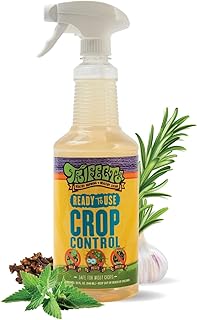
Best for: organic gardeners who want an all-natural, plant-based spray that targets insects and fungal lesions without harsh chemicals. The product claims to combat spider mites, powdery mildew, and Botrytis with a light touch on beneficial insects.
Why selected: easy-to-use, fast-drying formula designed for both indoor and outdoor use. Limitation: some plants may show a slower response to essential oil-based components; always test on a small area first.
Earth’s Ally 3-in-1 Plant Spray

Best for: gardeners seeking a botanical oil-based spray with residual repellency for indoor and outdoor plants. It targets soft-bodied pests like spider mites, aphids, whiteflies, and mealybugs while providing disease suppression through essential oils.
Why selected: suitable for organic gardening and easy to use as a daily care spray. Caution: essential oils can cause foliar sensitivity on tender plants; test a small area before full coverage.
Buying Guide: Key Considerations For Organic Tomato Pest Control
What to look for when choosing an organic spray for tomatoes. Consider pest types (insects vs. diseases), crop safety, and application needs. For home gardens, select products that offer both pest control and disease prevention to reduce spray frequency.
- Active ingredients: Plant-based oils, spinosad, neem oil, and botanical blends are common. Check for CO2-friendly, residue-free formulations where possible.
- Coverage and contact: Some products act on contact, others provide systemic or preventive protection. Choose based on the pest life stage you’re dealing with.
- Edible crop safety: Ensure the product is labeled for edible gardens and follows organic guidelines applicable in your area.
- Reuse and storage: Ready-to-use sprays simplify routines but may require more frequent applications after rain.
- Weather considerations: Some formulations work best in dry conditions; avoid application during high heat or direct sunlight when possible.
Frequently Asked Questions
- What is the best organic spray for tomato plants?
- Are these products safe for pollinators?
- Can I use these sprays on edible crops right before harvest?
- Do these products require mixing or can they be ready-to-use?
- What about organic certification?
- How often should I reapply?
The best option depends on pests and disease pressure. Neem oil and multi-action sprays like Captain Jack’s provide broad coverage, while specific products target powdery mildew or spider mites.
Most are designed to minimize impact on beneficials when used as directed. Avoid spraying during peak pollinator activity or on flowering plants unless specified.
Many are labeled for use up to the day of harvest, but always follow the label instructions for waiting periods and safety notes.
Several options are ready-to-use, while others require dilution. Follow label directions for proper application.
Some products are OMRI-listed or suitable for organic gardening; verify the current listing on the product with your certifier or retailer.
Reapply as directed on the label, typically every 7–14 days, more often after rain or heavy irrigation.