Best Organic Plant Food for Hydroponics: Top Nutrients for Indoor Systems
Growing hydroponic plants with organic nutrients can support robust vegetative growth, strong root systems, and vibrant yields. The following selections are tailored for hydroponic setups and emphasize organic formulations, micronutrients, and easy dosing. This guide compares products that suit indoor gardens, AeroGarden setups, and other hydroponic systems while prioritizing organic inputs and environmental safety.
Summary of chosen products:
- FoxFarm Grow Big Hydro Organic Liquid Fertilizer (1 Pint) — 3-2-6 with micronutrients
- Grow Queen Organic Liquid Indoor Plant Food — 5-5-5 with sea kelp
- Nature’s Way Soil Organic Hydroponic Fertilizer Concentrate (32 oz) — makes up to 512 gallons
- MARPHYL Plant Fertilizer — Marine Phytoplankton, organic and sustainable
- Farmer’s Secret Hydroponic Booster Fertilizer — 4-11-8, concentrated
FoxFarm Grow Big Hydro Organic Liquid Fertilizer

FoxFarm Grow Big Hydro Organic Liquid Fertilizer provides a nutrient-dense blend designed to amplify vegetative growth and blossom development in hydroponic systems. This 3-2-6 formula includes micronutrients and earthworm castings to improve foliage, root strength, and overall plant structure. The hydroponic-ready formula helps maintain pH stability and nutrient availability, reducing lock-up and ensuring steady uptake for robust greenery and improved flowering outcomes.
Grow Queen Organic Liquid Indoor Plant Food
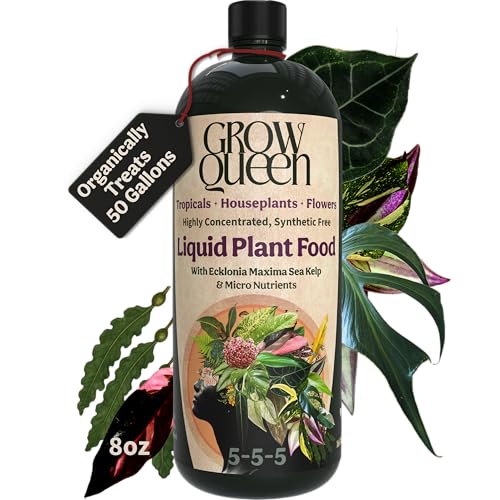
Grow Queen offers an organic 5-5-5 liquid fertilizer designed for indoor plants, including those in hydroponic systems. It feeds instantly, supports foliage and root vigor, and is formulated to minimize burn when used routinely. The product is designed to nourish soil microbes and improve nutrient uptake, aiming for steady growth and resilient indoor plant health without harsh synthetic additives.
Nature’s Way Soil Organic Hydroponic Fertilizer Concentrate
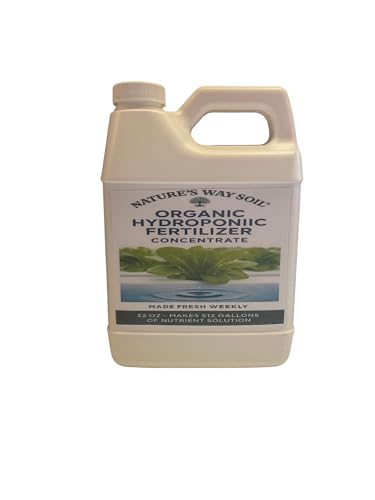
Nature’s Way Soil Organic Hydroponic Fertilizer Concentrate is a weekly-made organic concentrate that makes up to 512 gallons of nutrient solution. It is positioned for hydroponics and aquaponics, delivering organic inputs that support plant vitality, soil health, and water-friendly nutrient delivery. The concentrate approach provides a flexible feeding schedule while emphasizing organic content and environmental safety.
MARPHYL Plant Fertilizer
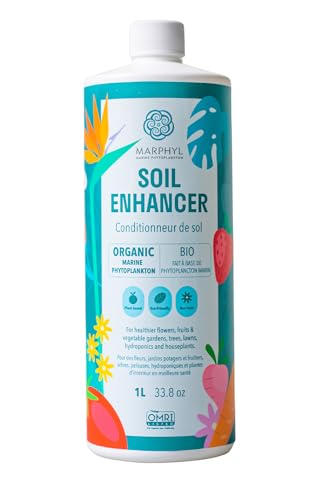
MARPHYL uses marine phytoplankton as a base, offering a natural liquid fertilizer enriched with vitamins, minerals, amino acids, and essential fatty acids. This organic input is designed to improve soil quality and feed indoor and outdoor plants, including hydroponic systems. The product supports a diverse range of crops, promotes healthy foliage, and contributes to resilient growth through living nutrients and phytochemicals.
Farmer’s Secret Hydroponic Booster Fertilizer

Farmer’s Secret Hydroponic Booster Fertilizer features a concentrated 4-11-8 formula designed for use across various hydroponic and aeroponic systems. The product emphasizes high potassium and phosphorus for flowering and fruiting stages while offering practical weekly feeding guidance. It is intended to maximize yield potential while supporting plant health during multiple growth phases.
Buying Guide: Key Purchase Considerations
- Organic certification and inputs: Look for products labeled as organic or designed with organic ingredients to align with hydroponic goals and safety considerations.
- NPK balance and micronutrients: Different formulas (e.g., 3-2-6, 5-5-5, 4-11-8) support distinct growth stages. Consider your crop type and growth phase to select appropriate nutrient ratios.
- Hydroponic compatibility: Ensure the fertilizer is formulated for hydroponic systems or is easy to adapt for reservoir use and pH stability to prevent nutrient lock-up.
- Application ease and dosing: Some products offer ready-to-use liquids, while concentrates require dilution. Choose based on your maintenance routine and reservoir capacity.
- Soil-friendly vs. soil-free: While designed for hydroponics, some products also support soil or soilless mixes. Match the product to your growing medium.
- Impact on microbes and environment: Organic inputs may support beneficial microbes and eco-friendly practices, influencing long-term plant health and sustainability.
- Cost efficiency: Evaluate feeding frequency and total volume to determine cost per gallon of nutrient solution and overall value.