Best Organic Seeds for Sprouting at Home for Fresh, Healthy Greens
Growing your own sprouts and microgreens is a simple, space-saving way to add nutrient-dense greens to meals. This guide highlights top organic, non-GMO sprouting seed kits perfect for indoor setups, apartments, or small kitchens. Each selection focuses on high germination, USA-grown or certified organic seeds, and varieties that deliver crisp texture and robust flavor in under a week. Whether you want a mixed salad blend, broccoli sprouts, or protein-packed seeds, these options provide reliable results for beginners and seasoned sprouters alike.
| Product | Brand | Highlights |
|---|---|---|
| Fresh Salad Blend | Seedboy | Alfalfa, broccoli, radish, mung bean, lentil; 8 oz; makes up to 8 quarts |
| Broccoli Sprouts | Nature Jims Sprouts | Certified organic; swift-growing; rich in sulforaphane; 8 oz |
| Protein Blend | Seedboy | Garbanzo, mung bean, adzuki, green pea; 8 oz; makes 2 quarts |
| Alfalfa Seeds | Nature Jims Sprouts | Non-GMO; 16 oz; easy home sprouts |
| Broccoli Sprout Seeds | Sereniseed | 8 oz; non-GMO; organic; open-pollinated |
Seedboy Organic Fresh Salad Blend Sprouting Seeds

Seedboy’s Fresh Salad Blend combines alfalfa, broccoli, radish, mung bean, and lentil seeds. These USA-grown Organic seeds offer a quick path to crunchy, nutrient-rich greens suitable for smoothies, sandwiches, salads, or garnishes. The mix is designed for jar sprouting or shallow trays, delivering high germination with a mild-to-crunchy flavor profile that appeals to a broad palate. The product is USDA Organic certified by OTCO and rigorously tested to ensure purity and safety in every harvest.
Nature Jims Sprouts Organic Broccoli Seeds For Sprouting

These certified organic broccoli sprout seeds are non-GMO and renowned for quick, nutrient-dense microgreens. Ideal for indoor or outdoor use, they deliver a fresh batch of broccoli sprouts in about five days. The seeds are grown and packaged in the USA, emphasizing quality control and high germination potential. Rich in sulforaphane and vitamins, they offer a healthful addition to salads and sandwiches without requiring extensive gardening space.
Seedboy Protein Blend Sprouting Seeds

The Protein Blend mixes garbanzo beans, mung beans, adzuki beans, and green peas to deliver a protein-rich sprout or microgreen harvest. This 8 oz pouch yields about 2 quarts and is designed for quick gratification in a jar or tray. As with other Seedboy offerings, the seeds are USDA Organic certified, tested for purity, and produced in the USA, ensuring safe, crunchy sprouts with every harvest.
Nature Jims Sprouts Alfalfa Seeds

Alfalfa seeds from Nature Jims Sprouts provide a nutrient-dense, fiber-rich sprout option. The kit is non-GMO and offered in a resealable bag, facilitating convenient home sprouting. The seeds are described as easy for beginners and suitable for indoor sprouting with simple instructions. The emphasis is on a clean, additive-free seed line to produce fresh alfalfa sprouts with a mild, versatile flavor that complements many dishes.
Organic Broccoli Sprout Seeds (Sereniseed)
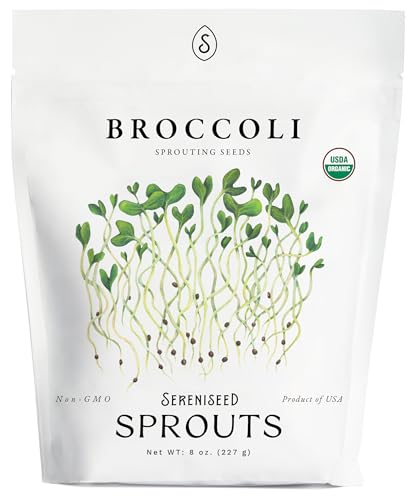
Sereniseed’s Organic Broccoli Sprout Seeds are non-GMO and open-pollinated, certified organic by Oregon Tilth, and tested for pathogens. The 8 oz pack offers a reliable source for broccoli sprouts with high germination potential. Broccoli sprouts bring a potent mix of antioxidants and vitamins, including sulforaphane, making them a popular choice for health-focused sprouters seeking quick turnover from seed to greens.
Buying Guide: Key Considerations For Sprouting Seeds
- Seed quality and Certification: Look for USDA Organic, OTCO certification, and non-GMO labels to ensure purity and safe growing conditions.
- Germination rates: Higher germination means more consistent harvests and less waste. Read product notes or reviews for expected performance.
- Flavor and texture: Mixed blends provide varied textures, while single-variety seeds offer consistent flavor profiles. Consider your meal plans and preferences.
- Growing environment: Most home sprouting works in jars or shallow trays. Check whether seeds are suitable for indoors, low light, or compact spaces.
- Seed mix composition: Salad blends focus on greens and mild flavors; protein blends emphasize legume seeds for crunch and nutrition. Choose according to dietary goals.
- Storage and shelf life: Keep seeds in a cool, dry place. Some vendors note climate-controlled storage to maintain germination rates.
- Safety and cleaning: Ensure seeds are produced and packaged in facilities that test for pathogens and maintain clean processing standards.
- Versatility: Some seeds are suitable for both sprouting in jars and growing microgreens in trays, expanding how you use them in meals.
- Price-to-yield ratio: Compare how many quarts or servings each 8 oz or 16 oz bag yields to determine value.
Sprouting at home offers a straightforward path to fresh greens with minimal equipment. By selecting seeds labeled organic and non-GMO, you reduce exposure to additives and pesticides while supporting sustainable farming practices. A mixed blend can diversify flavors, while single-seed kits are ideal for targeted nutrition like Broccoli or Alfalfa sprouts. Regardless of choice, these seeds provide practical options for urban homes, dorm rooms, or any compact kitchen seeking convenient, nutrient-dense produce.