Best Osteospermum Yellow With Purple Center: Top Cape Daisy Seeds for Your Garden
Looking for Osteospermum varieties that spotlight yellow blooms with purple centers? This guide highlights five top seed options that cater to different garden goals, from long-lasting cut flowers to low-water borders. Each pick is described with who it’s best for, what makes it stand out, and practical limitations to consider.
Buyer’s summary table
| Product | Best For | Why It Stands Out | Limitations |
|---|---|---|---|
| SVI 250 Cape Daisy Seeds | Container gardens and perennial-like annuals | Long bloom window, compact clumps, pollinator friendly | Annual in many zones; may need replanting yearly |
| Outsidepride Purple Osteospermum Seeds | Sunny borders; pollinator gardens | Versatile perennials in warm zones, drought-tolerant | Perennial behavior limited by frost in cooler climates |
| African Daisy Seeds – 50 Pcs Mix | Low-water gardens and long-season color | Hardy and low-maintenance; robust stems for bouquets | Zones 9–11 thrive; treat as annual elsewhere |
| 100PCS White Cape Daisy Flower Seeds | Bright white with purple centers accents | Very long blooming; easy top-dower coverage | Germination relies on light; surface sowing only |
| 300+ Mixed African Daisy Seeds | Colorful border plantings and mixed containers | Wide color range; drought-tolerant and versatile | Color variety may not emphasize yellow-purple center specifically |
SVI 250 Cape Daisy Seeds – African Daisy with Purple Eyes

- Long blooming flowers with white petals and deep purple centers; blooms early to late summer.
- Perennial plants reach 12–18 inches tall; suitable for gardens, borders, and containers.
- Compact clumping habit with 12–24 inch spread; ideal for mass plantings or small spaces.
- Pollinator-friendly blooms attract bees and butterflies, supporting a vibrant pollinator garden.
Best for gardeners who want a compact, long-blooming osteospermum that fits well in containers or border edges. A caution: this is typically grown as an annual in colder climates, so plan for replanting next season if you’re in a temperate region.
Outsidepride Purple Osteospermum Seeds – Drought-Tolerant Perennial Option

- Versatile beauty: Purple Osteospermum are Cape Daisies that flourish as perennials in zones 9–10 and as annuals in cooler climates.
- Pollinator-friendly: Attracts bees and butterflies, adding life to outdoor spaces.
- Delightful daily display: Daisies close at night and reopen with sunrise, offering a dynamic garden rhythm.
Best for sunny gardens in warm climates or as bright annuals in cooler zones. Choose this if you want resilient color with minimal maintenance; avoid if you need perennials in colder regions or want a strictly yellow-purple center focus—this selection emphasizes purple tones and overall daisies.’
African Daisy Seeds – 50 Pcs Mix

- Hardy perennials in zones 9–11; treat as annuals in cooler zones with winter protection.
- Thrives in hot, dry conditions; ideal for water-wise gardens and sunny slopes.
- Excellent for continuous color and bouquets with sturdy stems that hold petals in bloom for extended periods.
Best for xeriscape-style gardens or containers in warm climates seeking durable, low-water color. Limitation: may not overwinter as a perennial in cooler areas, which could increase replanting needs.
100 Pieces White Cape Daisy Flower Seeds
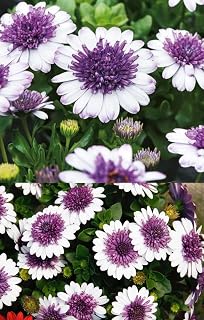
- White Cape Daisy with pure white petals and purple centers; long blooming for extended color.
- An annual that tolerates hot, dry conditions and benefits from deadheading to encourage new buds.
- Light-reliant germination: seeds should be spread on top of the soil for easy planting.
Best for bright, high-contrast garden spots where white petals highlight purple centers. Use caution: surface sowing is required for germination, which may demand light-tocused planting technique.
300+ Mixed African Daisy Seeds – Drought Tolerant

- Sowing tips: cover lightly with about 0.5 cm soil; keep soil moist but not overly wet; avoid extreme temperatures during sowing.
- Full sun required; after sprouts, regular watering with good drainage.
- Colorful variety including orange, yellow, pink, purple, and white; some varieties have dark centers.
Best for creating varied, colorful borders or mixed containers. If you specifically want yellow centers with purple accents, this mix may dilute that exact color pairing, so consider separate yellow-purple center selections for targeted effect.
Buying Guide
What to consider when choosing osteospermum seeds:
- Climate and growing zone: Some Osteospermum varieties act as perennials in warm zones and annuals elsewhere. Verify your USDA zone and winter protection plan.
- Color and bloom behavior: For a yellow center with purple accents, examine the seed packet’s notes or photos; not all mixes emphasize that exact color pairing.
- Water needs and soil: Drought-tolerant options are ideal for low-water gardens; ensure well-drained soil to avoid root problems.
- Bloom duration and vase life: Long-lasting blooms support extended color in landscapes and arrangements.
- Planting method: Some seeds benefit from light exposure for germination; others need top-sowing or gentle cover.
FAQ
- Q: Are Osteospermum seeds easy to grow from seed? A: Yes, most varieties germinate in warm soil; follow light-sowing or shallow covering guidance per seed type.
- Q: Will these seeds work in containers? A: Yes, many cultivars stay compact and thrive in containers with good drainage and sun.
- Q: Can these plants survive frost? A: In cooler zones, treat them as annuals; in zones 9–10, they may behave as perennials.
- Q: Do these seeds attract pollinators? A: Yes, many osteospermum blooms attract bees and butterflies, supporting pollinator gardens.
- Q: How should I care for them after germination? A: Provide full sun, regular watering during dry periods, and deadhead to prolong blooming.
- Q: Do all varieties have yellow centers? A: Not all blends emphasize yellow centers; check product photos or descriptions for the exact color focus.