Best Outdoor Anti-Slip Tiles for Safe Walkways and Decks
Outdoor anti-slip tiles help prevent slips on wet, slick surfaces while adding style to patios, decks, pool surrounds, and walkways. This guide highlights four top options, detailing who they’re best for and when to choose each. Ideal buyers include homeowners seeking durable, weather-ready tiles for year-round outdoor use, property managers needing quick-install solutions, and DIYers wanting tool-free installation. The summary below compares key points to aid quick decisions.
| Product | Brand | Best For | Why It Stands Out |
|---|---|---|---|
| Miracle Sealants 511 Anti-Slip Treatment | Miracle Sealants | Stone, tile, and grout surfaces | Enhances traction without altering appearance; great for existing floors |
| Goovilla Plastic Interlocking Deck Tiles | Goovilla | DIY patio renovations, all-weather decks | Easy snap installation; durable high-density plastic |
| Stone Grip Industrial Non-Slip Tile Treatment | Slip Doctors | Porous or natural stone floors | Fast-acting, broad surface compatibility |
| PrimeZone Plastic Interlocking Deck Tiles | PrimeZone | Versatile outdoor spaces | Sturdy interlocking system; easy DIY setup |
Miracle Sealants 511 Anti-Slip Treatment
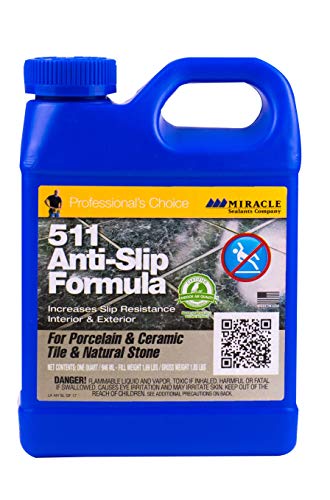
Best for refinishing existing stone, tile, or grout surfaces that require enhanced traction without noticeable surface change. The anti-slip formula works on interior and exterior granite, travertine, ceramic, marble, limestone, concrete, and more. It covers up to 750 square feet per quart, making it suitable for larger patios or pool decks. This is a solid choice for homeowners who want to improve safety on current floors rather than replacing tiles.
Who it’s best for: property owners with existing tile or stone that need better slip resistance without altering appearance. Why selected: broad compatibility and sizable coverage per quart provide economical traction improvement. Caution: results depend on existing surface porosity and proper application; pre-cleaning is essential for best results.
Goovilla Interlocking Deck Tiles, 9 Pack
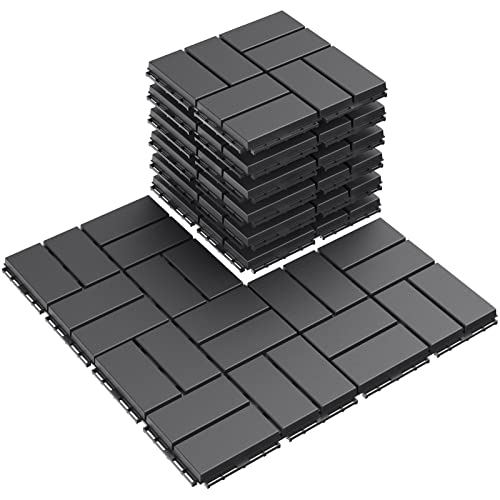
Best for quick, tool-free installation on patios, balconies, and pool areas. These 12″x12″ interlocking deck tiles are made of high-density plastic and are designed for all-weather use, including sun, rain, and snow. They feature an efficient drainage design with eight front flats and six back drains to reduce water pooling and improve traction. Choose these if you want a removable, low-maintenance surface that dries quickly after rain.
Who it’s best for: DIYers seeking an easy-to-install, all-weather option. Why selected: snap interlocking design allows fast setup and removal; drainage helps keep surfaces drier and safer. Caution: plastic tiles can feel less premium under heavy foot traffic versus stone, and may require periodic cleaning to maintain slip resistance.
Stone Grip Industrial Non-Slip Tile Treatment

Best for natural stone floors where porosity and texture vary. Stone Grip works on porcelain, ceramic, terrazzo, quarry, slate, travertine, unsealed concrete, honed marble, and granite. It creates slip-resistant surfaces in minutes without changing the floor’s appearance. Ideal for bathrooms, patios, pool surrounds, and staircases where safety is a priority. A quick neutralization step is required after application.
Who it’s best for: facilities and homeowners with diverse stone surfaces needing rapid traction. Why selected: broad tile and stone compatibility and fast activation. Caution: ensure compatibility with unsealed surfaces and plan for neutralization and cleaning as directed.
PrimeZone Interlocking Deck Tiles, 12″ x 12″

Best for modular outdoor spaces that require customization. PrimeZone interlocking deck tiles are made from high-hardness PP plastic, offering stability and good load capacity while resisting cracking and deformation. The snap interlocking design enables quick installation and disassembly without tools. Suitable for patios, balconies, pool decks, and pathways that may need on-site modifications or reconfigurations.
Who it’s best for: homeowners and businesses wanting flexible, durable outdoor flooring. Why selected: strong interlocking system and weather resistance outperform some wooden alternatives. Caution: plastic tiles may heat up in direct sun; provide shade or choose lighter colors to minimize heat absorption.
Buying Guide
Key considerations when choosing outdoor anti-slip tiles or treatments:
- Surface compatibility: match products to your substrate (stone, ceramic, concrete, or porous surfaces).
- Wet-area performance: prioritize products that specify outdoor, poolside, or high-traction results.
- Installation method: choose DIY-friendly interlocking tiles for easy setup or surface treatments for existing floors.
- Durability and weather exposure: consider resistance to sun, rain, snow, and temperature changes.
- Maintenance requirements: look for easy cleaning and minimal upkeep to sustain slip resistance.
- Coverage and cost efficiency: calculate square footage and choose products with favorable coverage per unit or per quart.
FAQ
What type of surface can Anti-Slip Treatments work on?
Most work on natural stone, ceramic, porcelain, grout, and concrete, but always confirm compatibility with the product you choose.
Are interlocking deck tiles suitable for pool areas?
Yes, many are designed for outdoor use around pools, with drainage features to reduce standing water.
Do anti-slip tiles require maintenance?
Most options require routine cleaning; some treatments may need reapplication after cleaning or wear.
Can I install interlocking tiles over existing concrete?
Yes, interlocking tiles are commonly installed over flat, clean concrete or other flat surfaces.
Which option is best for stone floors with variable porosity?
Stone Grip-style treatments are designed for broad compatibility across multiple stone types and porosities.