Best Outdoor Greenhouse for Winter Growing
Seasonal weather can challenge outdoor gardening, but a well-chosen greenhouse extends the growing window, protects delicate plants from frost, and supports healthier yields. This guide highlights five top outdoor greenhouses suited for winter conditions, balancing setup ease, durability, airflow, and space. Each option below is evaluated on how it performs in cold, wet, or windy environments, plus practical notes for placement and use during colder months.
| Product | Brand | Approx. Size | Key Winter Feature |
|---|---|---|---|
| Eagle Peak 8×6 Pop-Up Greenhouse | EAGLE PEAK | 8 x 6 ft | Easy one-person setup; sturdy steel-ceiling frame; zippered doors and mesh windows |
| Ohuhu Greenhouse For Outdoors | Ohuhu | 57 x 57 x 76 in | Zippered roll-up door with two screen windows; reinforced frame; 12 shelves |
| 6×4FT Greenhouse For Outdoors | WUKHG | 4 x 6 ft | Aluminum frame with polycarbonate panels; UV resistant; adjustable ventilation |
| KOKSRY Mini Greenhouse | KOKSRY | 56 x 30 x 76 in | All-season design; eco-friendly PE cover; frost protection and pest resistance |
| Flamaker Walk-In Greenhouse | Flamaker | 10 x 6.6 ft | Heavy-duty PE cover; roll-up zipper door; multiple ventilation panels |
Below are five detailed product sections to help compare these winter-ready greenhouses. Each entry summarizes the main features and how they support winter gardening goals, from setup ease to weather resistance and interior versatility.
Eagle Peak 8×6 Pop-Up Greenhouse

The Eagle Peak 8×6 pop-up greenhouse emphasizes fast, tool-free setup. The pre-assembled frame makes assembly possible for a single person, saving time during late-fall or early-winter transitions. Its steel-ceiling roof adds rigidity, helping the structure withstand moderate wind and snow loads better than lighter-duty frames. With an 8×6 walk-in interior, growers gain space to move, water, prune, and monitor plants without constant repositioning. The zippered doors and mesh windows support controlled airflow, essential when humidity spikes in colder months. The design accommodates shelving (ASIN B08ZJ8H558) for organized plant placement and tools.
Winter-focused use cases include starting seeds indoors near a sunny wall or extending outdoor crops like greens, herbs, and cold-tolerant vegetables. The included strong frame and weather-resistant cover help reduce heat loss during nights, while the roll-up doors enable easy access for daily care. While not insulated, layering with seasonally appropriate coverings or shade cloth can further tailor light and warmth. For reliability, consider staking or securing the base to the ground in snow-prone areas.
Ohuhu Greenhouse For Outdoors With Screen Windows

The Ohuhu greenhouse is a larger, walk-in design with 57 by 57 by 76 inches of interior space, ideal for winter seed trays, potted perennials, and small crops. It features a zippered roll-up door and two screen side windows, which helps regulate airflow while maintaining warmth during chilly days. The frame uses heavy-duty, rust-resistant tubes, and the structure supports up to 22 pounds per shelf with twelve wired shelves arranged on both sides. This combination creates substantial interior storage for trays, pots, and growth lights, which can be crucial for winter-to-spring transitions.
In winter conditions, consistent air movement reduces humidity buildup that can lead to mold or plant disease. The two screen windows provide safe ventilation during milder sunny days, while the roll-up door allows quick temperature adjustments. The design is robust enough to tolerate seasonal winds and rain, provided it is anchored and protected from heavy snow. For gardeners seeking maximum growing space with accessible maintenance, this Ohuhu model offers a practical balance of size, airflow, and durability.
6×4FT Greenhouse For Outdoors

The WUKHG 6×4 greenhouse uses an aluminum alloy frame paired with polycarbonate panels, creating a solid winter-ready enclosure. The 4mm thick twin-wall polycarbonate panels balance light diffusion with insulation, helping to reduce daytime heat loss and protect crops from harsh weather. The design emphasizes UV resistance to protect plants from sun damage during clear winter days. Adjustable ventilation windows and a lockable door give winter growers control over airflow and security, enabling better microclimates for seedlings or overwintering crops when temperatures dip and winds rise.
Overall, this model suits gardeners who want a robust, lightweight frame with clear panels that still feel accessible for frequent maintenance. When installing in snow-prone regions, ensure a sturdy base, appropriate anchoring, and periodic snow removal to prevent snow buildup on the roof. The modular nature of this greenhouse makes it adaptable to small yards, balconies, or patios where space is at a premium but year-round growing remains a goal.
KOKSRY Mini Greenhouse
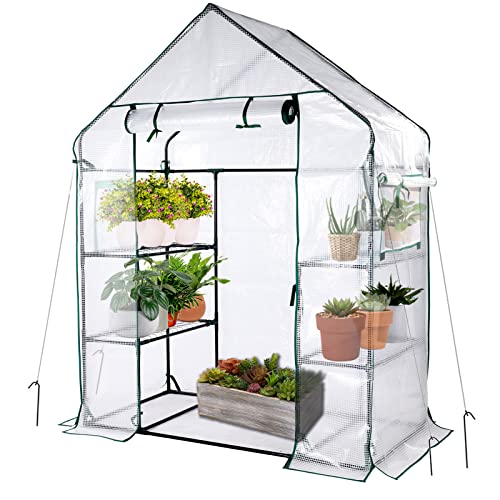
The KOKSRY mini greenhouse emphasizes portability and all-season use, with dimensions around 56x30x76 inches. The design targets frost protection while allowing propagation and starting seeds. Its eco-friendly PE cover provides a balance of heat retention and light transmission, helping to maintain stable conditions without heavy insulation. The structure accommodates seed trays and potted plants and is suitable for balconies, patios, or small garden beds where winter light is available but protection from cold is needed.
For winter use, the portability and compact footprint allow flexible positioning near sunlit windows or under protective shade cloth as needed. It is a practical choice for gardeners who want a compact solution that can be moved between microclimates (sunny spots and wind-sheltered nooks) to optimize warmth and moisture. The cover’s UV and weather resistance enhances durability over multiple seasons, though its size makes it less suited for large-volume winter crops.
Flamaker Walk-In Greenhouse

The Flamaker walk-in greenhouse pairs a large 10×6.6 ft footprint with a heavy-duty PE cover to provide substantial winter space for vegetables, flowers, and other crops. The design includes a roll-up zipper door and multiple ventilation panels to support airflow control in colder conditions. Its substantial size is well-suited for growing larger crops or housing more trays and pots, making it a practical option for hobbyists and small-scale operations. The cover is designed to block UV rays while delivering warmth and humidity control through the ventilation system.
Winter-specific considerations include occasional snow loads; Flamaker recommends removing water and snow promptly to prevent roof strain. Anchoring to the ground and using ground stakes can improve stability in windy conditions. This model is ideal for gardeners seeking a sizable, durable, weather-resilient habitat that still offers straightforward access and adjustable ventilation for winter care and spring transitions.
Buying Guide
Size And Footprint
Assess available outdoor space and plan for a comfortable interior working area. Walk-in designs offer easier plant handling and wider shelves, while compact mini greenhouses fit balconies or patios. For winter crops requiring airflow and space for seed trays, aim for a footprint that accommodates growth and a central walking path without crowding nearby structures or decking.
Materials And Insulation
Choose frame materials that balance weight, durability, and rust resistance. Aluminum frames resist corrosion and are lighter, while steel frames are typically sturdier but heavier. Covers range from heavy-duty PE to polycarbonate panels; polycarbonate provides better temperature stabilization and light diffusion, whereas PE is usually more economical and flexible for larger, open layouts. Consider UV treatment to protect cover material and reduce degradation from winter sun.
Durability And Weather Resistance
Winter environments demand structural stability. Look for reinforced frames, secure anchoring, and weather-resistant seams. Snow-load tolerance, wind resistance, and the ease of snow removal from the roof are practical considerations. Ground stakes or anchors help prevent shifting in gusty conditions, while double-stitched or reinforced seams improve longevity in wet weather.
Ventilation And Climate Control
Effective ventilation is essential to prevent excessive humidity and fungal growth. Some models offer roll-up doors with screen windows, while others include adjustable vents. In winter, balance ventilation to retain warmth while allowing moisture to escape. Consider accessories like shade cloth, thermal blankets, or supplemental heat sources for more consistent temperatures inside during cold nights.
Setup, Portability, And Accessibility
Pop-up and snap-fit designs offer rapid setup, often by a single person, which is beneficial during autumn transitions. Fully assembled frames require a bit more time but tend to be more robust. If you anticipate moving the greenhouse seasonally, prioritize a portable model with a lighter frame and fewer rigid joints. Accessibility features such as wide doors, clear paths, and interior shelving compatibility also influence daily use and plant management.
Shelving, Organization, And Accessories
Integrated or compatible shelving increases planting density and organization, a key factor for winter seed starting and microgreen production. Confirm weight capacities per shelf and total storage. Accessories like anchor kits, vent kits, or additional shade options can expand a greenhouse’s utility, especially where winter sunlight varies by latitude or season.
Budget, Value, And Warranty
Prices vary by size, frame material, and cover type. Evaluate the value of features such as ease of setup, durability, and airflow control against cost. A longer warranty often reflects confidence in build quality and can reduce long-term maintenance costs. For winter use, prioritize models that combine stability, insulation potential, and practical accessibility.