Best Parking Grid for Grass: Durable Ground Grids for Lawn Parking
Answer: For parking on grass, use interlocking ground grids that distribute weight, protect turf, and prevent rutting. The top picks below include 5 robust options suited for varying loads and installation needs. This guide helps choose between heavy-duty plastic grids, modular mats, and geocell systems based on load, climate, and site shape. Each product is best for a different scenario—driveways, temporary parking, or lawn-to-lawn transitions.
| Product | Best For | Key Benefit |
|---|---|---|
| Yard Saver FGLLI01874-5PK | Homes with light to moderate vehicle traffic | Five-pack, easy-to-cut sections |
| TRUEGRID PRO Plus | Heavy vehicles and long-term installations | High load capacity, 100% permeable |
| Wesnoy Ground Grids | Temporary parking, quick setup | Modular mats, strong load support |
| Standartpark EasyPave | Eco-friendly driveways and sheds bases | 100% recycled, solid load class |
| VEVOR Ground Grid | Flexible DIY projects and varying terrains | 3-inch depth, cuttable HDPE |
Yard Saver FGLLI01874-5PK Drive-On Lawn Grid
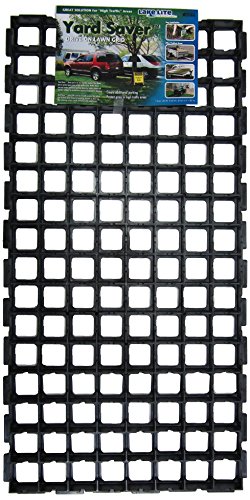
Best for homeowners who want an easy-to-install path or parking lane on a lawn without major disruption. This pack of five sections lets you customize a route or area, and its drive-on design minimizes turf damage when vehicles traverse the surface. The modular sections improve adaptability for irregular yard layouts. This option is more suitable for light to moderate personal vehicle use compared to commercial-grade grids.
Who it’s best for: Homeowners seeking a simple, lawn-safe solution for occasional parking or a small drive path. Why selected: Simple installation, grass-friendly design, and the ability to create a custom layout without heavy groundwork. Caution: May require additional edging or stabilization in slopes or soils with high erosion tendency.
Gravel Grid 2” Depth With Metal Stakes by SJPULMO

Best for projects needing stable ground under gravel, with built-in stakes for slope control. This kit expands to a long footprint and includes stakes, staples, and snaps for tidy installation. The double-stacked 2″ depth cells help resist shifting under heavier loads and erosion, making it a solid option for longer driveways or parking areas with gravel fill.
Who it’s best for: Property owners planning gravel parking or driveways with slopes. Why selected: Durable low-profile grid, included stakes for stability, and strong erosion resistance. Caution: Heavier installation process than purely interlocking mats; may require more hands-on setup.
TRUEGRID PRO Plus Permeable Pavers
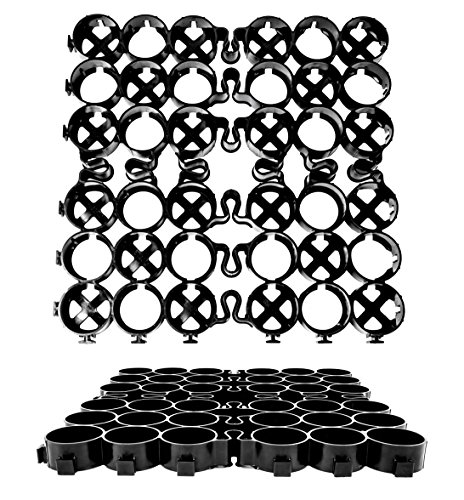
Best for high-traffic areas and commercial-grade installations that require extreme load tolerance. The PRO PLUS pavers are designed to handle 250,000+ pounds with a robust compression strength and a patented flex joint system. They are made in the USA from recycled HDPE and are fully permeable, promoting drainage and minimizing pooling after rain.
Who it’s best for: Businesses or property owners needing maximum durability and long-term performance. Why selected: Superior load capacity, weather resilience, and sustainable manufacturing. Caution: Higher upfront cost and installation complexity compared to basic grid products.
Wesnoy 10 Pcs Ground Protection Mats

Best for temporary parking or projects needing quick, modular setup. Each mat bears about 3 tons (6,613 lb), and a combination of 10 can support larger vehicles. The design protects grass by dispersing pressure and enabling grass to recover after use. The modular approach makes it easy to create a custom parking area or a temporary event space.
Who it’s best for: Homeowners or event organizers needing fast deployment with substantial load support. Why selected: High load tolerance, easy assembly/disassembly, and lawn protection. Caution: May require careful alignment to prevent gaps between mats on uneven ground.
GRITSPIKE Gravel Grid Geocell Ground Grid

Best for long-lasting ground stabilization that supports vehicles and heavy foot traffic while maintaining drainage. The geocell design enhances load distribution with an open-cell construction that improves drainage and reduces mud. It’s suited for driveways, parking pads, slopes, and animal areas where soil stability matters.
Who it’s best for: Projects requiring reliable drainage and durable ground support. Why selected: Strong interlocking design with good erosion control. Caution: Slightly higher installation planning required to ensure seamless connections across larger areas.
Standartpark EasyPave Grass & Gravel Driveway Grid

Best for eco-friendly driveways and shed bases with a strong emphasis on recycled materials. The EasyPave system uses 100% recycled plastic and offers up to 80,000 lbs load class depending on base fill. The 2″ depth units provide stable, permeable support for gravel parking grids and driveways, with a straightforward layout for multiple project sizes.
Who it’s best for: Eco-conscious buyers seeking durability and easier installation. Why selected: Recycled construction, heavy-load potential, and versatile application. Caution: Base preparation remains important to maximize performance on soft soils.
VEVOR Ground Grid 25 ft x 9.5 ft

Best for flexible DIY layouts across varying terrains. This 3-inch-deep ground grid provides robust support for light vehicles and foot traffic, with cuttable HDPE allowing custom sizing. Its three-dimensional honeycomb structure helps distribute loads and promote drainage, reducing surface runoff on grass or gravel beds.
Who it’s best for: DIY enthusiasts needing adjustable, scalable grid systems. Why selected: High adaptability, good drainage, and strong load-bearing capability. Caution: Requires precise planning to achieve the best performance on uneven ground.
Buying Guide
What to consider when choosing parking grids for grass:
- Load capacity: Match grid strength to expected vehicles. Home use typically needs lower loads than industrial sites.
- Drainage: Permeable designs prevent water pooling and turf damage after rain.
- Installation complexity: Modular mats are quicker for DIY projects; geocells may need more planning but offer strong stabilization.
- Soil and slope: Sloped or soft soils benefit from stake systems or deeper grids to prevent movement.
- Materials and sustainability: Recycled plastics reduce environmental impact and are common among premium options.
- Expansion and customization: Interlocking sections enable custom shapes to fit irregular lawns and drive paths.
Practical comparison tips
- For casual parking: Yard Saver or Wesnoy provide quick setup and lawn protection.
- For long-term, heavy traffic: TRUEGRID PRO Plus offers high load tolerance and durable performance.
- For eco-conscious projects: Standartpark EasyPave uses recycled materials and balances durability with ease of installation.
- For slopes or uneven ground: Gravel grids with stakes (SJPULMO) improve stability and reduce shifting.
FAQ
- What is a parking grid for grass? An interlocking system that distributes vehicle weight, protects turf, and creates a stable surface for parking or driveways on lawn areas.
- Which grid is best for heavy vehicles? Heavy-load grids like TRUEGRID PRO Plus provide the highest load tolerance for trucks or multiple vehicles.
- Do these grids affect grass health? Permeable grids reduce soil saturation and allow grass to recover between uses when properly installed.
- Are geocell grids better than modular mats? Geocell grids offer strong stabilization for slopes and soft ground, while modular mats are faster to install for flat lawns.
- Do I need professional installation? Most residential setups can be DIY with modular grids, but slopes or large areas may benefit from professional guidance.
- Can I reuse the grids after removal? Yes, many grids are designed to be disassembled and reused in other projects.