Best Pea Gravel for Drainage: Top Picks for Landscaping, Containers, and More
Pea gravel is a versatile drainage solution for gardens, pathways, planters, and decorative touches. This article reviews five well-suited options for American yards and homes, highlighting size, use cases, and safety features. Each product is chosen for reliability, pea-sized consistency, and suitability for drainage, irrigation, and soil protection. Read on to compare benefits and find the right gravel for your project.
| Product | Brand | Size / Weight | Use Case |
|---|---|---|---|
| 40 LBS Grey Pea Gravel | MIGHTY109 | ~3/8 in; 1/4 in | Drainage, pathways, landscaping |
| GreatBuddy 10-lb Pebbles | GreatBuddy | ~3/8 in | Indoor plants, terrariums, vases, aquariums |
| GASPRO Drainage Pebbles | GASPRO | ~1/5 in | Indoor plants, drainage, aquarium substrate |
| Generic All Purpose Pea Gravel 50 lb | Generic | Brown pea gravel | Landscaping, patios, ponds, paths |
| FANTIAN 10 lbs Colorful Pebbles | FANTIAN | ~3/8 in | Decorative plant beds, decor, crafts |
Grey Pea Gravel For Drainage

This grey pea gravel from MIGHTY109 is a versatile option suitable for landscape decoration, drainage, and creating outdoor flooring. The size range includes roughly 3/8 inch and 1/4 inch stones, making it adaptable for plant beds, around trees and shrubs, and for walkways and driveways. The natural tone blends well with many garden palettes. Its multi-use design supports both aesthetic and functional drainage needs, reducing soil compaction and improving water infiltration.
GreatBuddy Pebbles For Indoor Plants
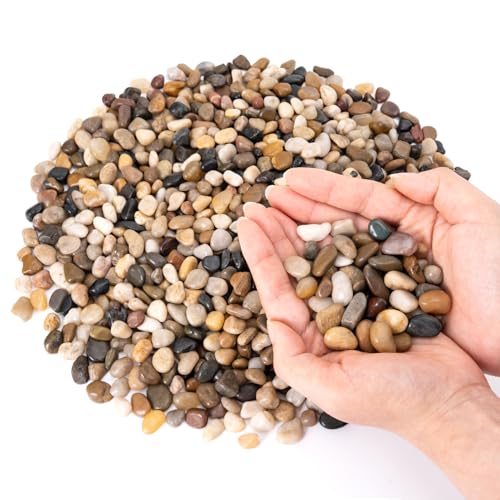
GreatBuddy’s 10-pound bag offers pea gravel sized around 3/8 inches, ideal for indoor plant use, vases, terrariums, and small aquariums. The stones are polished and waxed to enhance color and shine, free from fillers, dyes, or oils. They act as soil mulch to preserve moisture while ensuring safe contact with plants and animals. This option emphasizes aesthetic appeal and plant-friendly moisture management for container gardens and decorative setups.
GASPRO Drainage Pebbles

GASPRO offers about 1/5 inch small rocks designed for drainage in indoor plants, terrariums, and small pots. They are dye-free and safe for cultivation, and the package notes suitability for aquarium use as well. Before first use, wash thoroughly to remove dust. They support improved drainage and air circulation, helping retain soil moisture without causing erosion—an excellent choice for cacti, succulents, and other drought-tolerant plantings.
Generic All Purpose Pea Gravel Brown

Generic’s 50-pound bag provides all-purpose pea gravel suitable for a wide range of landscapes, including patios, tree wells, walks, ponds, and aquariums. The brown hue pairs well with natural stone and soil tones, offering a robust base for drainage layers beneath plant beds and beneath stepping stones. The product is positioned as a durable, economical option for larger projects requiring steady particle size and reliable drainage performance.
FANTIAN Colorful Pebbles 10 Lbs

FANTIAN’s 10-pound bag features colorful 3/8 inch pebbles in colors including white, red, yellow, gray, and apple green. The gravel is natural with no polish or coatings, non-toxic and safe around pets and children. Ideal for decorative accents in planters, vases, bowls, or terrariums, these stones also suit outdoor landscaping, bird fountains, and soil toppers for flower beds. The color variety adds visual interest to mixed planting schemes or creative crafts.
Buying Guide: Key Purchase Considerations For Pea Gravel
- Size and consistency: Most drainage-focused pea gravels hover around 1/5 to 3/8 inch. Choose finer sizes for indoor pots or terrariums and slightly larger sizes for pathways or ground cover.
- Color and aesthetics: Neutral grays and browns blend with most landscapes, while colorful gravels add decorative appeal. Consider long-term color stability and potential fading from sunlight.
- Purity and safety: Look for stones without fillers, dyes, or oils. If using near plants and pets, ensure non-toxic materials and avoid coatings that could alter soil pH.
- Usage context: Indoor plant decor favors polished pebbles; outdoor applications benefit from slightly rougher textures for traction and drainage.
- Environmental impact: Recycled packaging and reusable containers are a plus. Also consider the source country and eco-friendly production practices.
- Maintenance: In outdoor settings, periodic raking can redistribute stones and maintain an even drainage layer; in pots, ensure adequate depth to avoid overcrowding roots.
- Volume planning: For large areas, bags may be bulky. Calculate square footage and desired depth to estimate total bag count accurately.
Multi-Perspective Considerations
- Drainage performance: Pea gravel improves infiltration and reduces soil compaction, but it should not be the sole drainage medium in heavy soils. Pair with proper underlayment and base material where needed.
- Soil moisture management: In potted plants, a layer of gravel can help maintain moisture balance, yet be mindful of pot size and plant water needs to avoid root rot.
- Durability and longevity: Outdoor gravels resist weathering; however, seasonal washing by rain and irrigation can alter appearance. Replenishment or redistribution may be required over time.
- Safety considerations: Ensure gravel color and surface texture are suitable for walkways to reduce slip risks, especially in wet conditions.
- Disposal and reuse: Natural pea gravels are reusable; consider reusing stones in future projects rather than discarding.
Choosing the right pea gravel for drainage hinges on size, application, and environmental considerations. The options above span decorative to utilitarian uses, enabling you to tailor a solution that improves drainage, enhances aesthetics, and fits your maintenance preferences. Always confirm product details and ensure compatibility with your specific landscaping or container setup.