Best Pebbles and Stones for Landscaping
Answer: For curb appeal and durable garden features, choose natural river rocks in mixed colors and sizes that suit your space. These five products are well-suited for pathways, planter beds, water features, and decorative focal points. They offer varying sizes, color ranges, and price points to fit different landscaping goals. This guide helps buyers pick the right stone for both aesthetics and practicality.
| Product | ||
|---|---|---|
| FANTIAN 20 lbs Natural River Rocks (2-3″) | 2-3 inches | Small to mid-sized beds, edging, decorative accents |
| FANTIAN 20 lbs Large River Rocks (3-4″) | 3-4 inches | mid-to-large landscape features, rock gardens, heavy-duty pathways |
| GASPRO 15-lb Natural River Rocks (1-1.75″) | 1-1.75 inches | Indoor planters, terrariums, small projects, edging with softer texture |
| Pulovin 15 lbs White Rocks (1-2″) | 1-2 inches | Bright pot displays, white substrate for moisture retention visuals |
| Mulctun 45LB White Rocks (1/4″-3/4″) | 1/4-3/4 inches | pot soils, micro path accents, terrarium backgrounds, aquarium use |
FANTIAN 20 lbs Natural River Rocks (2-3″)
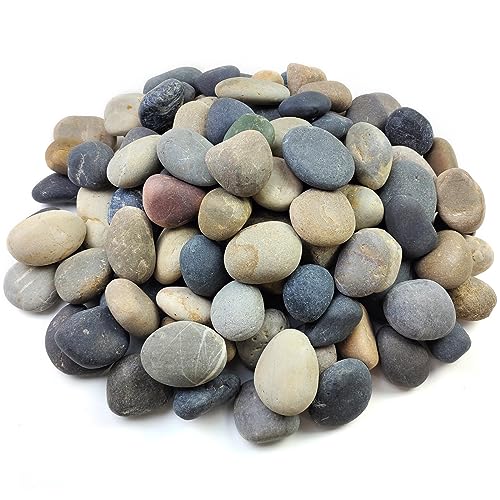
Best for small to mid-sized decorative beds and walkways. These 2-3 inch mixed-color river rocks are clean, smooth, and unpolished with no added fillers or dyes. They are non-toxic and reusable, with colors that vary between dry and wet states for added visual interest. Suitable for outdoor landscaping and garden accents. A caution: rocks are heavy, so prepare proper shipping and handling expectations and avoid overloading thin soil areas.
FANTIAN 20 lbs Large River Rocks (3-4″)

Best for prominent landscape features, rock gardens, and larger pathways. The 3-4 inch stones provide bold texture and visual contrast in yard beds and outdoor spaces. They are natural, non-toxic, and maintain color with time. Dry and wet conditions reveal different hues for dynamic displays. Limitation: heavier weight means higher transport considerations and soil displacement risk if not installed properly.
GASPRO 15-lb Natural River Rocks (1-1.75″)
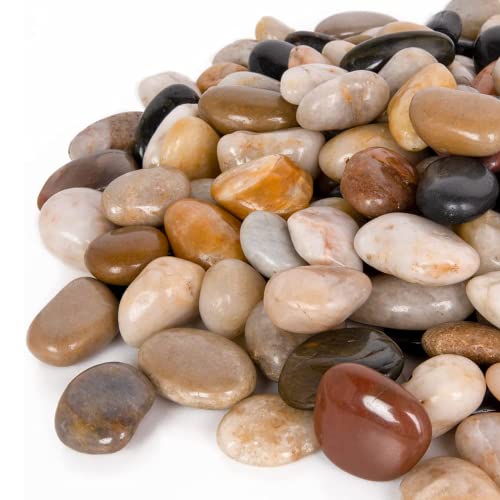
Best for versatile indoor/outdoor decor, planters, and small aquariums. These polished stones measure 1-1.75 inches and offer a bright, polished surface for high-contrast arrangements. They resist fading and are suitable for mixed color displays. Caution: smaller size may be less visible in large landscapes and can be mistaken for decorative gravel in bigger spaces.
Pulovin 15 lbs White Rocks (1-2″)

Best for bright accents in plant pots and light-colored walkways. The 1-2 inch white stones offer a clean, modern look that enhances soil moisture visibility and plant contrast. They are polished for smooth edges to minimize glare and sharp corners. Limitation: white stones can show dirt more readily, requiring occasional cleaning to maintain a pristine appearance.
Mulctun 45LB White Rocks (1/4″-3/4″)

Best for small decorative applications, terrariums, and indoor plant displays. The 1/4-3/4 inch white pebbles provide a refined backdrop that enhances soil moisture cues and plant color. They are polished to reduce sharpness and improve handling. Limitation: smaller size may require deeper soil coverage to achieve stable displays in windy or high-traffic areas.
Buying Guide
What size should you choose? For edging and crisp borders, 2-3 inch stones give clear, visible lines. For full-featured paths or rock gardens, 3-4 inch stones create focal texture. For container gardens or terrariums, smaller 1-2 inch stones work well without overwhelming plants.
What color and finish suit your space? Mixed colors offer natural variety and camouflage soil patches. Polished or lightly polished stones provide a glossy or smooth feel, while unpolished stones deliver a rugged, natural look. Consider climate and maintenance when selecting light-colored stones to avoid showing dirt excessively.
How much coverage do you need? Compare the weight and quantity to estimate how many bags or loads you’ll require. Heavier rocks cover more area per bag but may require stronger installation support and drainage planning. Lighter stones are easier to spread but may need more material for even coverage.
Where will you place them? Outdoor beds, pathways, water features, and decorative corners each have different requirements. Heavier stones are great for durable pathways and stabilizing slopes, while smaller stones fit planter tops and indoor displays. Always prepare proper drainage and consider weed suppression when designing beds.
Are there safety considerations? Some stones are small and smooth; avoid using very small pieces near playgrounds or under children’s feet. If using around aquariums or terrariums, ensure the stones are non-toxic and do not affect water chemistry. Always handle heavy rocks with care to prevent injury.
Frequently Asked Questions
What size of rocks is best for garden walkways?
Use mid-sized rocks, typically 2-3 inches, for walkways to provide stable footing and visible texture without being sharp.
Are these rocks safe for outdoor use with pets?
Most stones shown are non-toxic and suitable for outdoor use. Check individual product notes for any cautions about small children or pets.
Can I mix colors and sizes in a single bed?
Yes. Mixing colors and sizes can create natural visual interest and help with gradual transitions between features.
Do white rocks require more cleaning?
White rocks can show dirt more readily, so periodic cleaning helps maintain a bright appearance.
Do these stones affect soil drainage?
Rocks generally improve surface drainage and prevent soil compaction when used as topdressing or along borders; ensure proper base layering for stability.
Are these stones suitable for aquariums?
Polished and natural stones can be used in aquariums and terrariums if they are non-toxic and appropriately cleaned before use.