Best Perennial Yellow Butterfly Bush Plants for Colorful Summers
Find vibrant, drought-tolerant perennials that attract butterflies with bright yellow blooms. This guide highlights five top picks that perform well in American gardens, from butterfly-friendly milkweeds to hardy Buddleias and coreopsis. Each plant is described with best-use cases, care notes, and practical cautions to help you choose confidently. This selection targets gardeners seeking long-lasting color, wildlife appeal, and relatively easy maintenance for sunny yards.
Comparison Table
| Product | Best For | Key Benefit | Growth Zone Range |
|---|---|---|---|
| Butterfly Weed Flower – Perennial Garden Flower Root | Pollinator gardens | Yearly perennial with bright blooms | Not specified |
| 2 Yellow Milkweed Plants Live Butterfly Asclepias Tuberosa | Wildlife corridors | Hardy, varied color potential | Zones 3-9 |
| Perfect Plants Nanho Butterfly Shrub | Formal borders | Purple spring blooms, attracts pollinators | Zones 5-9 |
| Easy to Grow Buddleia Butterfly Bush Bicolor | Hedge or accent | Fragrant, summer color | Zones 5-9 |
| Live Coreopsis – Yellow | Mass plantings | Bright yellow, daisylike blooms | Not specified |
Butterfly Weed Flower – Perennial Garden Flower Root

Product: Butterfly Weed Flower, a perennial known for bright blooms that attract butterflies. The listing notes a No. 1 Premium bulb size and a mature height of 18″ to 36″. This plant is described as a perennial that returns year after year, making it a reliable choice for long-term color in sunny borders.
Who it’s best for: Gardeners seeking a reliable, low-maintenance perennial that supports local pollinators in sun-drenched beds.
Why selected: Its perennial nature and compact height suit cottage gardens or pollinator borders while offering easy care.
Cautions: Specific soil and moisture conditions aren’t detailed; confirm your site matches full sun and well-drained soil for best results.
2 Yellow Milkweed Plants Live Butterfly Asclepias Tuberosa

Product: Two yellow milkweed plants, described as a perennial bush suitable for attracting butterflies. The listing notes zones 3-9, cold hardiness, and color variation across species, with flowers in pink, orange, red, or white depending on the species. Easy to grow in full sun with well-drained soil.
Who it’s best for: Gardeners aiming to establish a butterfly-friendly patch with flexible climate tolerance.
Why selected: Milkweed is a key nectar source and host plant for butterflies, supporting biodiversity.
Cautions: Flower color varies by species; verify the expected bloom color and that your site aligns with full sun and good drainage.
Perfect Plants Nanho Butterfly Shrub 1 Gallon

Product: Nanho Butterfly Shrub, a one-gallon live plant noted for attracting butterflies, bees, and hummingbirds. Blooms are described as gorgeous purple flowers in spring, with hardy performance in zones 5-9 and drought tolerance once established.
Who it’s best for: Landscapes needing a compact butterfly-attracting shrub with seasonal color in temperate climates.
Why selected: Its pollinator appeal and drought tolerance make it a practical choice for sun-drenched borders.
Cautions: Height and spread can vary; ensure adequate space for growth and proper seasonal pruning.
Easy to Grow Buddleia Butterfly Bush Bicolor

Product: Buddleia Butterfly Bush in a quart pot, named Bicolor. It’s a perennial suitable for Zones 5-9, with full to partial sun and room to spread. Mature plants reach 5-6 feet tall and wide with moderate watering, especially while blooming.
Who it’s best for: Gardeners seeking a tall, fragrant, two-tone flowering shrub to anchor a sunny border or hedge.
Why selected: Its fragrance and dramatic bicolor blooms add visual impact and insect appeal.
Cautions: Height and bloom timing can vary; plan space accordingly and avoid overly crowded plantings.
Random Butterfly Bush Live Shrub Plant Shrub
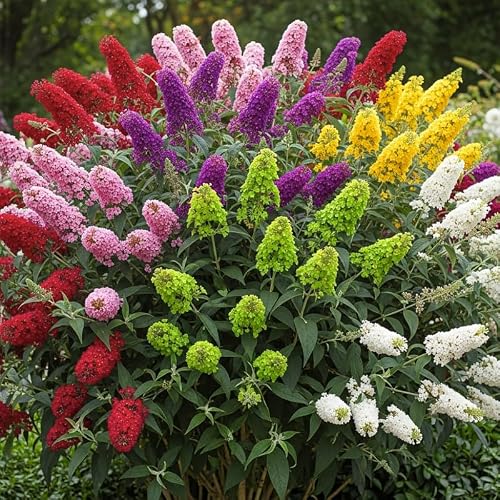
Product: Butterfly Bush shrub commonly known for attracting butterflies. It’s a deciduous shrub suited for full sun, with fragrance and vibrant long clusters of flowers in colors like purple, pink, white, or yellow. Zones 5-9 are mentioned, with adaptability to sunny borders and hedges.
Who it’s best for: Those wanting a classic butterfly-attracting shrub with flexibility in landscaping styles.
Why selected: Adds height, scent, and pollinator support to mixed borders or privacy hedges.
Cautions: Flower colors vary by cultivar; confirm bloom color before planting if color uniformity is important.
Easy to Grow Buddleia Butterfly Bush Buzz Hot Raspberry
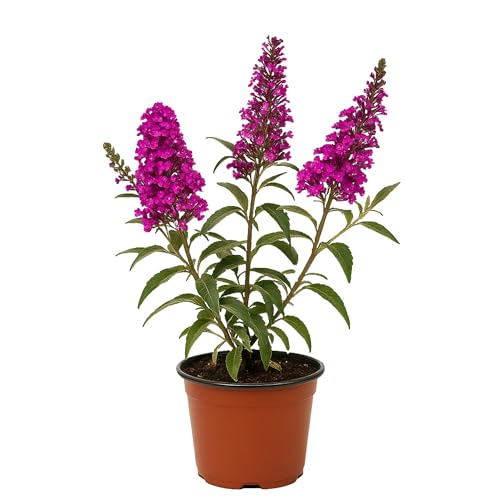
Product: Buddleia Butterfly Bush ‘Buzz Hot Raspberry’ in a quart pot. It’s listed as perennial in Zones 5-9 and typically grows 2-3 feet tall and wide. Requires full to partial sun with moderate watering, especially during bloom periods.
Who it’s best for: Compact, heat-tolerant addition for small gardens or containers with vibrant raspberry tones.
Why selected: Provides a striking color accent in sunny spaces and supports pollinators during summer.
Cautions: Plant height and bloom timing may vary; ensure ample sun and drainage for best results.
Buying Guide
What to consider before buying
- Sunlight: Most yellow butterfly-blooming perennials prefer full sun for best bloom. Check each plant’s tolerance for partial sun.
- Soil and drainage: Ensure well-drained soil; many perennials dislike soggy roots, especially in rainy regions.
- Hardiness zones: Verify zone compatibility (most selections here target Zones 5-9 but others tolerate a wider range).
- Size and spacing: Plan for mature height and width to avoid crowding and to maximize pollinator access.
- Bloom time: Some varieties bloom in spring, others through summer. Consider staggered bloom windows for continuous color.
- Maintenance: Drought tolerance, pruning needs, and fertilization requirements vary. Factor in your gardening routine.
How to plant and care tips
- Plant in sunny locations with well-drained soil. Water deeply after planting and mulch to retain moisture.
- Water during extended dry spells, but avoid overwatering. Drought-tolerant varieties benefit from infrequent deep watering.
- Pruning: Prune perennials after bloom to maintain shape and encourage rebloom in some Buddleias.
- Fertilization: Use balanced fertilizer sparingly; over-fertilizing can reduce flowering in some species.
Combination ideas
- Pair butterfly shrubs with coreopsis for bright yellow daisies and long bloom periods.
- Use milkweed as a butterfly host plant near flowering perennials to support lifecycle diversity.
- Plant in mixed borders with drought-tolerant grasses for texture and movement.
FAQ
- What is the best perennial yellow plant for attracting butterflies? A versatile option is the Buddleia (butterfly bush) and coreopsis, both known for attracting a variety of pollinators.
- Can these plants tolerate hot summers? Yes, many selections are drought-tolerant and perform well in hot, sunny climates once established.
- Do these plants require special soil? Most prefer well-drained soil; amend poor drainage to prevent root rot.
- Are yellow butterfly bushes compatible with containers? Some compact varieties can grow in larger containers with adequate sun and watering.
- When should I prune Buddleia? Prune after blooming to encourage new growth and maintain shape; timing varies by cultivar.
- Are all milkweeds suitable for every zone? We listed a Zone 3-9 option; confirm your zone and local climate before planting.