Best Pest Killer for Plants: Effective Options for Indoor and Outdoor Growers
When choosing a pest killer for plants, look for products that target common houseplant and garden pests without harming the plants themselves. This guide highlights five practical options for different setups, from indoor houseplants to outdoor beds. Ideal buyers include: indoor plant owners dealing with gnats or aphids, hobby gardeners seeking plant-safe solutions, and those needing ready-to-use sprays or systemic treatments.
Summary table of selected products
| Product | Best For | Main Benefit | |
|---|---|---|---|
| Bonide Systemic Houseplant Insect Control | Container plants and indoor setups | Systemic protection for up to 8 weeks | Granules require soil uptake; not active against all pests |
| Mighty Mint Peppermint Oil Plant Protection Spray | Plants sensitive to harsh chemicals | Plant-based, fragrance-deterrent formula | May require frequent reapplication |
| BioAdvanced Rose and Flower Insect Killer | Roses and flowering plants | Broad-spectrum contact kill and up to 14 days protection | Spray coverage needed to reach pests |
| Bayer Advanced Houseplant Insect and Mite Control | Indoor/outdoor houseplants and herbs | Controls insects and mites; fungicidal properties | Not all pests are listed for all uses |
| Sevin Insect Killer Ready to Use | Versatile garden pest control | Kills on contact across many pests | Broad-spectrum; may affect beneficial insects outdoors |
Bonide Systemic Houseplant Insect Control

Bonide’s Systemic Houseplant Insect Control uses a ready-to-use granule formula. It is absorbed through the roots and moves within the plant to protect against listed insects. Best for containerized indoor plants and some outdoor containers. Advantages include long-lasting protection (up to 8 weeks) and effectiveness against sap-feeding pests. A key limitation is that it targets those insects that feed on plant tissue; non-feeding pests won’t be impacted.
Who it’s best for: owners of potted houseplants needing a low-odor, long-duration defense. Why selected: practical systemic protection that reduces daily maintenance while covering several common pests such as mealybugs, aphids, and scale.
Caution: Ensure proper application around edible plants and follow label directions to avoid unintended systemic uptake in non-targets.
Mighty Mint Peppermint Oil Plant Protection Spray

Mighty Mint offers a plant-based pest protection spray featuring a peppermint oil formula. It helps deter pests like gnats, spider mites, and aphids while avoiding harsh chemical treatments. This option is particularly appealing for households seeking a natural approach and for those concerned about pet safety when used as directed. Caution: natural oils may degrade certain plant finishes or cause phytotoxicity if misused on sensitive species; always test on a small area first.
Who it’s best for: gardeners preferring plant-based, non-toxic pest control. Why selected: broad deterrent action against common indoor pests with easy, spray-on application.
Limitation: may require more frequent applications to sustain protection compared to systemic options.
Kate’s Home & Garden Plant Spray with 12 Sticky Traps

Kate’s Home & Garden bundles a plant spray with 12 gnat sticky traps, designed to attack fungus gnats, fruit flies, and related pests. The spray focuses on indoor plants and uses natural ingredients including peppermint and rosemary oils. Best for: indoor plant setups where gnats thrive and where you want to visually reduce adult populations with traps as a complementary measure. Caution: traps are essential for best results; if missing, replacement support is offered by the seller.
Why chosen: effective integrated solution for indoor pest management that combines spray efficacy with physical traps to interrupt the life cycle of pests.
Limitation: the product relies on comprehensive trap coverage for optimal results; gaps can reduce overall effectiveness.
BioAdvanced Rose And Flower Insect Killer
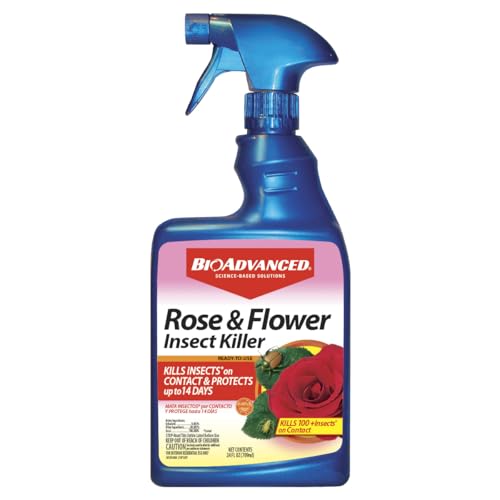
This ready-to-use spray targets roses and flowering plants, killing over 100 listed insects on contact and providing protection for up to 14 days. It’s a strong choice for garden beds and ornamental plants where blooms are a priority. Best for: outdoor flowering plants and rose bushes needing quick knockdown. Caution: spray coverage is essential; missed areas can harbor surviving pests.
Why selected: broad-spectrum efficacy with a reliable protection window for flowering plants, aiding ongoing bloom health and pest control strategies.
BioAdvanced Houseplant Insect And Mite Control Spray

This Bayer Advanced spray targets indoor and outdoor houseplants with broad pest and mite control. It combines insecticidal, miticidal, and fungicidal properties in one ready-to-use bottle. Best for: houseplant collections and mixed plant habitats that experience both insect and mite pressure and occasional fungal issues. Caution: effectiveness depends on thorough coverage of both the tops and undersides of leaves.
Sevin Insect Killer Dust
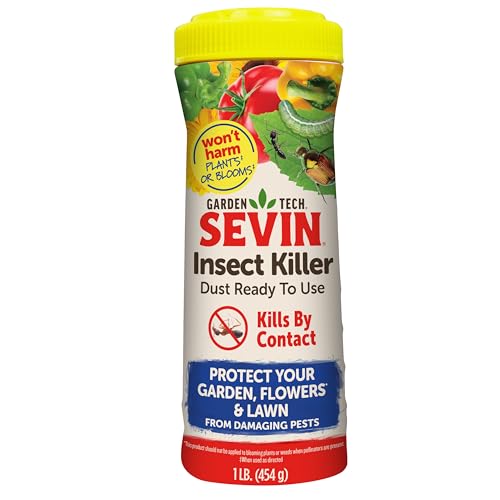
Sevin Insect Killer Dust provides a versatile dry application for outdoor use on flowers and lawns. It kills by contact and covers more than 150 listed insects. Best for: treating soil-adjacent or ground-level pest presence where dust applications can reach crawling pests. Caution: avoid broad exposure to beneficial insects and non-target organisms; use targeted spots to minimize impact.
BioAdvanced Organics Brand Houseplant Insect Killer
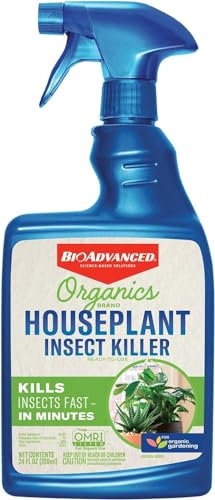
This OMRI-listed organic insect killer provides fast pest control for houseplants and gardens with added powdery mildew control. It’s suitable for indoor and outdoor use on a variety of plants. Best for: organic gardeners needing a compliant, ready-to-use spray that also addresses fungal issues. Caution: organic products may have slower knockdown on some pests and can require thorough coverage for effectiveness.
Buying Guide: Key Purchase Considerations
- Target pests: Identify whether you face aphids, gnats, mites, caterpillars, or whiteflies to choose the most effective product.
- Indoor vs outdoor use: Some formulas are optimized for indoor houseplants, while others are designed for gardens or outdoor beds.
- Mode of action: Systemic granules, contact sprays, and fungicidal/miticidal blends each have different application needs and durations.
- Safety profile: Plant-based or pet-safe options are preferable for homes with children, pets, or sensitive plants; always follow label directions.
- Duration and coverage: Consider how long protection lasts and how evenly the product covers plant surfaces or root zones.
- Application ease: Ready-to-use sprays and granules eliminate mixing steps, while some products require more thorough application steps.
FAQ
- What is the safest pest killer for indoor houseplants?
– Plant-based or OMRI-listed products with clear directions for indoor use are typically safest for interiors. - Can I use multiple different pest killers on the same plants?
– It’s best to avoid overlapping products; check compatibility and wait suggested intervals between applications to prevent phytotoxicity. - How long does protection last after applying a systemic granule?
– Systemic granules can provide protection for several weeks, often up to 8 weeks, depending on the product and plant uptake. - Will these products harm beneficial insects?
– Broad-spectrum products may affect beneficial insects outdoors; use targeted applications and follow label directions to minimize impact. - Should I combine traps with sprays for gnats?
– Combining traps with a spray can improve results by reducing adult populations and preventing larvae from thriving. - Are organic pest killers effective for flowering plants?
– Yes, many organic options work well on flowering plants, but they may require more frequent applications for consistent protection.