Best Pesticide for Thrips: Top Picks for Gardens and Indoor Plants
Thrips are tiny, winged insects that feed by puncturing plant tissues, leaving silvery streaks and deformed growth. They can spread viruses and reduce yields in greenhouses, balconies, and backyard beds. Controlling thrips effectively requires a strategy that balances efficacy with safety for people, beneficial insects, and the environment. This guide reviews five Amazon-ready products that target thrips and fit both conventional and organic gardening approaches. Each option focuses on direct thrips control or life-cycle disruption, with considerations for indoor and outdoor use, edible crops, and ease of application. A quick comparison table follows.
| Product | Brand | Thrips Focus |
|---|---|---|
| Safer 5118-6 Insect Killing Soap Concentrate | Safer | Contact kill; organic option |
| Marrone Bio Innovations CG Bioinsecticide | Marrone Bio Innovations | Broad-spectrum, plant-based pest control |
| The Environmental Factor NemaKnights Slow-Release Nematodes | The Environmental Factor | Biological nematodes; thrips |
| BioWorks EpiShield Miticide & Insecticide | COMMON CULTURE | Peppermint & clove oils; mites & thrips |
| Sierra Natural Science SNS-203 Pesticide Concentrate | Sierra Natural Science | Rosemary & clove extracts; thrips |
Safer Insect Killing Soap for Thrips
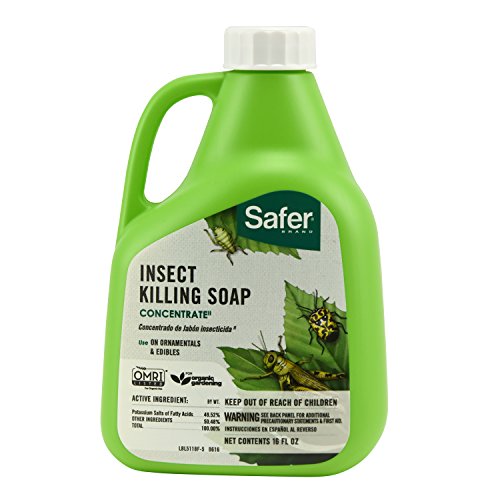
Safer 5118-6 Insect Killing Soap uses potassium salts of fatty acids to weaken the pest’s outer shell, killing thrips on contact. The solution is labeled for a broad range of soft-bodied insects, including aphids, mealybugs, whiteflies, leafhoppers, and spider mites, making it a versatile option for mixed pest pressure. It is designed to be gentle on many plants when used as directed, helping protect ornamentals and edibles alike.
Certified as OMRI Listed for organic use, the soap provides an organic-compliant route for thrips management in home gardens and organic setups. It can be applied on a variety of plant types, including flowers, herbs, vegetables, houseplants, lawns, trees, and shrubs. For best results, apply when thrips are active, cover the undersides of leaves, and avoid applying during stressed conditions or under direct sunlight to reduce leaf burn.
Marrone Bio Innovations CG Bioinsecticide
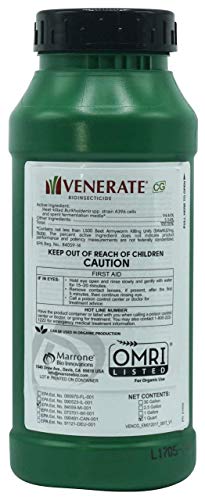
CG Bioinsecticide from Marrone Bio Innovations is an all-natural, plant-based formula designed to control a range of pests, including thrips, spider mites, aphids, and whiteflies on indoor and outdoor plants. The product is biodegradable and free of chemical residues, aligning with organic gardening goals. It is formulated to suffocate or disrupt soft-bodied pests while remaining gentle on beneficial insects and the environment, making it suitable for edible crops when used as directed.
As a fungicide and insecticide, CG Bioinsecticide provides broad coverage without relying on synthetic chemicals. The oil-based blend mixes easily with water and resists separation, ensuring uniform application. Its plant-safe profile supports regular use around vegetables, herbs, and ornamentals, while helping protect yields from thrips and related damage. Always follow label guidance for mixing ratios and re-application intervals to maintain effectiveness and crop safety.
NemaKnights Slow-Release Nematodes

The Environmental Factor’s NemaKnights Slow-Release Nematodes are a ready-to-use granular biological control that provides continuous protection against soil- and foliage-dwelling pests, including fungus gnats, thrips, and whiteflies. The slow-release formulation supports sustained activity across growing cycles, helping to reduce thrips populations with minimal handling. The product is non-toxic and environmentally friendly, targeting pests without harming beneficial insects, pets, or plants.
Shake-on application requires no mixing, and the product is suitable for use in pots, raised beds, and gardens. Each 280 g package treats up to 50 planters, offering a practical option for urban gardeners and small-scale greenhouses seeking a biological approach to thrips control. For success, apply according to the label’s timing guidelines and water as recommended to help nematodes reach their targets.
BioWorks EpiShield Miticide & Insecticide

EpiShield blends peppermint oil and clove oil into an effective miticide and insecticide that targets thrips, mites, and other pests. The formula is REI/PHI exempt, reducing waiting times for entry or harvest in agricultural and home settings. It provides knock-down action against mites and thrips and also helps control powdery mildew, contributing to a healthier plant canopy with regular use as directed.
As a natural, botanical option, EpiShield is designed to protect both indoor and outdoor crops without leaving harsh chemical residues. Weekly applications establish a pest-unfavorable environment for mites and thrips while remaining safe for most beneficial insects when used according to the label. This product suits ornamental plants, vegetables, and houseplants where quick suppression of thrips is needed.
Sierra Natural Science SNS-203 Pesticide Concentrate
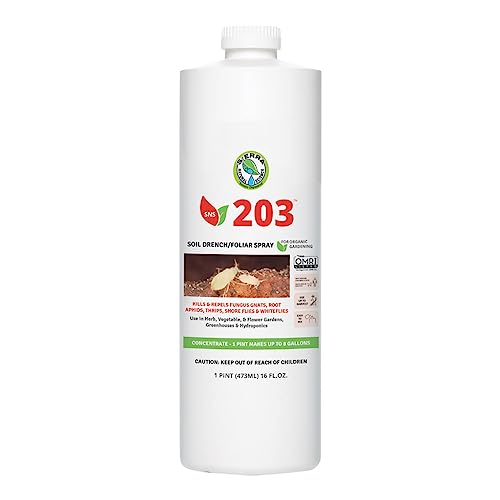
SNS-203 is a pesticide concentrate built from rosemary and clove botanical extracts that offers a natural approach to thrips control and suppression of other pests. The formulation is designed to kill, repel, and reduce populations of fungus gnats, root aphids, thrips, shore flies, and whiteflies, providing a broad-spectrum option for gardens and greenhouses. The rosemary and clove components help create a pest-unfriendly environment aboard treated plants.
As a concentrate, SNS-203 allows flexible mixing for different spray or drench applications. The botanical composition supports organic gardening practices and reduces reliance on synthetic chemistries. Care should be taken to test plant compatibility on sensitive species and to follow label directions regarding dilution rates and application frequency to ensure optimal results against thrips and other pests.
Buying Guide
Purchasing decisions for thrips control depend on your crop type, environment, and management approach. Targeted, rapid-acting options work well for immediate suppression, while biological controls and concentrates offer longer-term suppression and compatibility with organic practices. Combining modes of action can improve overall effectiveness and reduce resistance.
Key considerations include the pest’s life stage and habitat. Contact products such as insecticidal soaps act quickly on exposed thrips, whereas soil-dwelling solutions address thrips and other pests that inhabit growing media. For edible crops, prioritize products with organic certifications, REI/PHI exemptions, and minimal residue, and always test on a small area first.
Application method and timing matter. Decide whether you need a quick knock-down or ongoing protection across growing cycles. Indoor environments may tolerate lighter, odor-conscious formulations, while outdoor or greenhouse settings require rainfast and longer-lasting options. Always follow label directions to maximize safety and performance.
Consider effects on beneficial insects. Beneficials can be a critical part of IPM, so choose products with selective action or shorter persistence to minimize disruption to natural enemies. Botanical and biological products often align well with IPM goals when rotated and used as part of a broader strategy.
To balance efficacy and safety, many growers implement an integrated pest management approach that combines a contact soap, a plant-based oil blend, a biological control, and a botanical concentrate. Rotating products helps mitigate resistance, supports crop quality, and protects pollinators when applied according to guidelines.