Best Pesticides for Tomato Plants: Safe, Effective Solutions
Tomato plants face a range of pests and diseases that can impact yield and fruit quality. This guide highlights five widely used products that help manage common problems while supporting healthy growth. From natural insecticides and fungicides to organic plant foods, these options cover pest control and plant nutrition. Each entry provides practical usage notes and considerations to help you choose the best fit for your garden, whether you grow in-ground, in containers, or indoors.
| Product | Brand | Primary Use | Notes |
|---|---|---|---|
| Trifecta Crop Control Ready to Use | Trifecta | Pest, Fungus and Mite Control | |
| Organic Insecticide & Fungicide for Plants | ARBER | Insect & Fungus Control | |
| Bonide Rot-Stop Tomato Blossom End Rot | Bonide | Calcium Supplement for Tomatoes | |
| Miracle-Gro Shake ‘N Feed Tomato, Fruit & Vegetable | Miracle-Gro | Long-Lasting Plant Nutrition | |
| Espoma Organic Tomato Plant Food | Espoma | Organic Plant Nutrition |
Note: Prices are not listed here. Always follow label directions and local regulations when applying any product to edible crops.
Trifecta Crop Control: All‑In‑One Plant Solution

Trifecta Crop Control combines insect control, fungicidal action, and miticidal properties in one ready-to-use formula. Its plant-based, all-natural composition is designed to suppress a broad spectrum of pests commonly found on tomato plants, including spider mites, aphids, whiteflies, and various fungal threats. The product emphasizes safety for edible crops and the environment, with a fast-drying formula that leaves minimal residue. This makes it suitable for both indoor and outdoor use, as well as in greenhouses or home gardens. It targets powdery mildew and botrytis, helping maintain plant vigor as the season progresses.
Usage considerations include applying to the foliage and the growing canopy with regular spray schedules to maintain protection. The product is described as effective against soft-bodied insects and a range of fungi, reducing damage without harming beneficial insects when used as directed. For tomato plants facing mixed pest and disease pressure, this product can serve as a practical, single-solution option to simplify routine care while supporting continuous fruit production. Be mindful of any local restrictions or organic certification requirements if you’re growing for organic markets.
ARBER Organic Insecticide & Fungicide

ARBER’s organic insecticide and fungicide is designed for both indoor and outdoor plant protection. It targets powdery mildew, leaf spot, root rot, rust, and blight while offering insect control for common garden pests such as aphids, whiteflies, spider mites, thrips, and mealybugs. The product can function as a preventive spray or a treatment when pests appear, making it versatile for ongoing tomato care. In addition to pest control, ARBER discusses compatibility with insecticidal soap concentrates and BT sprays used in organic programs, presenting a holistic approach to plant health.
As with any spray, timing and application strategy matter. Apply during early morning or late afternoon to minimize leaf burn and ensure thorough coverage on the leaf undersides where pests often hide. For gardeners pursuing organic methods, ARBER provides a convenient option that aligns with pest management strategies while maintaining edible crop safety. Always test on a small leaf area first to confirm compatibility with your tomato varieties and surrounding plant life.
Bonide Rot-Stop Tomato Blossom End Rot
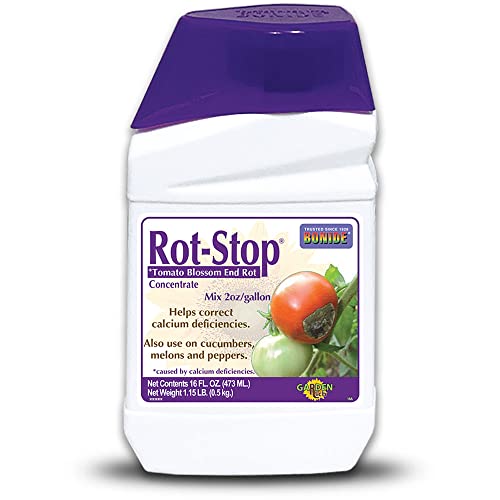
Rot-Stop Tomato Blossom End Rot is a calcium-focused product designed to prevent blossom end rot by supplying nutritional calcium to the plant. While not a pesticide, it plays a crucial role in preserving tomato fruit quality by addressing a common physiological disorder caused by calcium deficiency. The formula emphasizes the use of calcium chloride as the main active ingredient, supporting healthier fruit development as the plants mature. It is described as suitable for use indoors and outdoors and for other vegetables such as cucumbers and peppers, making it a versatile addition to a tomato care routine.
Although primarily a nutrient supplement, Rot-Stop can complement pest management by reducing stress on plants that may be more susceptible to disease and pest pressure when nutrient levels are imbalanced. For gardeners facing blossom end rot issues, this product provides a targeted calcium boost that can help stabilize growth and improve overall yield quality. Always follow label instructions for dosage and timing, and consider soil testing to tailor calcium supplementation to your soil’s existing levels.
Miracle-Gro Shake ‘N Feed Tomato, Fruit & Vegetable

Miracle-Gro Shake ‘N Feed Tomato, Fruit & Vegetable Plant Food is a granular fertilizer designed to feed plants for up to three months. It nourishes both above and below the soil, promoting robust growth, better fruit set, and stronger plant structure. The product includes calcium to support fruit quality, which can be beneficial for tomatoes during heavy fruiting periods. It’s suitable for use with in-ground, container, and raised-bed tomato plants, offering a convenient option for ongoing nutrition throughout the growing season.
From a pest management perspective, while this product does not control pests directly, strong, well-nourished plants tend to resist stress and tolerate pest pressure better. For growers balancing pest control with nutrition, Miracle-Gro Shake ‘N Feed provides a straightforward way to maintain vigor and productivity. Follow application directions to avoid over-fertilization, which can attract pests or cause other growth issues. Pair with targeted pest control measures for a comprehensive approach.
Espoma Organic Tomato Plant Food

Espoma Organic Tomato Plant Food is a liquid fertilizer designed for all types of tomatoes and other vegetables. It offers essential nutrients in a convenient formula that is safe to use around kids and pets. The label recommends diluting the product and applying every 2–4 weeks, allowing for consistent feeding without overloading the plant. This product emphasizes organic ingredients and is particularly attractive to gardeners seeking an environmentally friendly option for steady growth and improved fruit quality.
As with other fertilizers, the timing and method of application matter. Use Espoma Organic Tomato Plant Food to supplement soil nutrients, especially in soils with organic matter constraints or during periods of rapid growth. In combination with pest control products, regular feeding can help keep plants resilient against pest and disease pressures. Always follow label directions and consider seasonal adjustments based on weather and tomato variety needs.
Buying Guide: Key Purchase Considerations for Tomato Health
Choosing the right products for tomato health involves balancing pest control with plant nutrition, safety, and practicality. The following considerations help buyers compare options and build an effective care plan that suits their garden design and goals.
- Pest targets and disease coverage: Look for products that address the most common tomato pests in your area, such as spider mites, aphids, whiteflies, and powdery mildew. A combined pesticide/fungicide approach can simplify schedules, while separate products may offer more specialized control.
- Safety for edibles: If you grow tomatoes for consumption, prioritize products labeled safe for edible crops or organic gardening. Read labels to ensure residue limits are appropriate for harvest timelines and storage.
- Organic options: For organic gardens, choose products designed for organic farming or labeled as organic when possible. ARBER and similar products emphasize organic compatibility, while others may use synthetic components.
- Application method and frequency: Consider whether a product is spray-based, water-soluble, or granular. Some options require reapplication every 1–2 weeks, while others provide extended protection or slow-release feeding. Select a routine that fits your schedule.
- Plant nutrition balance: Healthy plants resist pest and disease pressures better. Use fertilizers to strengthen growth and fruit quality, but avoid over-fertilization that can attract pests or cause nutrient imbalances.
- Soil and environment: Take soil type, drainage, sun exposure, and climate into account. Containers may require different feeding schedules than in-ground beds, and greenhouse environments can alter pest prevalence.
- Compatibility with existing products: If you already use a particular organic spray or insecticide, verify compatibility to avoid adverse interactions or reduced effectiveness.
- Cost and convenience: Long-lasting feeds reduce maintenance, while single-use sprays may be more flexible for targeted problems. Weigh upfront costs against expected season-long benefits.
- Testing and monitoring: Regardless of product choice, continuous monitoring of plant health is essential. Track pest appearance, leaf coloration, and fruit set to adjust strategies promptly.
By integrating pest management with nutrition and careful observation, gardeners can protect tomato crops across seasons. The five products reviewed here provide varied approaches—from broad-spectrum protection to targeted nutrients—so you can tailor a plan that balances efficacy, safety, and ease of use for your specific tomato varieties and garden setup.