Best Phlox Paniculata Orange Perfection: Top Selections for Bright, Fragrant Gardens
Phlox paniculata orange perfection enthusiasts will find a curated set of varieties and related options that deliver vivid orange and complementary tones, fragrant blooms, and reliable performance across sun and partial shade. This guide highlights five select options that suit different garden goals, from drought-tolerant borders to compact containers. Each pick includes best-use notes to help you choose by planting style, maintenance, and site conditions.
- Best for large, sunny borders: visually striking with long-lasting color
- Better for compact spaces: dwarf or bare-root options with easy growth
- Best for fragrance lovers: varieties known for vivid scent and cluster blooms
- Best for ground-cover effects: creeping phlox that lightens rock gardens and slopes
- Best for containers and edging: manageable height and tidy growth habits
Summary of Top Selections
| Product | Growth Habit | Sun Exposure | Best Use | Notes |
|---|---|---|---|---|
| Phlox Paniculata Seeds: 1000 PCS Premium Mix | Perennial, tall display | Full sun to partial shade | Borders, beds, color show | Drought resistant, versatile |
| Votaniki David Phlox Bare Root Start | Compact, upright | Full sun to partial shade | Borders, garden beds | Fragrant white blooms, versatile |
| Votaniki Tall Garden Phlox – Red Riding Hood | Tall, clumping | Full sun | Container combos, foreground accent | Cherry red, fragrant |
| SVI 1500 Mountain Phlox Seeds | Ground cover | Full sun | Borders, rock gardens | Fragrant, spreading carpet |
| CarpetC 1000+ Creeping Phlox Seeds | Low-growing ground cover | Full sun | Rock gardens, borders | Dense carpet, drought tolerant |
Phlox Paniculata Seeds: 1000 PCS Premium Mix
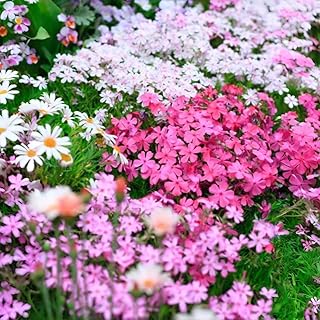
This premium mix bundles 1000 phlox paniculata seeds to deliver vibrant color and extended bloom periods. Best for gardeners who want a dramatic, multi-hue annual-to-perennial transition in large sunny borders or mixed perennial beds. The mix emphasizes drought resistance, supporting low-maintenance landscape goals. It suits gardeners who prefer a flexible planting approach across sun and partial shade.
Who it’s best for: Homeowners seeking a high-seed-count option for expansive decorative displays and those prioritizing drought tolerance.
Why selected: The bulk seed mix offers versatile color range and resilience for varied garden conditions, creating a long-season spectacle with less irrigation demand.
Caution: Germination rates can vary with sowing depth and soil moisture; ensure even moisture for best results.
Votaniki David Phlox Bare Root Start

David Phlox Bare Root Start is a compact, fragrant perennial ideal for borders and containers. Height typically ranges 2-3 feet with a 1-2 foot spread, making it suitable for mid-height focal points in beds or edging. White blossoms on sturdy stems present a crisp contrast in mixed plantings. It tolerates well-drained soil and full sun to partial shade, aligning with drought-resistant garden concepts.
Who it’s best for: Gardeners who want a fragrant, compact perennial that is easy to place in borders or containers and appreciates white flower drama.
Why selected: Its compact habit and fragrant blooms offer a refined, versatile option for structured planting beds and tighter spaces.
Caution: Bare root establishment may require more careful watering during initial rooting in cooler periods.
Votaniki Tall Garden Phlox – Red Riding Hood

This tall garden phlox, named Red Riding Hood, reaches approximately 18-24 inches in height, with dense clusters of cherry red flowers that deliver a strong vertical accent in borders and containers. Its fragrance and compact frame make it well-suited for foreground or mid-border planting where a bold color statement is desired. It’s a perennial, reinforcing year-after-year color with proper care.
Who it’s best for: Gardeners seeking a striking red flower accent with fragrance and a compact, clean silhouette.
Why selected: Its tall form and bright red blooms provide a focal point that contrasts nicely with greens and cooler-toned plantings.
Caution: Red hues can fade in extreme heat or drought if not adequately watered; ensure steady moisture in hot summers.
SVI 1500 Mountain Phlox Seeds

These mountain phlox seeds are designed for ground-cover performance with a fragrant profile. The seed packet includes about 1500 seeds and is ideal for low-growing mass planting, rock gardens, and borders. Mature height reaches around 18 inches, creating an airy carpet-like effect while maintaining a scent-rich presence in late spring to early summer.
Who it’s best for: Gardeners aiming for a fragrant ground cover that suppresses weeds and blankets slopes or paths with color.
Why selected: The combination of volume, fragrance, and ground-cover spread provides a practical solution for erosion control and border interplays.
Caution: It is a bulk seed option; germination depends on surface sowing depth and consistent moisture.
CarpetC 1000+ Creeping Phlox Seeds

CarpetC creeping phlox seeds form a dense, weed-suppressing mat that stays evergreen and grows 4-6 inches tall. Spreading 18-24 inches wide, it’s ideal for filling gaps between rocks, along pathways, and for erosion control on slopes. It’s drought-tolerant once established and thrives in well-drained soils, making it a robust choice for rock gardens and coastal landscapes.
Who it’s best for: Gardeners wanting a low-growing, evergreen ground cover with mass bloom potential for spring color.
Why selected: Its creeping habit, year-round greenery, and low water needs after establishment make it a dependable performer for ground-level aesthetics.
Caution: Establishment may require consistent moisture early on until dense coverage is achieved.
Buying Guide: Phlox Paniculata Orange Perfection For Your Garden
What site conditions matter?
Phlox paniculata generally prefers full sun to partial shade with well-drained soil. Drought-tolerant selections still benefit from consistent moisture during establishment. For best bloom, aim for at least 6 hours of sun daily and avoid overly rich soils that encourage excessive top growth at the expense of flowering.
Which growth habit fits your space?
Tall garden phlox are ideal for back borders or focal points, while creeping and ground-cover types suit rock gardens, slopes, or pathways. Bare-root starts work well for quick edge definition, whereas seed mixes provide bulk color for large areas.
Fragrance and color considerations
Fragrant varieties add scent to the garden; white and bright red blooms create striking contrast with green foliage. When selecting, consider how the color complements existing plants and whether scent is a priority for pathways or seating areas.
Maintenance and care guidelines
Water regularly during the first growing season to establish root systems. After establishment, drought-tolerant types reduce irrigation needs but still appreciate occasional watering during prolonged heat. Pruning spent blooms can encourage a second flush in some varieties, while others benefit from light shaping to maintain a tidy form.
How to plant and arrange
Plant bare-root phlox in spring after the last frost, spacing according to mature width. Seed mixes should be sown per the package instructions, typically just under the surface with light coverage. Combine tall varieties with lower-growing ground covers to create layered interest and continuous bloom across the season.
Frequently Asked Questions
- What is the best phlox for drought-prone gardens? Varieties labeled as drought-resistant or with low water needs after establishment are preferable, including some creeping phlox options designed for low irrigation.
- Are phlox paniculata orange varieties available? The selection here focuses on orange-perception or complementary orange hues within the broader phlox family; exact orange-paniculata cultivars may be limited, so consider near-orange tones in complementary colors if pure orange is not available.
- When should I plant phlox from seed? Seeded phlox typically benefits from spring sowing after the threat of frost, with consistent moisture until germination occurs.
- Can phlox be grown in containers? Yes, many phlox selections, including compact or container-friendly types, perform well in pots with bright light and well-draining soil.
- Do phlox attract pollinators? Yes, many phlox flowers attract bees, butterflies, and other pollinators, supporting garden biodiversity.
- What is the best way to prevent phlox diseases? Ensure good air circulation, avoid overhead watering, and select disease-resistant varieties when possible.