Best Pink Pride of Barbados Plant Guides: Top Picks for Warm-Weather Gardens
Answering the buyer’s search for pink Pride of Barbados plants, this guide highlights five relevant options that suit different spaces and climates. Ideal buyers include tropical gardeners, container planters, and landscape designers seeking vibrant pink or red tropical color. Each product section notes who it’s best for, plus practical cautions to consider before buying. A quick summary table follows to help you compare at a glance.
| Product | Best For | Key Benefit |
|---|---|---|
| Pride of Hankins – Heirloom Hibiscus | Tropical gardens, larger landscapes | Vibrant double blooms and vigorous growth |
| Red Pride of Barbados Tree Live Plant | Warm climate yards, hedges | Tall, striking color in warm zones |
| KVITER 10 Red Bird of Paradise seeds | Budget-friendly, patio beds | Fast-growing with vivid blooms |
| 1 Year Old Mexican Bird of Paradise Tree Live Plant | Immediate color in pots | Ready-to-grow shrub/tree form |
| Barbados Cherry Trees (4-pack) | Fruit-focused gardens | Edible cherries and tropical foliage |
Pride of Hankins – Heirloom Hibiscus

Best for: Gardeners who want a dramatic, tropical bloom display and a robust root system. Pride of Hankins is an heirloom hibiscus known for golf-ball-sized double blooms in salmon to fuchsia pink. The plant is praised for its vigorous growth and versatility as a hedge, accent, or container specimen. The Shiitake-like robustness helps it withstand hot climates when provided with acidic, well-draining soil and regular feeding.
Why selected: Its tall stature and dense, showy flowers make it a classic focal point in warm-season landscapes. The plant’s resilience and long bloom season provide reliable color.
Caution: Protect from frost and freezing. Mature plants need consistent moisture and soil fertility to maintain peak flowering. Light pruning after flowering helps maintain shape and encourage rebloom.
Red Pride of Barbados Tree Live Plant

Best for: Those in warm climates seeking a tall, ornamental tree with vibrant red to orange-yellow flowers. This Mexican Birds of Paradise (Pride of Barbados) variant grows well in zones 9–11 and thrives in hot, sunny environments.
Why selected: It offers a striking tropical presence, enabling privacy screening or bold landscape statements in suitable climates.
Caution: It is best suited for warm regions; avoid overwatering in cooler seasons and ensure full sun exposure for optimal flowering.
KVITER 10 Red Bird of Paradise Seeds
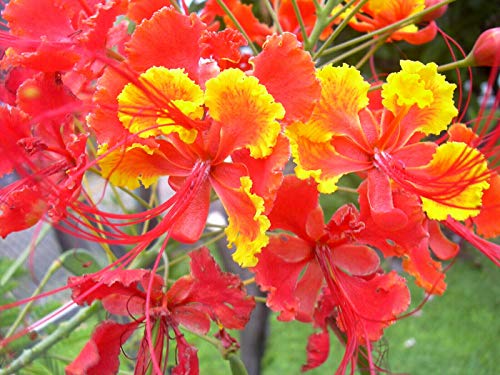
Best for: Gardeners seeking a budget-friendly option to establish a lush tropical border or privacy screen. These seeds grow into a shrub with vivid red-to-orange blooms.
Why selected: Fast growth and heat tolerance make these seeds a practical choice for warm climates and container garden setups. They also offer multiple growth forms, from low shrubs to small trees, depending on spacing.
Caution: Seeds require warmth and sun to germinate successfully; proper seed starting practices are essential for best results.
1 Year Old Mexican Bird of Paradise Tree Live Plant

Best for: Gardeners wanting an immediate, tall focal plant for warm climates or large patio planters. The 6-9 inch tall plant arrives in a ready-to-grow form and provides instant color.
Why selected: Its size and species compatibility let buyers achieve a tropical look quickly without waiting for seeds to mature.
Caution: Requires full sun and well-draining soil. It is best placed in outdoor spaces with protection from freezing temperatures.
Barbados Cherry Trees – 4 Plants
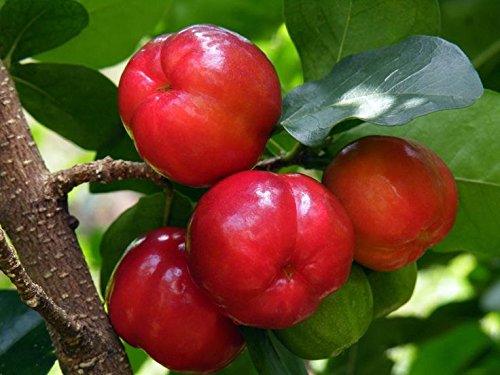
Best for: Fruit-forward gardens and containers that benefit from edible harvests. Barbados cherry trees deliver tangy, tropical fruit with ornamental foliage.
Why selected: Produces multiple fruiting plants in one pack, enabling easier establishment of a small orchard or dense garden border.
Caution: Requires warm climates and consistent care to reach fruiting maturity. Fertilizing and pruning after bloom can help maintain plant vigor.
Buying Guide: Key Purchase Considerations
- Climate compatibility: Check each plant’s zone recommendations. Tropical species generally prefer warm, sunny conditions, with some tolerating partial shade.
- Space and form: Consider whether you want a tree, a shrub, or a hedge, and plan for mature size to avoid overcrowding.
- Bloom color and season: If pink tones are a priority, prioritize hibiscus and red/orange Bird of Paradise varieties that produce sustained color through warm seasons.
- Soil and care needs: Most tropical plants prefer well-draining, fertile soil. Some require acidic soil; others tolerate neutral pH. Regular feeding supports flowering.
- Maintenance level: For beginners, choose plants described as low maintenance with minimal pruning and watering needs.
Frequently Asked Questions
- What is the Pride of Barbados plant commonly used for?
- Which plant is best for a small garden looking for pink blooms?
- Can these plants grow in cooler regions?
- Are seeds a good option for starting a Bird of Paradise garden?
- Do Barbados cherry trees produce edible fruit?
It’s used as a tropical ornamental for borders, privacy hedges, and large containers, with striking red or pinkish blooms in warm climates.
Hibiscus Pride of Hankins provides dramatic pink flowers and fits in containers or small garden beds with proper sun and soil care.
Some can be grown as annuals or in pots that are brought indoors; however, many prefer zones 8–11 and require protection from frost.
Seeds are a cost-effective choice for large plantings, but germination requires warmth and patience; established plants offer quicker color.
Yes, Barbados cherry trees produce tangy tropical fruit, which can be harvested in suitable climates and used in jams, smoothies, or fresh eating.