Best Plant Spray for Aphids: Top Right-Now Options for Every Gardener
When aphids attack, choose a targeted spray that stops feeding without harming your plants. This guide highlights five effective, user-friendly plant sprays for aphid control suitable for different gardening needs—organic enthusiasts, container gardeners, and outdoor landscape lovers alike. Each option is explained with who it’s best for, plus practical cautions to consider for best results.
| Product | Best For | Key Benefit |
|---|---|---|
| Bonide Captain Jack’s Insecticidal Super Soap | Vegetable gardens, ornamentals, outdoor containers | Direct contact and leaf-surface feeding control |
| BioAdvanced Rose & Flower Insect Killer | Roses and flowering plants | Kills 100+ insects on contact |
| Natria Neem Oil Spray | Integrated disease + insect control for houseplants and gardens | Insecticide and fungicide in one |
| Garden Safe Insecticidal Soap | Edibles and ornamentals in home gardens | Ready-to-use, contact-only insect kill |
| Mighty Mint Peppermint Oil Plant Protection Spray | People- and pet-friendly pest deterrence | Plant-based, peppermint oil formula |
Note: All products listed are ready-to-use sprays designed to combat aphids and other common garden pests. Selection suggestions consider practicality, spectrum of pests, and whether you prefer soap, neem oil, or plant-based formulas for aphid control.
Bonide Captain Jack’s Insecticidal Super Soap

This Ready-to-Use spray targets aphids by contact and through leaf-feeding pests. It also lists a broad spectrum of pests, including adelgid, caterpillars, thrips, and spider mites, making it a versatile option for outdoor gardens and greenhouses. Best for gardeners who want a quick, soap-based solution that works on contact and through ingestion when pests feed on treated leaves. Caution: Soap products may cause leaf burn in hot, sunny conditions or on sensitive plants; test on a small area first.
BioAdvanced Rose & Flower Insect Killer
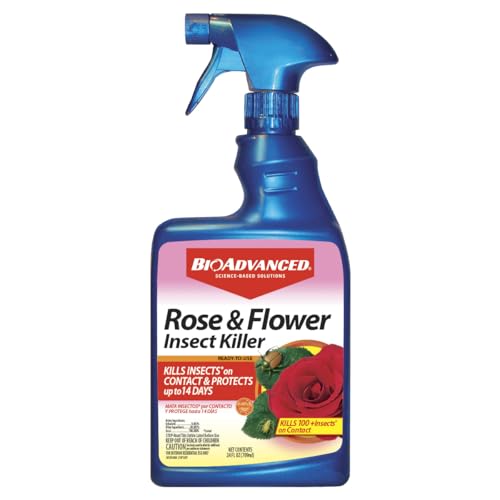
Designed for roses, flowers, and container plants, this spray claims broad insect kill on contact—helpful for aphids that quickly reproduce on blossoms. It’s best for dedicated flowering plant care where aphids frequently appear. A potential limitation is that its effectiveness depends on direct contact; thorough coverage of affected plant parts is essential for best results.
Natria Neem Oil Spray

Natria Neem Oil acts as both an insecticide and a fungicide, offering a dual benefit for houses and gardens. It targets aphids, whiteflies, spider mites, and other listed pests, with the added advantage of powdery mildew and other diseases being controlled by its formulation. Best for gardeners seeking an all-in-one spray that addresses both pests and certain plant diseases. Limitation: Neem oil performance can be reduced in extreme heat and may require reapplication after rain.
BioAdvanced 3-in-1 Insect, Disease, and Plant Mite Control

This 3-in-1 spray combines insect, disease, and mite control with rainproof protection for up to 14 days. It’s suitable for outdoor use on roses, flowers, ornamentals, and shrubs. Choose this if you want a single spray that covers multiple threats at once. Caution: Apply when pollinators are not present; follow label directions to protect beneficial insects during flowering.
Bonide Captain Jack’s Neem Max

Neem Max combines neem oil’s broad-spectrum pest control with disease prevention. It’s suitable for organic gardening and can be used both indoors and outdoors. Best for gardeners who prefer a plant-based preventive option that also targets aphids, mites, and other common pests. Limitation: Oil-based sprays can leave a slight residue on certain plant surfaces after application; ensure good air circulation and follow reapplication guidelines.
Mighty Mint Peppermint Oil Spray

This plant-based spray uses peppermint oil to deter a range of pests, including aphids, gnats, and spider mites, while being designed for safer use around people and pets when applied as directed. Best for gardeners seeking a fragrance-based deterrent and a more natural approach to aphid management. Limitation: Peppermint oil may be less effective on heavy pest infestations and might require repeated applications for ongoing protection.
Buying Guide: Practical Choices For Aphid Control
What should I consider when choosing an aphid spray?
- Target pests: If aphids are the primary concern, choose sprays specifically noted for aphids or with broad insect control.
- Plant type: Consider whether you’re spraying ornamentals, edibles, or houseplants, and check label allowances for edible crops and flowering plants.
- Mode of action: Soap-based products kill by contact, neem oil offers insecticidal and fungicidal benefits, and plant-based oils provide deterrence with potentially gentler profiles.
- Application and reapplication: Some products require reapplication after rain or sun exposure; others provide longer protection up to 14–30 days, depending on formula.
- Safety and compatibility: For organic gardens, verify organic-certification status and observe pollinator-friendly directions when flowering plants are present.
- Coverage and surface: Thorough spray coverage, including the undersides of leaves, improves efficacy for aphids hiding on new growth.
How do I apply aphid sprays effectively?
- Apply early in the morning or late afternoon to limit leaf burn (for soap-based and oil-based products).
- Cover the entire plant, focusing on the undersides of leaves where aphids often congregate.
- Reapply as directed on the product label, especially after rain or heavy dew.
FAQ
- Are aphids resistant to sprays? Some aphid populations can adapt; rotating products with different active ingredients can help reduce resistance risk.
- Can I spray edible plants with neem or soap sprays? Yes, many are labeled for use on edibles; follow the label for harvest intervals and avoid applying during peak sun.
- Is soap safe for beneficial insects? Soap can affect soft-bodied beneficials if sprayed directly; spray when pests are active and minimize contact with pollinators.
- Which spray should I choose for indoor plants? Neem oil and plant-based oils are often suitable for indoor use, with careful ventilation and surface care.
- Do I need to rinse after application? Most ready-to-use products do not require rinsing; follow label directions for best results.
- Is a combination spray better than a single product? A 3-in-1 product can simplify routines but may be less specialized; choose based on your pest spectrum and plant health goals.