Best Planting Bags for Trees: Durable Options for Healthy Roots
Answering the search for reliable planting bags for trees: these options prioritize root health, drainage, and ease of transport, making them ideal for urban gardeners, nursery professionals, and landscape projects. The top picks include bags that promote air pruning, deep root growth, and simple handling. Best for large trees, bulk plantings, and space-limited setups, these bags help reduce transplant shock and improve vigor. The following table summarizes five strong choices and who each is best for.
| Product | ||
|---|---|---|
| Gardzen 6-Pack 30 Gallon Grow Bags | 30 gallons each | Large trees, fast growth, frequent moves |
| Tree Watering Bag, 20 Gallon (3 Pack) | Up to 20 gallons per bag | Established trees needing deep, slow irrigation |
| Belit 50 Pcs 13.5″ Deep Nursery Grow Bags | 13.5″ height, deep root access | Seedlings, deep-rooted plants, starting many specimens |
| Songrey 10-Pack 10 Gallon Grow Bags | 10 gallons each | Tomatoes, vegetables, flowers with good airflow |
| FVOTNW 50 Gallon Grow Bags | About 50 gallons capacity | Large crops, shrubs, and bigger containers |
Gardzen 6-Pack 30 Gallon Grow Bags

Features: Made of premium quality durable non-woven fabric, BPA and AZO free, washable and reusable. Excellent aeration and breathability avoids root circling and promotes healthy root growth. Woven design provides good drainage and airflow for faster growth and plant vigor.
Best for: Home gardeners and small-scale landscapers who plant large trees or heavy-rooted shrubs in reusable bags. Why selected: The 30-gallon size balances root volume with mobility, and the fabric promotes air pruning to prevent root circling. Limitation: Not ideal for extremely wet climates where oversaturation could occur without proper drainage management.
Tree Watering Bag, 20 Gallon (3 Pack)
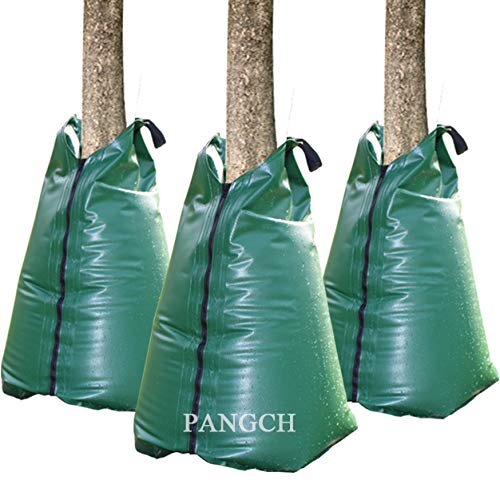
Features: Deep water saturation designed to deliver water below soil surface, encouraging strong root growth and reducing transplant and drought shock. Each bag can apply up to 20 gallons in a single fill, with expected release times of roughly 5–9 hours, highly variable by soil and climate.
Best for: New plantings or established trees that require consistent, slow irrigation with deeper soil penetration. Why selected: Reduces watering frequency and labor while promoting deep root development. Limitation: Watering times can vary; plan for local soil and weather conditions, especially in drought-prone areas.
Belit 50 Pcs 13.5″ Deep Nursery Grow Bags
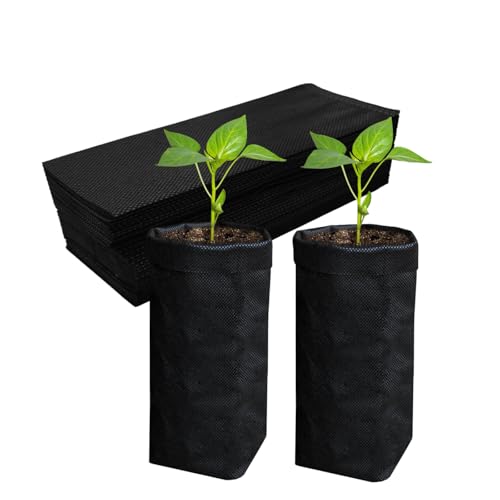
Features: Thick non-woven fabric; sturdy, lightweight, and suitable for direct ground planting. Excellent water absorption and air permeability support root growth, preventing rot and tangles. Higher seedling survival and faster growth compared to traditional nursery pots.
Best for: Nurseries or home projects starting deep-rooted plants and seedlings. Why selected: Deep 13.5″ design supports strong taproots and rapid establishment. Limitation: Being nonwoven fabric, these bags may wear more quickly with rough handling or excessive sun exposure without proper care.
Jim Gem Superior Tree Planting Bag

Features: Adjustable padded harness for comfort; split bag design with oversized compartments and multiple attachment points for tools and accessories. Provides a practical, ergonomic option for long planting days and organized carrying.
Best for: Professional or hobbyists who plant multiple trees in one session and require stable, comfortable handling. Why selected: The harness and compartments reduce fatigue and improve efficiency. Limitation: The bag size may be less suitable for very compact spaces or single-tree, minimal-tool jobs.
Songrey 10-Pack 10 Gallon Grow Bags

Features: Thickened nonwoven fabric, BPA-free and eco-friendly; breathable with fast drainage and air pruning to prevent root circling. Reinforced heavy-duty handles allow easy lifting and mobility on balconies, patios, and yards.
Best for: Home gardeners growing vegetables, flowers, and herbs in bags where airflow and weight management matter. Why selected: Combines durability with good root health and portability. Limitation: Ten-gallon size may be small for larger trees or heavy soil loads.
Gardzen 10-Pack 10 Gallon Grow Bags

Features: 300G thickened nonwoven fabric for durability and moderate permeability; BPA-free for safe organic gardening. Highly rated for air pruning, preventing root circling, and promoting vigorous root ball development. Reinforced X-shaped stitching on handles for strength.
Best for: Those planting multiple medium-sized trees or vegetables with frequent relocations. Why selected: Strong fabric and reinforced handles suit mobile setups. Limitation: Bulkiness can be higher when filled with dense soil, so plan transport accordingly.
FVOTNW 50 Gallon Grow Bags
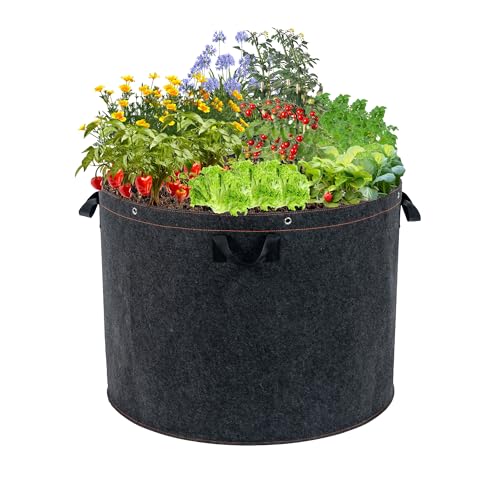
Features: 400G thickened long-lasting nonwoven fabric; large 50-gallon capacity with reinforced dual handles. Excellent aeration and drainage to support root branching and nutrient uptake for large crops, tomatoes, potatoes, and shrubs.
Best for: Bigger landscape projects or large container-style plantings where space allows. Why selected: High capacity accommodates sizeable root systems and heavier soil loads. Limitation: Size and weight may require more effort to move and position, especially in limited spaces.
Buying Guide
What should you consider when choosing planting bags for trees?
- Size and capacity: Match bag volume to your tree size and expected root volume. Larger trees need bigger bags, but consider mobility and storage.
- Material and durability: Look for thick nonwoven fabric or reinforced fabric with long lifespan. Check for BPA-free and safety claims if growing edible crops.
- Drainage and aeration: Adequate airflow prevents root circling and promotes healthy root pruning. Bags with breathable fabrics and proper drainage are preferred.
- Handles and portability: Reinforced handles and stitching aid lifting, repositioning, and seasonal relocation.
- Reusability: Washable or reusable bags save money over time and reduce waste, especially for nurseries or multi-season projects.
- Special features: Some bags offer built-in irrigation compatibility, adjustable harnesses, or extra compartments for tools—useful for professional use or large plantings.
Frequently Asked Questions
Are fabric planting bags better than plastic pots for trees?
Yes, fabric bags promote air pruning and better drainage, reducing root circling and encouraging a healthier root system compared to traditional plastic pots.
How many gallons should a bag hold for a young tree?
That depends on tree size and planned growth. Common beginner sizes range from 10 to 30 gallons, with larger trees requiring bigger bags.
Can planting bags be used for vegetable beds as well?
Yes. Many bags are suitable for tomatoes, peppers, and other vegetables, offering good aeration and mobility for containers or raised beds.
How do I move heavy bags without tearing the fabric?
Choose bags with reinforced handles and cross-stitched seams. Lift with proper technique and consider rolling or sliding the bag when moving heavy loads.
Is watering frequency higher with fabric bags?
Fabric bags often require more frequent but shorter watering to maintain moisture without waterlogging, depending on climate and soil.
Can these bags be reused after the season ends?
Most fabric grow bags are designed for reuse; wash them and store in a dry place to extend their life.