Best Plants for Butterflies: Nectar and Milkweed Picks for Your Garden
Butterflies brighten gardens and support healthy ecosystems. A thoughtful mix of nectar-rich flowers and monarch-friendly host plants helps adults feast while caterpillars have a place to thrive. The following five Amazon picks emphasize seeds and live plants that attract pollinators, especially monarchs, across different garden styles and climates. Each option comes from reputable brands and includes practical growing guidance to fit American yards, patios, and pollinator borders.
Summary of chosen products:
| Product | Brand | Type | Focus |
|---|---|---|---|
| Milkweed Seed Packet Collection | Seed Needs | Seeds | Monarch habitat |
| Wildflower Seeds Hummingbird and Butterfly Mix | Groundio | Seeds | Pollinators & nectar plants |
| Butterfly Milkweed Live Plants | Clovers Garden | Live plants | Monarch host plant |
| Milkweed Seeds For Monarchs Pack | Gardeners Basics | Seeds | Monarch habitat |
| Monarch Rescue Wildflower Seed Packet | Beauty Beyond Belief | Seeds | Monarch habitat |
Milkweed Seed Packets For Monarchs

This Seed Needs collection bundles five individual milkweed varieties designed to attract monarch butterflies. The seeds are heirloom and untreated, intended for current and upcoming growing seasons. Seed Needs stores all seeds in a temperature-controlled facility with minimal moisture exposure to maintain viability, which helps gardeners plan multiple seasons of nectar and host plant production. Generous packet quantities encourage sharing with friends or preserving extras for future plantings. Each seed packet features a vivid illustration and clear sowing instructions on the reverse side, with a compact size of about 3.25 inches wide by 4.50 inches tall for easy storage and labeling.
Planting milkweed supports monarchs through the critical larval stage and provides essential nectar sources as adults. For best results, prepare well-drained soil in full sun and space varieties to mimic natural stands. Begin with a fall or spring sowing window, lightly cover seeds, and maintain consistent moisture until germination. While monarchs spread across many regions, milkweed thrives in temperate climates and can establish robust habitats over multiple seasons when cared for properly.
Butterfly And Hummingbird Wildflower Mix

Groundio’s wildflower mix includes 24 varieties spanning annuals, perennials, and biennials. This open-pollinated blend is designed for a high germination rate with 99% pure live seed and no filler, helping ensure a lush, nectar-rich display that attracts a broad spectrum of pollinators, including butterflies, bumblebees, bees, and ladybugs. Plants typically reach 12 to 48 inches in height and can cover roughly 194 square feet. If germination occurs in 5–10 days and blooms emerge in 35–75 days, gardeners can enjoy a vibrant, multi-season display in spring through summer.
To maximize butterfly visits, plant in full sun with well-drained soil and space tall varieties behind shorter ones for a layered, habitat-friendly border. Regular deadheading can prolong blooms, while supplemental irrigation during extended dry spells helps sustain nectar production. This mix is well-suited for decorative pollinator borders, meadow layouts, and container-friendly gardens where butterflies roam and nectar is plentiful throughout the growing season.
Butterfly Milkweed Live Plants

Clovers Garden offers two large live milkweed plants, each 4 to 8 inches tall and potted in 4-inch containers. Asclepias tuberosa, the butterfly milkweed, is non-GMO with no neonicotinoids and showcases tall, upright stems bearing vivid orange blossoms that strongly attract monarchs and other pollinators. Hardy and easy to grow, these perennials can reach about 24 inches in height and width, providing long-lasting habitat and nectar. The green seed pods can be saved for dried arrangements, offering ongoing garden value.
With monarchs in mind, plant these milkweed specimens in full sun and well-drained soil. They tolerate heat and drought once established, though regular watering during establishment helps. This option is ideal for gardeners who want an immediate monarch host plant presence alongside a reliable nectar source, delivering year-after-year butterfly activity in a relatively compact footprint.
Milkweed Seeds For Monarchs Pack
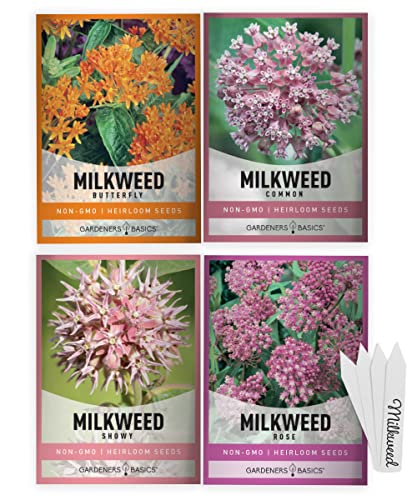
The Gardeners Basics four-variety milkweed seed pack is designed to support monarchs while offering diversity in bloom timing and plant form. The assortment includes rose, butterfly, common, and showy milkweed varieties, providing a spectrum of host plants to accommodate different garden conditions. This selection is well-suited for creating a monarch-friendly border, a dedicated pollinator patch, or a series of staggered plantings that maintain a nectar supply while monarchs navigate between generations.
Seeds in this mix are ideal for gardeners who enjoy starting from seed or expanding a monarch habitat over multiple seasons. Prepare sunny, well-drained soil and provide consistent moisture until germination. As plants grow, monitor for drought stress and prune after blooming to encourage a tidy, healthy garden that continuously lanterns monarch activity and general pollinator visits.
Monarch Rescue Wildflower Seed Packet

Beauty Beyond Belief markets a Monarch Butterfly Rescue wildflower seed packet that emphasizes open-pollinated, non-GMO seeds. The collection includes a mix of wildflowers—plus milkweed seeds—to attract monarchs and other pollinators. The product emphasizes 100% pure seed with complete planting instructions, making it suitable for first-time seed sowers and experienced gardeners alike. The emphasis on monarch-friendly varieties aligns with efforts to increase nectar sources and habitat connectivity in home landscapes.
Since 1985, this brand has focused on high-quality seeds and guidance for pollinator gardens. The Monarch Rescue blend is designed to maximize monarch visits by offering a diverse bloom window, providing essential nectar across the season. For gardeners seeking a straightforward, ready-to-plant wildflower mix that supports monarchs, this option offers a compact, easy-to-use seed packet with clear instructions.
Buying Guide
When building a butterfly-friendly garden, decide whether you want immediate effects with live plants or flexible, season-to-season growth with seeds. Milkweed is essential for monarchs, but a balanced mix of nectar plants sustains adult butterflies and supports pollinators year-round. Consider your climate, sun exposure, and soil type to select seed or plant varieties that will thrive locally and bloom across multiple seasons.
- Monarch focus vs. general pollinators: If monarchs are your priority, include milkweed species and monarch-specific seed mixes. For broader pollinator support, mix nectar-rich perennials with annuals that provide continuous blooms.
- Plant type and establishment: Live plants offer instant impact but may require more upfront maintenance. Seeds take longer to establish but are usually more cost-effective and versatile for creating larger habitat patches.
- Sunlight and soil requirements: Most milkweed species prefer full sun and well-drained soil. Some wildflower mixes tolerate partial shade; match choices to your garden’s light conditions.
- Bloom timing and duration: Choose a combination of early, mid, and late-season bloomers to extend nectar availability. Spreading plantings over two or three seasons can maintain a steady supply of food for butterflies.
- Open-pollinated vs hybrids: Open-pollinated seeds offer genetic diversity and easier seed saving for future seasons. Hybrids may offer specific traits but limit seed-saving options.
- Maintenance and sustainability: Favor non-GMO, environmentally friendly options. Avoid pesticides that harm pollinators, and consider native or regionally adapted varieties for better survival and ecological fit.
| Comparison | Recommendation |
|---|---|
| Seeds | Cost-effective, long-term habitat expansion; requires germination and care until plants establish. |
| Live Plants | Faster impact; ideal for immediate monarch habitat; higher upfront cost and transplanting considerations. |
| Monarch Focus | Prioritize milkweed and nectar sources that bloom through the growing season. |