Best Greenhouse Poly Film for Reliable Plant Protection and Growth
The right poly film can extend your growing season, protect plants from cold snaps, and improve light diffusion in a greenhouse. This article highlights five top poly film options, with practical guidance on thickness, UV resistance, light transmission, and durability. Whether you’re coating a high tunnel or small greenhouse, the selections below offer strong UV protection, tear resistance, and long service life—essential for American growers who depend on consistent results.
| Product | Size | Thickness | Key Benefit |
|---|---|---|---|
| Grower Select Clear Greenhouse Plastic Sheeting | 10′ x 25′ | 6 mil | Excellent light transmission and 4-year UV resistance |
| Tapix Plastic Sheeting | 10′ x 25′ | 6 mil | Moisture barrier and versatile for covering plants |
| chicarry Greenhouse Plastic Sheeting (12′ x 25′) | 12′ x 25′ | 6 mil | High strength with UV resistance and even light diffusion |
| chicarry Greenhouse Plastic Sheeting (24′ x 25′) | 24′ x 25′ | 6 mil | Heavy-duty, long-lasting, good light transmission |
| VIVOSUN Black and White Panda Film | 10′ x 100′ | 5.5 mil | Blackout for warmth retention and controlled light |
Grower Select Clear Greenhouse Plastic Sheeting

Grower Select offers clear, 6-mil polyethylene film designed to create an optimal greenhouse environment. The film highlights 4-year UV resistance, ensuring longer life in sunny climates. It features high light transmission—approximate 91% per layer—to distribute light evenly and support steady crop growth. Expected performance includes improved warmth in cooler weather and reduced crop delays due to poor light diffusion. A note: some sizes ship folded for delivery, so plan for unfolding without damaging the film.
Tapix Plastic Sheeting

Tapix Plastic Sheeting provides a 10′ x 25′ roll at 6 mil thickness, delivering robust durability for greenhouse use and general purpose projects. It acts as a moisture barrier and temporary enclosure, protecting plants and materials from spills, dust, and drafts. The film is suitable for rim insulation, floor protection, or covering plants during messy tasks. With UV inhibitors, it resists sun damage, but plan to replace after several seasons in high-UV environments for best results.
chicarry Greenhouse Plastic Sheeting (12′ x 25′)

This 12′ x 25′ 6 mil clear greenhouse film from chicarry emphasizes high strength and flexibility through 5-layer co-extrusion. It delivers UV resistance for outdoor use and promotes uniform light transmission to support steady plant growth. The film is designed to endure high temperatures and maintain clarity, helping growers extend the growing season while minimizing heat loss at night.
chicarry Greenhouse Plastic Sheeting (24′ x 25′)

A broader option from chicarry, this 24′ x 25′ film is also 6 mil thick, combining heavy-duty durability with reliable UV resistance. Its design emphasizes high light transmission and tear resistance, making it suitable for larger greenhouses or high-traffic growing spaces. This film aims to balance long service life with consistent greenhouse performance in varying weather conditions.
VIVOSUN Black and White Panda Film
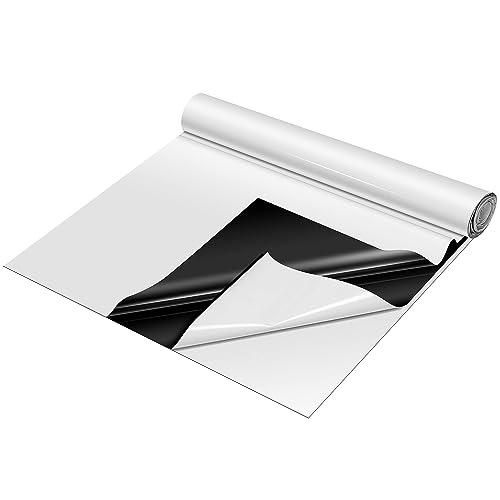
The VIVOSUN Panda Film uses a black and white design to manage light exposure and heat retention. The 5.5 mil film provides a durable barrier and strong reflectivity, with the white side offering high reflectivity to bounce light back to plants and the black side blocking light where darkness is needed. This configuration is advantageous for temperature management and energy efficiency in colder climates or during light deprivation experiments.
Farm Plastic Supply Panda Film Light Deprivation Greenhouse Cover

Farm Plastic Supply offers a 6 mil black/white poly film designed for light deprivation. The black side blocks light, while the white side reflects light outward, aiding temperature control and darkness cycles for photoperiod-sensitive crops. The film is UV-inhibited to resist sun damage and is built for longevity under outdoor conditions. It is suitable for temporary or seasonal greenhouse curtains and black-out applications in larger setups.
Buying Guide: Key Purchase Considerations
- Film Thickness: Common options include 6 mil for general greenhouses and 5.5 mil for blackout needs. Thicker films offer better durability but may reduce light transmission slightly; balance durability with light needs for your crops.
- UV Resistance and Lifespan: Look for films with extended UV resistance to extend life in sunny climates. Four-year UV resistance is common in higher-end options and reduces replacement frequency.
- Light Transmission: Higher light transmission supports faster plant growth, especially in cooler regions. Some films deliver up to 91% light transmission per layer, promoting even temperature distribution.
- Light Deprivation vs. Diffusion: Blackout films (black/white) are used to control light cycles, while clear films emphasize diffusion and warmth. Choose based on crop needs and seasonal strategy.
- Size and Coverage: Ensure the width and length fit your greenhouse dimensions. Larger rolls may reduce seams but require more handling during installation.
- Installation Considerations: Some films are designed to work with PVC piping or batten tapes; consider compatibility and recommended installation methods to avoid material degradation.
- Durability and Tear Resistance: Five-layer co-extrusion and reinforced thickness improve resilience against wind, hail, and routine maintenance tasks.
- Cost vs. Lifespan: While upfront costs vary, longer-lasting films can reduce replacement frequency and overall maintenance time.
When selecting a greenhouse poly film, align the product’s strengths with your local climate, crop types, and maintenance plans. The listed options provide varied configurations—from clear, high-light films ideal for standard crops to blackout films suited for photoperiod-sensitive plants and temperature control. Consider whether you value higher light transmission, extended UV resistance, or light-deprivation capabilities to optimize growth and yields in your American growing environment.