Best Portable Livestock Fence Panels for Flexible Fencing on the Go
Answering the demand for quick, portable fencing, these selections cover a range of needs—from temporary field containment to renewable-power fence chargers. Ideal for ranchers, smallholders, and event organizers, each option provides portability, ease of setup, and practical containment for livestock. Below are five top picks with clear pros, best-use scenarios, and practical cautions to help you choose.
| Product | Best For | Key Feature | Approx. Portability |
|---|---|---|---|
| Gallagher Smart Fence 2 | Temporary pasture rotations, markets, quick setups | Four-wire, built-in posts and reels | Very light, fast deployment |
| ANDMON 10 Miles Solar Fence Charger | Rural fencing without mains supply | Solar-powered, up to 10 miles of fence | Highly portable, battery-backed |
| SOYWEY Portable Outdoor Horse Corral Pen | Temporary corrals for small to medium livestock | Folding, quick assembly | Compact when collapsed |
| FZIFZI Electric Fence Netting | Ranches, backyards, small to mid-sized herds | 14 fiberglass posts, durable PE netting | Flexible layout, portable |
| ANDMON MINI400 30 Miles Solar Fence Charger | Longer-range solar-powered fencing | 0.4 stored joule, day/night mode | Very portable solar unit |
Gallagher Smart Fence 2 | Portable Electric Fence

The Gallagher Smart Fence 2 provides a ready-to-use fencing solution for temporary fields and rotational grazing. It includes four polywire strands, 10 pre-installed posts, and up to 328 feet of fencing. Best for farmers who need a fast, plug-and-play containment option without extra setup. The top wire height reaches about 42 inches, suitable for many cattle, sheep, and goat applications. Note: Fence charger and grounding rod are not included, so buyers should plan for a compatible charger separately.
Who it’s best for: small to mid-sized operations needing quick fences for seasonal rotations or emergency repairs. Why selected: its self-contained design and rapid deployment save time in field fencing scenarios. Caution: requires a separate charger and grounding rod for full operation.
ANDMON 10 Miles Solar Electric Fence Charger
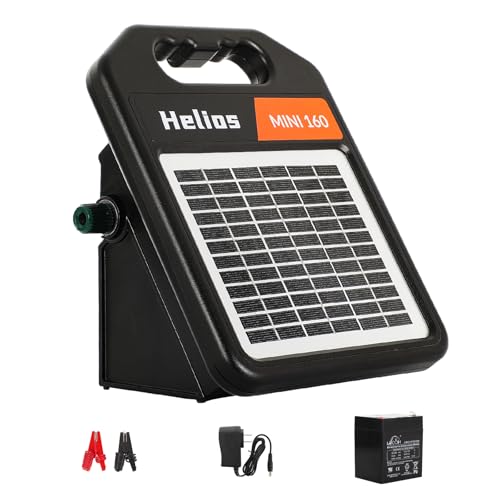
This solar-powered fence charger is designed for strip grazing and remote deployments. It energizes up to 10 miles of electric fencing and includes built-in solar panels and a GEL battery. Its portability makes it a strong choice for off-grid operations or temporary paddocks. It’s easy to mount on a steel rod and connect to a fence line, providing a reliable power source in varied light conditions.
Who it’s best for: ranchers needing dependable solar power in remote pastures. Why selected: compact, rugged design with self-contained solar charging. Caution: ensure compatible fence wire and grounding per setup requirements for optimal performance.
SOYWEY Portable Outdoor Horse Corral Pen

This folding corral pen offers a sturdy enclosure for small to medium livestock, such as horses, cows, and sheep. It features a powder-coated steel frame for durability and simple ground insertion for stability. Assembly is quick and configurable, letting you form various layouts as needed. Best for temporary stalls at venues, farms, or camping trips. Caution: design is best for temporary or controlled environments rather than long-term outdoor pens.
Who it’s best for: owners seeking a flexible, easy-to-transport enclosure for temporary containment. Why selected: fast setup and adjustable configurations. Caution: not intended as a long-term, high-density confinement solution.
FZIFZI Electric Fence Netting

This portable fence netting stands 49.6 inches high and 164 feet long, designed for cattle, sheep, goats, and larger livestock. It includes 14 pre-assembled fiberglass posts and double-pointed stakes to minimize sagging. A caution is noted: suitable for livestock containment but not recommended for very small poultry due to spacing. It can be powered by a compatible solar or AC/DC charger not included.
Who it’s best for: larger livestock operations needing a flexible, scalable netting solution for paddocks and temporary pens. Why selected: sturdy construction with well-spaced posts to reduce sag. Caution: not ideal for small poultry or very tight crowding situations.
ANDMON MINI400 30 Miles Solar Electric Fence Charger
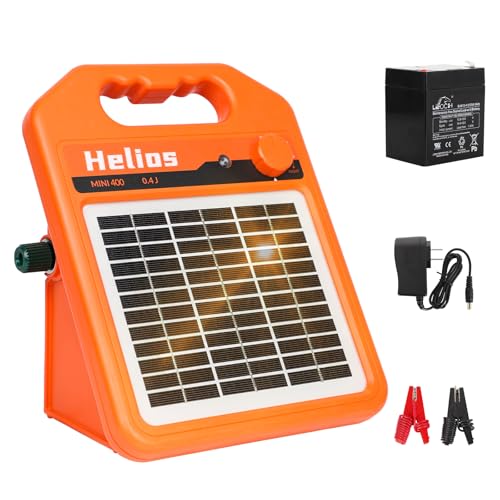
The ANDMON MINI400 delivers higher capacity in a compact solar-powered unit, capable of powering up to 30 miles of fence, depending on configuration. It includes day and night modes to optimize power use and is easy to install with compatibility for multiple post types. This makes it suitable for larger parcels or multi-zone fencing that relies on solar power. Caution: effectiveness varies with wire type and fence layout; consult installation guidelines for best results.
Who it’s best for: operators needing substantial solar-powered fencing in distributed pastures. Why selected: long-range capability in a portable solar charger. Caution: performance depends on weather and setup specifics.
Buying Guide: Portable Fencing Essentials
What type of livestock will you contain?
Consider animal size, temperament, and typical fencing height. Larger livestock may need higher, sturdier systems, while smaller herds can work with lighter, portable options. Multi-wire setups (like four-wire systems) tend to offer better control with less training for animals.
Power source considerations
Decide between battery-powered, solar-powered, or mains-powered solutions. Solar options are ideal for off-grid pastures and seasonal use, but require sun exposure and proper grounding. Battery or mains-powered units can deliver steady power but may need more infrastructure.
Portability versus durability
Lightweight, quick-install kits are great for temporary setups and markets. Heavier, modular nets and panels provide durability for longer-term use but can be less portable. Consider storage space, transport means, and how often you’ll relocate fences.
Layout and expandability
Think about how you’ll expand the fence in the field. Some systems allow adding posts and wires easily, while others are fixed-length. Netting and folding panels can be reconfigured to fit irregular terrains.
Safety and maintenance
Ensure fencing height, wire spacing, and electrical output are appropriate for your livestock. Regular checks of posts, connectors, and wiring prevent sagging and accidental escapes. Keep chargers and batteries protected from weather and moisture.
Budget and long-term costs
While initial setup matters, factor in ongoing costs for replacement parts, batteries, or chargers. Some products require separate chargers or grounding rods. Compare total cost of ownership over seasons rather than upfront price alone.
Frequently Asked Questions
- What is the best portable fence for rotating pastures? A self-contained, multi-wire system with quick deployment is ideal, such as Gallagher Smart Fence 2, which offers plug-and-play portability for rotational grazing scenarios.
- Do solar fence chargers work in overcast weather? Solar chargers rely on light to generate power, but many include internal batteries and low-light efficiency features. Performance may vary in consistently cloudy conditions.
- Can electric fence nets be used for large cattle farms? Yes, electric fence nets with durable posts can cover sizable areas, but plan for expanded length and higher support in longer runs to limit sagging.
- Is it okay to run multiple portable fences in one pasture? Yes, but ensure each section has proper grounding and compliant spacing to avoid confusion for animals and maintain safety.
- What precautions safeguard animals near portable fences? Use appropriate wire heights, consistent voltage, and secure ground connections. Regularly inspect posts and connections for integrity before use.
- What should I consider when choosing a portable fence charger? Assess output (miles of fence powered), voltage stability, weather resistance, and compatibility with your chosen fence type (polywire, netting, or panels).