Best Prairie Grass and Wildflower Seed Mixes for Pollinator Gardens
Answering your search for a prairie-style seed mix, this guide highlights five well-rounded options that support pollinators, reduce maintenance, and suit common American yard conditions. Each product is described with who it’s best for, why it was chosen, and a practical caveat. A quick summary table is included to help buyers compare at a glance.
| Product | Best For | Why It Stands Out |
|---|---|---|
| Hale Habitat & Seed Native Grass & Wildflower Refuge | Naturalist yards seeking 1/4 acre coverage | High pure-live-seed content; habitat-focused mix |
| Jonathan Green Wildflower & Meadow Grass Mix | Sloped or poor-soil areas needing color | 25+ annuals/perennials; reseeds for ongoing color |
| Eden Brothers All Perennial Wildflower Seed Mix | Pollinator-friendly gardens with diverse blooms | 19 easy-to-grow species; non-GMO; zones 3-10 |
| Outsidepride Perennial Tall Native Grass Seed Mix | Drought-tolerant, erosion-prone landscapes | Big Bluestem, Switchgrass, Indian Grass mix; erosion control |
| HOME GROWN Midwest Wildflower Seeds Mix | Bees, birds, butterflies in Midwest gardens | 65,000+ seeds; 24 varieties; high germination |
Hale Habitat & Seed Native Grass & Wildflower Refuge

Best for wildlife habitat projects on a quarter-acre scale. This seed mix is designed to maximize growth and habitat value with certified seed. The package note highlights higher seed content per bag, which supports quicker establishment in suitable sites. Use this if you want a ready-to-plant, habitat-focused blend that covers a sizable area.
Who it’s for: property owners planning a habitat-forward area or a pollinator-friendly space with a substantial planting footprint. Why selected: strong seed integrity and a purpose-built blend for habitat creation.
Caution: Limited detail on exact species composition in the product description; verify seed types if you need specific native species.
Jonathan Green Wildflower & Meadow Grass Mix
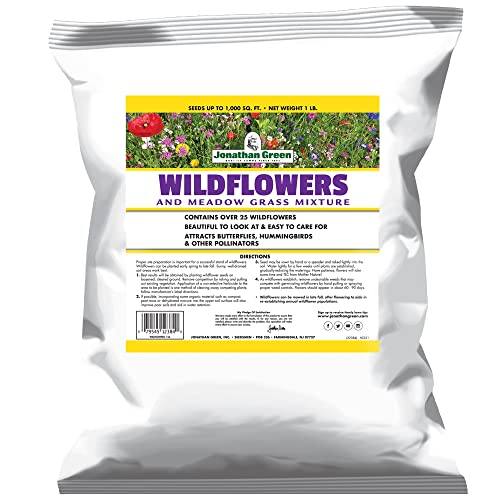
Best for slopes and poor soils where mowing is not desired. This mix emphasizes a visual landscape with 25+ wildflowers and grasses, offering reseeding that enhances color year after year. It’s suitable for areas that require minimal maintenance while delivering a natural meadow feel.
Who it’s for: homeowners with challenging terrain who want a low-maintenance yet vibrant ground cover. Why selected: combination of wildflowers and hard fescue with reseeding potential.
Caution: Reseeding can vary by climate; some areas may experience uneven blooms during first seasons.
Eden Brothers All Perennial Wildflower Seed Mix

Best for a biodiverse, pollinator-friendly garden with long-term color. This mix contains 19 species, including many perennial varieties, which helps sustain blooms across growing seasons. A strong choice for anyone seeking a low-maintenance, wildlife-attracting landscape.
Who it’s for: gardeners desiring a broad selection of perennials that return annually. Why selected: non-GMO seeds with a proven mix designed to attract pollinators.
Caution: May require year-to-year maintenance to ensure persistent coverage in certain climates.
Outsidepride Perennial Tall Native Grass Seed Mix

Best for a tall, native grassy backdrop that supports erosion control and wildlife habitat. The blend includes Big Bluestem, Little Bluestem, Switchgrass, and Indian Grass, each contributing to a resilient prairie landscape with deep-rooted grasses.
Who it’s for: homeowners seeking drought tolerance, soil stabilization, and a dramatic vertical element. Why selected: strong erosion control and suitability for larger areas or hydroseeding.
Caution: This is primarily a grass seed blend; if you want flowers, plan to add a complementary flowering mix.
HOME GROWN Midwest Wildflower Seeds Mix

Best for Midwest gardens aiming to attract bees, birds, and butterflies with 24 prairie wildflower varieties. The mix emphasizes high germination and includes perennial components for repeated blooms across seasons.
Who it’s for: homeowners wanting a vibrant, bee-friendly display with a robust germination rate. Why selected: strong variety count and suitability for Midwest climates.
Caution: Success depends on proper soil preparation and timing; follow sowing instructions for best results.
Buying Guide
What to consider when choosing a prairie seed mix:
- Climate and hardiness: Choose mixes labeled for USDA zones matching your location; some blends are zone-specific while others are universal.
- Balance of grasses and flowers: Decide whether you want a pond- or hillside-friendly grass-dominated landscape or a floral meadow full of pollinators.
- Soil and slope: Poor soil or slopes benefit from mixes that include erosion-control grasses and drought-tolerant species.
- Maintenance needs: Perennial-heavy mixes reduce replanting; annuals deliver quick color but may require reseeding.
- Pollinator value: Flower variety and bloom timing influence bee, butterfly, and bird attraction across seasons.
- Seed quality: Look for non-GMO and certified seed where available; higher pure-live-seed content generally yields better establishment.
Practical tips for success
- Prepare soil by clearing weeds and loosening the top several inches before sowing.
- Scatter seed evenly and lightly rake to ensure good soil contact.
- Water consistently during germination and establish a deep, infrequent watering schedule after establishment.
- Mulch or straw can help retain moisture in hot climates and reduce erosion on slopes.
- Observe first growing season blooms and plan for complementary plantings if needed.
FAQ
- What is the difference between an annual and a perennial wildflower mix?
Annuals bloom in their first year and may require reseeding, while perennials come back year after year, reducing replanting needs.
- Is a mix with more grasses better for erosion control?
Yes. Grasses with deep roots stabilize soil and help prevent erosion, especially on slopes and in windy areas.
- Can I sow these mixes in both sun and shade?
Most prairie mixes prefer full sun; shade tolerance varies by species, so check the product details for shade suitability.
- How should I choose a mix for pollinators?
Look for diverse nectar sources, bloom times across seasons, and a high number of flowering species.
- Will these seeds reseed themselves every year?
Many mixes include annuals and perennials that reseed; success depends on climate and maintenance practices.
- Do these products come with detailed planting instructions?
Yes, most listings include sowing guidelines; follow them for best results in your region.