Best Pre-Emergent for Nutsedge: Top Picks to Prevent Nutgrass Growth in Lawns
Protecting lawns from nutsedge requires effective pre-emergent options that target this stubborn weed before it sprouts. The following selections emphasize formulations known for nutsedge control, broad-spectrum weed prevention, and user-friendly application. This guide compares five top-rated products, highlighting coverage, active ingredients, and applicability to common American lawns. Use this to inform your pre-emergent strategy and maintain a healthy, weed-light turf throughout the growing season.
| Product | Brand | Coverage | Active Ingredient | Notes |
|---|---|---|---|---|
| Yard Mastery Dimension Pre-Emergent (18 lb) | Yard Mastery | Up to 6,000 sq ft | Dithiopyr | Crabgrass and broadleaf weed prevention; 0-0-7 base |
| Agrisel Sulfentrazone 4F | Agrisel | Varies by area | Sulfentrazone | Pre- and post-emergent broad-spectrum; includes gloves |
| The Andersons Barricade (18 lb) | The Andersons | Up to 5,800 sq ft | Prodiamine | Professional-grade, dispersible granule |
| Yard Mastery Dimension Pre-Emergent (45 lb) | Yard Mastery | Up to 15,000 sq ft | Dithiopyr | Large-area coverage; 0-0-7 base |
| 0-0-7 Granular Prodiamine (18 lbs) | Yard Mastery | Up to 6,000 sq ft | Prodiamine | Crabgrass and POA prevention; versatile |
Yard Mastery Dimension Pre-Emergent (18 lb)

Yard Mastery’s Dimension pre-emergent uses Dithiopyr to prevent weed germination, offering coverage up to 6,000 square feet. The 0-0-7 fertilizer base helps support potassium uptake without accelerating growth, making it suitable for a wide range of home lawns. This product is particularly noted for stopping crabgrass and broadleaf weeds before they appear, creating a barrier that helps maintain turf health across medium-sized properties. For homeowners with already-weedy lawns, timing applications early in the season is essential for best results.
Agrisel Sulfentrazone 4F Pre- and Post-Emergent

Agrisel Sulfentrazone 4F combines pre-emergent and post-emergent action to stop 100+ weeds, including crabgrass, creeping Charlie, and more. Its broad-spectrum capability makes it a versatile option for lawns and gardens alike. The product is designed to be cost-effective with low usage rates, fitting both small and large application areas. It ships as an 8-ounce bottle with protective gloves, emphasizing user safety and ease of use for homeowners or professional crews managing multi-zone landscapes. This option suits scenarios where nutgrass pressure coincides with other weed challenges.
The Andersons Barricade Professional-Grade (18 lb)

Barricade from The Andersons uses prodiamine in a patented dispersible granule format that dissolves rapidly with watering. It is designed to prevent both grassy and broadleaf weeds, including crabgrass, poa annua, and goosegrass, among others. This professional-grade product is well-suited for early spring and fall apps, providing a strong soil-acting barrier. While it does not eliminate existing weeds, its preventive action reduces germination, helping to maintain clean turf with fewer weed invasions over the season. The 18-pound bag targets medium to larger lawn areas efficiently.
Yard Mastery Dimension Pre-Emergent (45 lb)
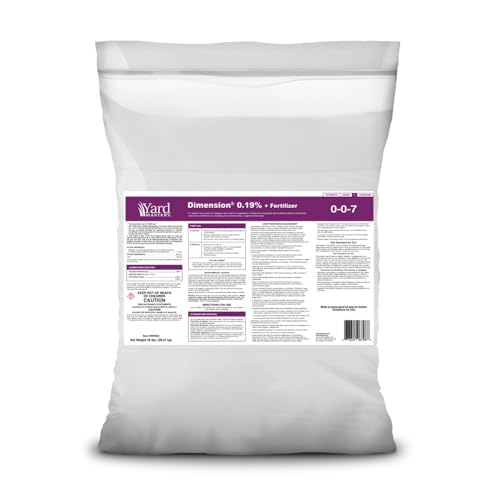
This larger-format Dimension pre-emergent extends coverage to about 15,000 square feet, making it a practical choice for bigger lots or for homeowners who prefer fewer applications per season. The active ingredient is Dithiopyr, known for preventing crabgrass and broadleaf weeds before germination. The 0-0-7 fertilizer base supports turf health without driving excessive growth, aligning with maintenance programs that emphasize steady, unobtrusive lawn development. Its substantial bag size translates to lower per-area costs for substantial landscapes.
0-0-7 Granular Prodiamine (18 lbs)

This Yard Mastery pre-emergent focuses on prodiamine-based prevention, targeting crabgrass, POA annua, and a broad spectrum of common lawn weeds. The 18-pound format covers up to 6,000 square feet with an all-grass compatibility note, making it a flexible option for diverse turf types. The product emphasizes prevention, strong soil penetration, and user-friendly mixing and application, which makes it suitable for both DIY homeowners and small landscape services. As with other pre-emergents, timely application ahead of weed germination yields best results.
Buying Guide: Key Considerations For Nutsedge Prevention
- Active ingredient efficacy: Nutsedge is a sedge, not a grass, so consult products with proven activity against sedges and common lawn weeds. Prodiamine and Dithiopyr are widely recognized for broad-spectrum pre-emergent control, while sulfentrazone adds post-emergent flexibility in some blends.
- Soil and climate compatibility: Temperature and soil type influence pre-emergent performance. Early-season applications before soil temperatures rise typically yield better germination control for crabgrass, annual bluegrass, and sedges.
- Coverage and bag size: For larger yards, consider higher-volume bags (e.g., 45 lb) to reduce application frequency. Check sq ft coverage per bag and per bag price to estimate annual cost per square foot.
- Effect on existing vegetation: Pre-emergents block weed germination but do not eliminate established plants. If nutsedge is already present, pair a pre-emergent with a post-emergent option or turf-specific care to address existing patches.
- Safety and compatibility: Many products include protective gloves or safety instructions. Ensure compatibility with your grass type and irrigation plans to maximize granule dissolution and soil uptake.
- Application method: Granular pre-emergents wash into the soil with watering. Plan irrigation within 24 hours after application if required and follow label directions for timing and rate to minimize run-off and environmental impact.
- Seasonal planning: Combine a first-year preventive plan with a long-term maintenance calendar. For larger properties, stagger applications to maintain weed suppression without stressing the turf.
- Environmental considerations: Some active ingredients may affect pollinators or non-target plants. Apply during appropriate weather conditions and follow buffer guidelines near ornamentals or edible gardens.
Additional Considerations and Perspectives
Effective nutsedge prevention often benefits from an integrated approach that combines preventive chemistry with cultural practices. Maintaining proper mowing height, irrigation management, and aeration supports a healthier root system, reducing the opportunity for sedges to establish. Homeowners should consider soil testing to tailor nutrient management to turf needs, potentially enhancing the deterrent effect of pre-emergents. For lawns with existing sedge patches, consult local extension services or a lawn care professional to determine whether a post-emergent treatment should accompany preventive measures for optimal results.