Best Purple and White Crocus Bulbs for Spring Color
Answering the search intent directly: this guide highlights purple and white crocus bulbs that bloom in early spring, ideal for gardeners who want vibrant, low-maintenance color that naturalizes over time. The top picks include a saffron crocus for culinary color, mixed color crocus bulbs for quick splashes of purple and white, and versatile perennial crocus varieties suitable for borders, rock gardens, or containers. Each option suits different buyers—from beginner planters seeking easy growth to experienced gardeners aiming for repeat blooms year after year. Below, compare five strong choices and find the best fit for your yard or indoor display.
| Product | Best For | Why It Stands Out | Notes |
|---|---|---|---|
| Saffron Crocus Corms for Planting – 10 Large Corms | Gardeners seeking edible spice crops | Purple blooms with red stigmas yield saffron; reliable autumn planting | Includes 10 corms; zones 5-9 |
| Blue Moon Mix Crocus 20 Bulbs | Colorful borders and planters | Blue and purple blooms add striking color; easy to grow | Perennial; suitable for many gardens |
| 100 Bulbs – Mixed Crocus Bulbs | Front gardens and mass plantings | Wide mix including purple, white, and yellow | Non-exclusive claim of authenticity; zones 3-8 |
| Crocus Species Mix – 10 Large Bulbs | Beginners and containers | Early spring color with purple, white, yellow | Versatile planting options |
| Crocus Species Mix Bulbs – 20 Perennial Bulbs | Long-term color in perennial beds | Colorful mix; returns year after year | Includes multiple colors; zones 3-8 |
Each product below includes a direct link to Amazon for quick access. Use the information to decide which option best matches your climate, sun exposure, and gardening goals.
Saffron Crocus Corms For Planting
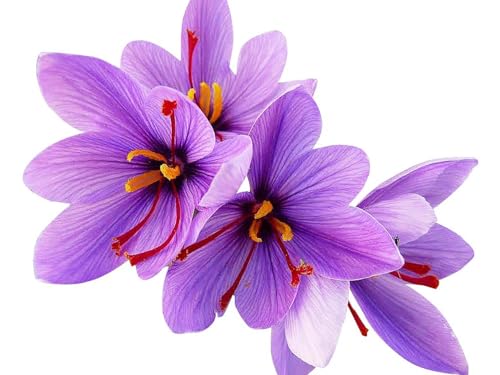
Best for edible gardens and spice enthusiasts. This saffron crocus option offers purple blooms with vivid red stigmas that yield saffron strands. The bulbs are stored in temperature-controlled refrigeration to support reliable germination and a strong start for healthy, productive plants. Plant in fall for a rich harvest in late autumn, in full sun and well-drained soil. Height reaches 4-6 inches and is suited to zones 5-9. Naturally naturalizes over time to increase harvests. Includes 10 corms, making it a standout for spice-focused growing.
Who it’s best for: cooks, herb gardeners, and anyone seeking a unique edible flower. Why selected: it combines ornamental value with culinary payoff, expanding use beyond aesthetics. Caution: saffron production depends on careful harvest timing and proper handling of stigmas after bloom.
Blue Moon Mix Crocus 20 Bulbs
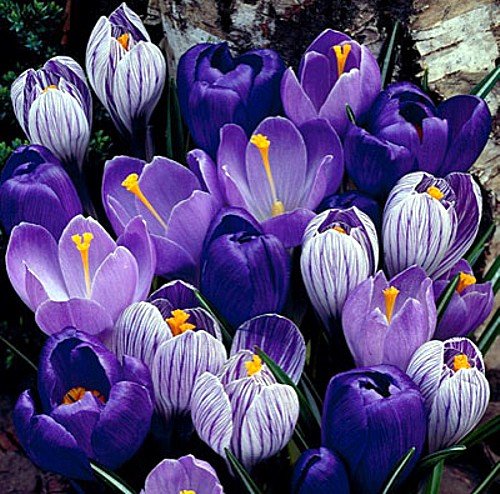
Best for color-focused beds and containers. This mix offers a vibrant combination of blues and purples that create a dramatic early-season display. Easy to grow and suitable for beginners and experienced gardeners alike. The variety is perennial, returning each year with proper care, making it a reliable choice for ongoing spring color.
Who it’s best for: gardeners seeking quick, vivid color without advanced care. Why selected: the mix provides high visual impact with minimal effort. Caution: color balance may vary year to year, depending on bulb spacing and microclimate.
100 Bulbs – Mixed Crocus Bulbs

Best for broad color variety in a single package. This mix includes purple, white, and yellow crocus blooms, offering a playful palette for mass plantings along walkways or in bed borders. The bulbs are hardy and designed to naturalize over time, providing perennial enjoyment. Suitable for zones 3-8, making it a versatile option for many American gardens.
Who it’s best for: planners seeking an easy, multi-color display. Why selected: broad color spectrum in one package reduces guesswork. Caution: as a mixed collection, exact color distribution may vary between plantings.
Crocus Species Mix – 10 Large Bulbs

Best for beginners and container planting. This 10-bulb mix delivers early spring color with a combination of purple, white, and yellow blooms. The bulbs are versatile for beds, borders, rock gardens, or pots, and are perennial, returning year after year with care.
Who it’s best for: new gardeners or those focusing on container aesthetics. Why selected: simple, reliable way to establish early-season color. Caution: limited quantity may require reordering after a couple of seasons for continuous color.
Crocus Species Mix Bulbs – 20 Perennial Bulbs

Best for long-term color in mixed perennial beds. This 20-bulb assortment offers purple, white, and yellow flowers, boosting early spring interest. Crocuses in this mix are perennial in zones 3-8 and will return and multiply each year, increasing garden color over time.
Who it’s best for: seasoned planters seeking durable, repeat bloom. Why selected: higher bulb count for larger displays and self-sustaining color. Caution: variety distribution may vary, and some bulbs may require specific planting depth for best performance.
Buying Guide: Key Crocus Planting Considerations
What should you consider when choosing purple and white crocus bulbs?
- Climate and hardiness: Most crocuses thrive in zones 3-8; choose varieties that match your climate for reliable return.
- Color mix vs. single color: Decide if you want a cohesive color scheme (all purple and white) or a varied palette for bold contrast.
- Sun exposure: Crocuses perform best in full sun to light shade; ensure planting beds receive adequate sunlight in early spring.
- Soil drainage: Well-drained soil prevents bulb rot; amend heavy soils with organic matter if needed.
- Planting depth and spacing: Plant bulbs 3-4 inches deep with 3-4 inches spacing for most species; follow product-specific guidance when available.
- Naturalization: If you want ongoing color, select perennial crocus varieties known to naturalize in your zone.
- Container vs. ground plantings: For indoor forcing or small spaces, pre-chilled or forcing bulbs work well in pots or bowls.
How to care for purple and white crocus bulbs
- Water: Keep soil evenly moist during establishment but avoid waterlogging.
- Fertilization: Apply a balanced bulb fertilizer at planting and lightly in early spring as blooms emerge.
- Post-bloom care: Allow foliage to yellow naturally to nourish bulbs for next season; avoid heavy trimming immediately after flowering.
FAQ
- When do crocus bulbs typically bloom?
Most crocuses bloom in early spring, often before or with early daffodils, depending on weather and variety. - Can crocus bulbs naturalize in my yard?
Yes, many crocus varieties are perennial and will multiply over time in suitable climates. - Are saffron crocus bulbs safe for edible use?
Yes, saffron crocus stigmas yield the spice saffron when harvested correctly, but this requires careful handling and timing. - Should I plant crocus bulbs in pots or in the ground?
Both work. Pots are great for indoor forcing or small spaces; in-ground plantings support larger displays and naturalization. - What is the best sunlight for crocuses?
Most crocuses perform best in full sun to partial shade, with well-drained soil. - Do these bulbs require pre-chilling?
Some varieties benefit from pre-chilling for earlier or more reliable forcing, while others can be planted outdoors directly in fall.