Best PVC Fencing for Horses: Durable, Safe Pasture Fencing
Answering the question of how to safely contain horses with minimal maintenance, PVC-coated welded wire and galvanized options provide durable, rust-resistant fencing for pastures and yards. This guide highlights top picks best suited for equine yards, from high-tall options ideal for larger horses to versatile panels for farm perimeters. The selections focus on safety, visibility, and long-term cost effectiveness, and they are organized to help buyers compare suitability for horses, goats, and other livestock.
Who each top product is best for:
– Heavy horse owners needing tall, secure fencing
– Smaller yards seeking flexible, easy-to-install solutions
– Multi-use farms requiring durable panels for livestock and property delineation
– Budget-conscious buyers who still want rust resistance and longevity
| Product | Height | Mesh | Best For |
|---|---|---|---|
| Black PVC Coated Welded Wire Fencing 72in x 100ft | 72 in | 2″ x 3″ | Tall pasture boundaries for larger horses |
| Black PVC Coated Welded Wire Fencing 48in x 100ft | 48 in | 2″ x 4″ | Med-size paddocks and property dividers |
| Gisafai 16 GA PVC Coated Welded Wire Fence 4ft x 50ft | 4 ft | 2.36″ x 2.36″ | Compact horse paddocks; strong, visibility-friendly fence |
| Cattle Panel 4ft x 328ft with 8in–3.5in Mesh | 4 ft | 8″ to 3.5″ | Versatile livestock and pasture enclosure |
| Black PVC Coated Welded Wire Fence 60in x 50ft | 60 in | 2″ x 3″ | Medium-height perimeter fences and yard containment |
Black PVC Coated Welded Wire Fencing, 72in High x 100ft Long
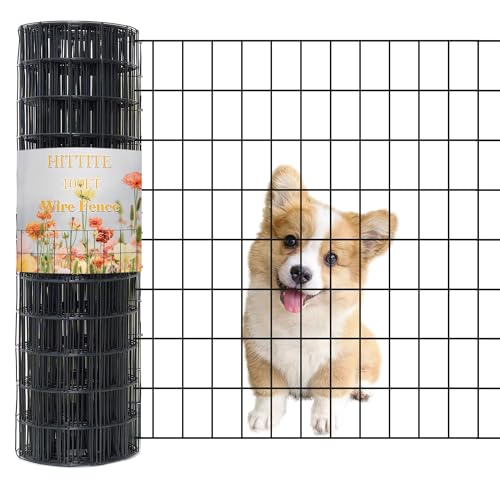
Best for tall pasture boundaries where horses may lean or push. This 72-inch height offers a strong barrier with a 2″ x 3″ mesh to help prevent larger animals from grasping or stepping through. The wire is galvanized inside and vinyl-coated outside, delivering double rust resistance for longevity in varied climates. Best for sizable horses or yards needing a high, sturdy option. A caution: edge cuts may be sharp when cut; wear gloves during installation to avoid injury.
Black PVC Coated Welded Wire Fencing, 48in High x 100ft Long
Better for medium-sized paddocks where a lower fence suffices or where you need to maximize visibility while maintaining containment. The 14GA wire with double coating yields strong resistance to weather and corrosion. The 2″ x 4″ mesh height helps keep smaller animals from passing through while remaining affordable. Choose this if you have a compact space or need frequent reconfiguration, and avoid it if you require tall, maximum-security fencing for larger horses.
Gisafai 16 Gauge PVC Coated Welded Wire Fence 4ft x 50ft

Best for versatile use on smaller isles or paddocks where horses are managed in a compact area. The 16GA galvanized wire with a double PVC coating resists rust and UV exposure. The 2.36″ square mesh balances visibility with animal protection, helping prevent escape while allowing airflow. This option is well-suited for multi-use farms and preserves sightlines around pastures. Limitation: may require more frequent maintenance in very windy or abrasive environments due to panel size.
Cattle Panel 4ft x 328ft with 8in–3.5in Mesh
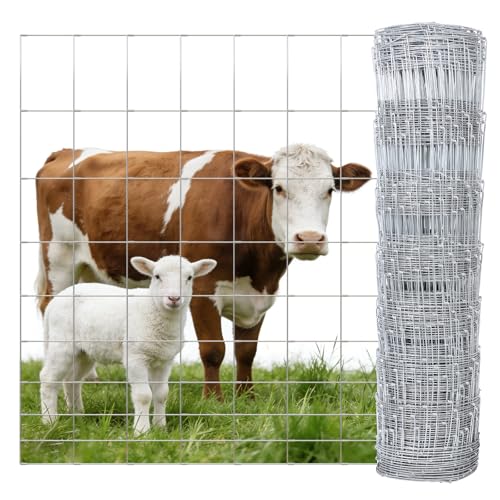
Selected for its all-in-one utility across livestock and property fencing, this 4-foot panel can serve as a horse barrier, goat yard, or field fence. The tapered mesh (8″ top to 3.5″ bottom) helps maintain visibility while preventing escape. It’s ideal for larger farms needing scalable fencing, though installation may require heavier support for long runs and wind resistance. Best for: farms seeking a robust, multi-use solution rather than a lightweight yard fence.
Black PVC Coated Welded Wire Fence, 60in x 50ft

Better for medium-height fencing in smaller pastures or yard perimeters. The 60-inch height provides a solid barrier for general containment, while the 2″ x 3″ mesh helps prevent hoof entrapment and keeps horses from leaning over. The double-coated finish improves rust resistance for varied climates. Choose this if you need a versatile, mid-range option and avoid if you require a taller solution for bigger horses or very windy sites.
Buying Guide
What fencing height do horses need?
Height depends on your horse size, temperament, and land layout. Taller fences (around 5-6 feet) are often used for larger breeds or to deter leaning. Mid-height options (4-5 feet) suit many horses, while lower fences (3-4 feet) may be appropriate for smaller yards or containment within a larger pasture. Always consider local fencing regulations and safety standards.
What mesh size is safest for horses?
Smaller mesh sizes can help prevent limb entanglement and reduce the risk of getting caught. Mesh around 2″ x 3″ or 2.36″ x 2.36″ is common for equine fencing, offering a balance between visibility and containment. Larger mesh can increase escape risk and may require additional vertical supports.
What materials offer the best longevity?
Double-coated PVC over galvanized wire provides excellent rust resistance and longevity in outdoor settings. PVC coatings guard against UV damage and weathering, while galvanized cores resist corrosion inside. This combination is favored for low maintenance and longer fence life in varying climates.
What installation considerations matter?
Flexibility and ease of use are important. Look for fences that are easy to cut to size, have clear edge protection, and include simple anchoring methods. Gloves are recommended when cutting due to sharp edges. Ensure posts or panels have secure anchorage to withstand horse pressure and wind.
What about multi-use or future expansion?
For farms that need versatility, consider panels that can be reconfigured or reused in different layouts, such as cattle panels that can double as horse boundaries or property perimeters. Durability and modularity help manage long-term maintenance costs and adapt to changing needs.
Safety considerations
Avoid sharp exposed edges after cutting. Provide proper end caps or smooth-edge installation wherever possible. Observe horses for signs of distress around fencing and adjust as needed to prevent injuries or escape attempts.
How to compare options quickly?
- Use height and mesh size as primary containment indicators.
- Check coating type for rust resistance and weather durability.
- Consider total length and modularity for future expansion.
- Evaluate ease of installation and maintenance requirements.
FAQ
- What fencing is best for large horses?
- Can PVC-coated fencing withstand horse hooves?
- Is PVC fencing safe for horses with long noses or tails?
- Should I use panels or rolls for horse fencing?
- What maintenance is required?
- How do I choose between 72″ and 60″ fencing?
High, durable PVC-coated or galvanized welded wire fencing (around 5-6 feet) with tight mesh helps prevent attempts to lean or push through and reduces escape risk.
Yes, when properly installed. The 16GA or 14-16 gauge cores with a double vinyl coating resist impact and rust, providing long-term durability.
Yes, provided the fence edges are smooth and properly installed. Short mesh and adequate height reduce injury risk from collisions.
Panels offer quick installation and robust stability for fixed boundaries, while rolls provide flexible customization for irregular layouts or temporary enclosures.
Check for damaged edges, tighten fasteners, and inspect coatings for wear. Clean surfaces periodically to prevent buildup and inspect for rust or vinyl cracking.
Choose 72″ for large horses or high-traffic areas where more head clearance is desired. Use 60″ when space or budget constraints exist, or for smaller horses in controlled paddocks.
Buying considerations summarized: height needs, mesh size, coating durability, installation ease, and future flexibility. The highlighted products offer practical options for various pasture sizes and horse sizes, with clear trade-offs between height, mesh, and cost. They are suitable for American farms seeking long-lasting, low-maintenance fencing that keeps horses secure while maintaining visibility and airflow.