Best Raised Beds for Gardening: Durable Options to Grow More in Less Space
Raised beds can boost yields, improve soil quality, and simplify maintenance for American gardeners. This guide highlights five top picks that balance durability, ease of assembly, and planting versatility. Each product is evaluated for depth, material, drainage, and overall value, helping you choose the right raised bed for vegetables, herbs, and flowers. The selections below cover metal and wood frames, with options for mobility and large volumes to suit backyards, balconies, and patios.
| Product | Size | Material | Depth | Notes |
|---|---|---|---|---|
| Best Choice 8x4x2ft Metal Bed | 8×4 ft | Powder-coated steel | 2 ft | Deep root beds, open base |
| Best Choice 72x24x30in Wood Bed | 72×24 in | Chinese fir wood | 30 in | All-wood, elevated stand |
| Best Choice 6x3x2ft Metal Bed | 6×3 ft | Powder-coated steel | 2 ft | Sturdy and deep |
| Land Guard 8x4x2 ft Galvanized Bed | 8×4 ft | Galvanized steel | 2 ft | Large volume, durable |
| LEETOLLA Elevate 32” Tall Bed | 32 in tall | Powder-coated steel | 30 in | Mobility with wheels |
Best Choice 8x4x2ft Outdoor Metal Raised Garden Bed
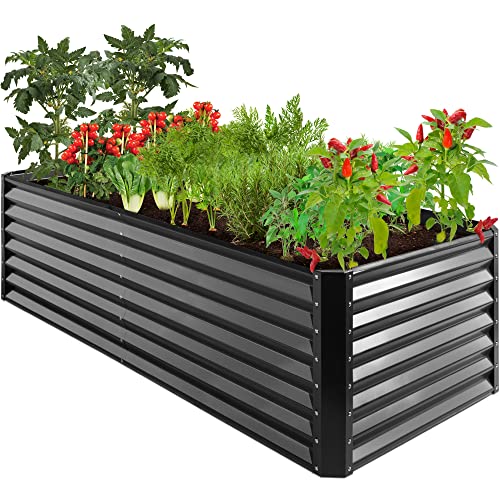
The Best Choice 8x4x2ft metal raised bed features 24 inches of depth, enabling deep-root plants and vegetables such as broccoli and beans. Its 478-gallon soil capacity supports substantial planting space. An open base promotes improved soil layering and composting potential, turning yard waste and kitchen scraps into enriched soil. Assembly is tool-free, with beveled steel panels and included wingnuts, bolts, and rubber edging for added protection. This design prioritizes durability and soil health for long-term garden beds.
Best Choice 72x24x30in Elevated Wood Bed
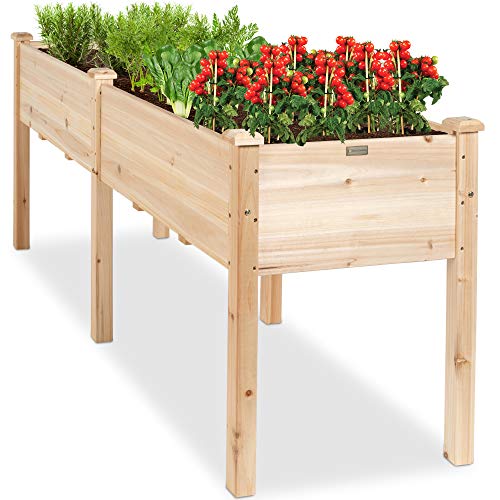
This all-wood, elevated planter box sits on six legs for easy access and improved drainage. With 8.4 cubic feet of planting space, it supports a wide range of flowers, herbs, and vegetables. Six drainage holes facilitate aeration and prevent waterlogging, encouraging healthier root systems. The durable Chinese fir wood construction helps resist warping in varying weather, making it a practical outdoor solution for patios, balconies, and backyards.
Best Choice 6x3x2ft Deep Metal Bed
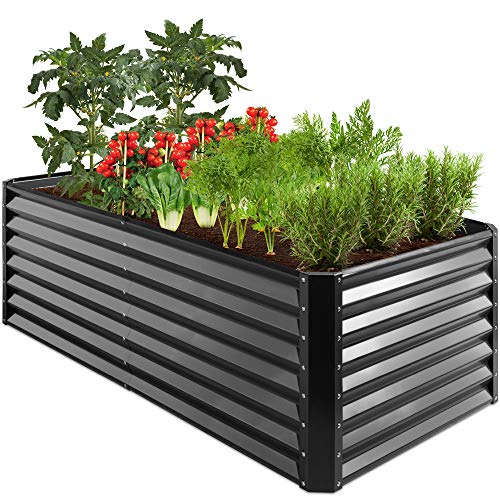
With 24 inches of growing depth and 269 gallons of soil capacity, this metal raised bed supports medium to deep-root crops like lettuce, cucumbers, and beans. The tool-free assembly uses beveled steel panels and rubber-edged joints for safe handling. Built from powder-coated steel, it offers rugged durability suitable for year-round gardening in backyards or community plots. A lower panel is not included, enabling robust bottom liner options if desired.
Land Guard 8x4x2 ft Galvanized Bed

This galvanized steel bed features an expansive 8x4x2 ft footprint and a 24-inch depth, delivering a substantial planting volume estimated around 396 gallons. The galvanized coating resists rust and corrosion, and reinforced cross bars plus fixed piles help preserve shape and reduce soil leakage over time. Environmentally friendly paint on all parts minimizes soil contamination while offering a robust, long-lasting garden solution for vegetables and ornamentals.
LEETOLLA Elevate 32” Tall Bed On Wheels

The LEETOLLA Elevate bed combines mobility and practicality with 400 pounds of soil capacity and a 32-inch height. It features a dual-wheel setup and an ergonomic handle, making it easier to move heavy soil and plants. A dual-layer drainage system (five holes plus cross lines) provides superior drainage and root aeration, reducing the risk of waterlogging and promoting healthier plant growth. This option suits compact spaces where accessibility is a priority, such as balconies or small patios.
Buying Guide: Key Purchase Considerations
- Material and durability: Choose steel for longevity and weather resistance, or wood for a natural look and easier customization. Galvanized metal offers rust resistance, while powder-coated finishes reduce surface wear.
- Depth and volume: Deeper beds (18–24 inches) support root crops like carrots and broccoli; larger footprints (8×4 ft and similar) can accommodate a wide mix of vegetables and ornamentals.
- Drainage and base design: An open base or drainage holes prevent rot and improve soil aeration; consider raised stands with legs for air circulation and easier weeding.
- Assembly and maintenance: Tool-free or minimal-assembly beds save time. Look for resin-free, low-maintenance materials, and consider bottom liners if pests or moisture are concerns.
- Mobility needs: If you have limited space or require seasonal repositioning, choose beds with wheels or light-weight frames that maintain stability.
- Soil compatibility: Some raised beds support standard garden soil blends; others are designed for compost-rich mixes. Plan to amend soil with compost, perlite, or vermiculite to optimize drainage and nutrients.
- Budget and aesthetics: Metal frames offer a modern look with high durability, while wood beds blend with natural landscapes; color and finish can influence integration with your space.
When selecting a raised bed, align the dimensions, material, and depth with the types of plants you intend to grow, the climate, and the available space. The options above provide a range of capabilities—from deep-root vegetable cultivation to mobile, space-saving herb beds—so you can tailor your setup to maximize yield and ease of maintenance.