Best Raised Beds for Vegetables: Durable Options for Home Gardens
Raised beds make vegetable gardening cleaner, more productive, and easier on the back. The following selections focus on metal and wood frames designed to maximize soil volume, drainage, and longevity. Each option highlights deep growing space, sturdy construction, and practical assembly to help you grow hearty vegetables, herbs, and flowers with less maintenance. The list below presents five top picks that balance capacity, durability, and ease of use for American yards, patios, and community gardens.
| Product | Brand | Size / Capacity | Material |
|---|---|---|---|
| 6x3x2 ft Outdoor Metal Raised Garden Bed (Gray) | Best Choice Products | 6x3x2 ft; 269 gal capacity | Powder-coated steel |
| 72x24x30 in Raised Garden Bed (Natural) | Best Choice Products | 72x24x30 in | Wood (Chinese fir) |
| 8x4x2 ft Outdoor Metal Raised Garden Bed (Gray) | Best Choice Products | 8x4x2 ft; 478 gal capacity | Powder-coated steel |
| 6x3x2 ft Outdoor Metal Raised Garden Bed (Wood Grain) | Best Choice Products | 6x3x2 ft; 269 gal capacity | Powder-coated steel |
| 8x2x2 ft Raised Outdoor Metal Garden Bed (Gray) | Best Choice Products | 8x2x2 ft; 239 gal capacity | Powder-coated steel |
Note: The table highlights the core dimensions and materials to help you compare depth, volume, and compatibility with your garden layout. The listed features from each product emphasize ease of assembly, soil capacity, drainage, and longevity—key factors when choosing raised beds for vegetables in a variety of climates.
Best Choice 6x3x2 Ft Metal Raised Garden Bed
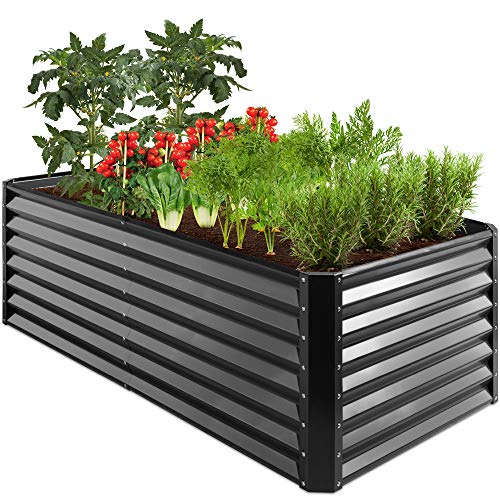
2 feet of growing depth provides ample soil for medium-to-deep rooted vegetables like broccoli and beans. The deep soil capacity supports robust root systems, enhancing plant vigor and yield. This bed uses beveled steel panels that assemble with wingnuts and bolts, and a rubber edge for added safety and comfort during assembly and use. Note that a bottom panel is not included, which promotes drainage and soil turnover in certain setups. The powder-coated steel construction is designed to resist weathering while maintaining a clean, modern look for outdoor spaces.
Best Choice 72x24x30 In Raised Garden Bed
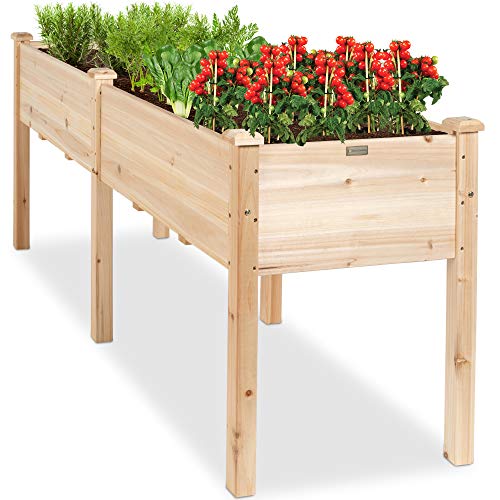
Designed as an elevated planter with a natural wood finish, this bed offers a spacious planting area—roughly 8.4 cubic feet of soil space—ideal for flowers, vegetables, and herbs. It includes six drainage holes to support aeration and prevent waterlogging, promoting long-term plant health. The all-wood construction uses Chinese fir for durability while remaining relatively lightweight for easy relocation. The design supports a comfortable gardening height and balances aesthetics with function, making it a strong option for patios and backyards alike.
Best Choice 8x4x2 Ft Metal Raised Bed
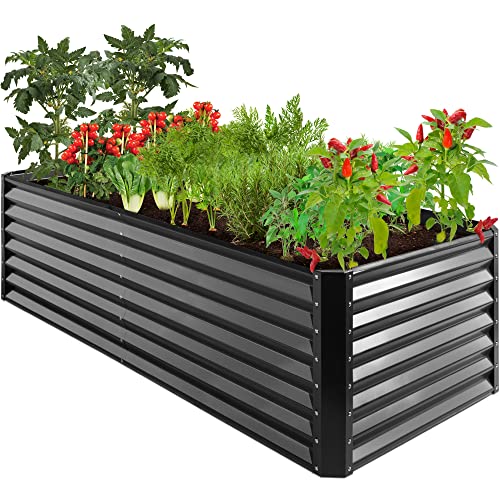
This larger metal raised bed provides 2 feet of growing depth, supporting up to 478 gallons of soil. Its open base design enables efficient drainage and allows you to create enriched soil by composting and layering yard waste and kitchen scraps directly beneath the frame. The tool-free assembly uses beveled steel panels with wingnuts and bolts, along with a rubber edge to protect the user and plant roots during setup and use. The extra depth is well suited for robust vegetables and deep-rooting crops in bigger outdoor spaces.
Best Choice 6x3x2 Ft Wood Grain Raised Bed

The 2-foot-deep bed matches the strength and simplicity of steel designs with a wood grain finish for a complementary look in many garden settings. It uses powder-coated steel panels that assemble with wingnuts and bolts, offering the same reliable, tool-free setup. This model is ideal for romaine lettuce, cucumbers, strawberries, and other seasonal crops, combining robust construction with an appealing exterior that blends with natural surroundings.
Best Choice 8x2x2 Ft Raised Outdoor Bed
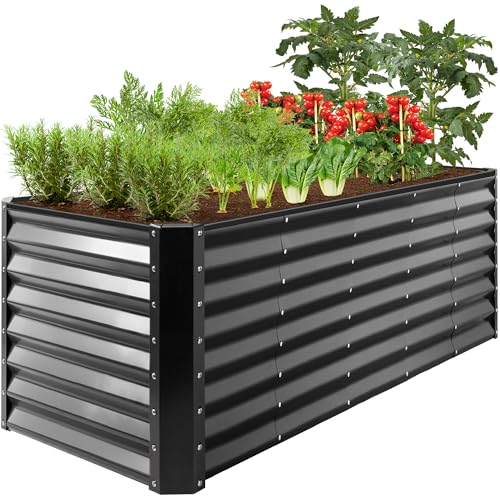
Designed with an open bottom to promote drainage and allow roots ready access to nutrients, this 239-gallon capacity bed is well suited for medium-to-deep-root crops like broccoli and beans. The kit includes tool-free assembly with beveled steel panels and rubber edging for safety. The open base supports soil management strategies such as compost layering, while the tall, sturdy frame provides long-term stability in various weather conditions.
Buying Guide: Key Purchase Considerations For Raised Beds
When selecting raised beds for vegetable gardening, consider depth, soil volume, and accessibility. Deeper beds accommodate a wider range of crops, including root vegetables, and they reduce the frequency of soil amendments. Look for weather-resistant materials, such as powder-coated steel, which resist rust and maintain a clean appearance in outdoor spaces. Open-bottom designs can improve drainage and soil turnover, but may require more careful weed control and ground preparation. Elevated wood beds offer aesthetic appeal and can be easier to assemble, though treated wood should be evaluated for any potential soil interactions.
Other important factors include assembly requirements, weight capacity, and the ease of moving or reconfiguring beds in response to sun exposure or seasonal shifts. Consider the climate and garden layout: if you have frequent rainfall or humidity, steel frames with powder coating often outperform untreated wood. For patios or decks, elevated designs with a compact footprint can maximize space without requiring a deep foundation. Drainage, aeration, and potential pest exposure all influence plant health and yield over time.
Durability and maintenance are also key. Metal beds generally offer long-term resistance to warping and insect damage, though they may heat up more quickly in hot summers. Wood beds tend to blend beautifully with natural surroundings and can be treated for longer life, but may require more ongoing upkeep to prevent rot. Finally, plan for accessibility: taller beds reduce bending and can improve ergonomics, especially for gardeners with limited mobility. Evaluating these factors will help you select a raised bed that best fits your vegetables, climate, and available space.