Best Cat Garden Repellents to Stop Cats Pooping in Your Yard
Answering the question, the best cat garden repellents are those that create a humane, long-lasting deterrent while remaining safe for people, pets, and plants. This guide highlights top options designed to discourage cats from pooping in your garden and yard. It targets homeowners, renters, and gardeners dealing with persistent outdoor feline visits. Each product is evaluated for ease of use, effectiveness, and safety, with clear notes on ideal scenarios and any limitations.
| Product | Brand | Best For |
|---|---|---|
| Bonide Go Away! Granules (1 lb) | Bonide | Small yards, flower beds, fresh install areas |
| NOAXWZG Cat Deterrent (10 Pack) | NOAXWZG | Long-term outdoor areas, multiple zones |
| EVSPWI Cat Repellent (8 Packs) | EVSPWI | Indoor & Outdoor use across furniture, gardens, entryways |
| Liquid Fence Dog & Cat Repellent (32-Ounce) | Liquid Fence | Lawn, shrubs, beds, and trash areas |
| Bonide Go Away! Granules (3 lb) | Bonide | Medium to large yards with multiple zones |
Bonide Go Away! Granules 1 lb

Bonide Go Away! uses natural actives such as cinnamon and thyme oils to deter cats, dogs, and rabbits from garden areas. It is marketed as a training aid to modify behavior and protect lawns, mulches, flower beds, and other forbidden zones. Best for smaller yards or targeted spots where cats tend to mark or roam. Caution: continuous use and animal behavior modification may require supplemental techniques to address ongoing habits.
NOAXWZG Cat Repellent Outdoor (10 Pack)

This deterrent relies on a blend of plant-based ingredients including camphor, peppermint, lemon, garlic, lemongrass, and bitter apple to emit an offensive scent for cats. It’s designed to protect yards, furniture, and plants year-round and is described as long-lasting even with irrigation and snowfall. Best for outdoor areas with recurring cat visits. Limitation: scent-based repellents may require reapplication after heavy rain or frequent exposure to wind.
EVSPWI Cat Repellent 8 Packs

EVSPWI offers a plant-based formula aimed at both indoor and outdoor use. It emphasizes safe ingredients for people, pets, and plants while covering furniture, gardens, entryways, and yards. Best for homeowners seeking a non-chemical appearance with consistent use and easy placement. Consideration: effectiveness depends on regular replenishment and consistent placement in problem zones.
EVSPWI Cat Repellent (8 Packs) — Indoor & Outdoor

This kit states protection for up to two months and covers areas up to 120 square feet per unit, making it suitable for furniture zones, garden edges, and entryways. Best for targeted, repeat visits where a low-maintenance barrier is preferred. Limitation: may require replenishment to maintain continuous protection in high-traffic areas.
Liquid Fence Dog & Cat Repellent Ready-to-Use

Liquid Fence provides a ready-to-use spray designed to mask familiar animal odors and deter marking in lawns, trees, shrubs, beds, and trash areas. Best for quick-year-round use where a spray application is convenient. Caution: frequent reapplication may be needed after rain or watering. Not a long-term barrier by itself.
Bonide Go Away! Granules 3 lb
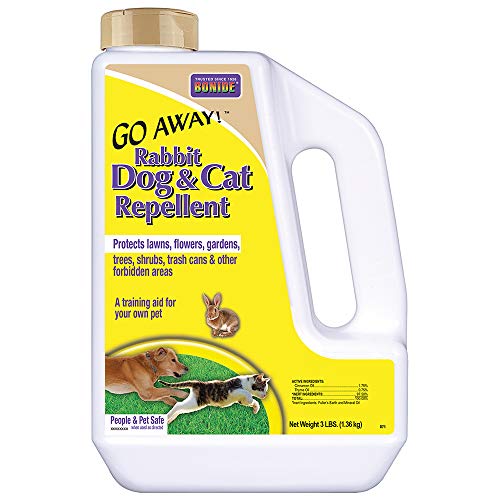
A larger granule option for bigger yards, focusing on keeping dogs, cats, and rabbits out of the garden, lawn, mulch, and beds. Best for extensive outdoor spaces or when multiple zones need consistent protection. Caution: as with other granules, even distribution is important to avoid uneven protection.
VDKOGSX Cat Repellent Indoor & Outdoor

Cat urine deterrent designed for both indoor and outdoor use, focuses on discouraging cats from furniture, rugs, curtains, and gardens. Best for households with cats that visit indoors and outdoors. Limitation: scent-based deterrents may require frequent reapplication in busy zones to maintain effectiveness.
Ley’s 12 Pack Cat Deterrent Mat

This scat mat utilizes spikes to encourage cats to avoid protected areas without causing harm. Best for plants, furniture, and garden borders where physical deterrence is desired. Limitation: some cats may adjust behavior over time, requiring repositioning or combined strategies.
Buying Guide: Key Considerations For Choosing A Cat Garden Repellent
What type of deterrent should you choose? Consider whether you want a scent-based, plant-based, or physical barrier. Scent-based products work well for ongoing presence but may require reapplication after rain or wind. Plant-based formulas are generally gentler on children, pets, and plants but may vary in strength. Physical barriers, like deterrent mats, provide a direct obstacle but require placement and soil-friendly installation.
How large is your outdoor space? For bigger yards, granules or multi-pack options reduce maintenance while covering larger zones. If you have multiple problem areas, a combination approach works best: a perimeter deterrent near beds and a scent-based product near entry points.
What about safety and pets? Look for non-toxic, plant-based ingredients and products explicitly labeled safe for people, pets, and plants when used as directed. Always follow label instructions for application and storage.
How long do effects last? Many products advertise weeks to months of protection, but weather, irrigation, and animal behavior can affect longevity. Plan for periodic reapplication and rotation of deterrent methods to prevent cats from habituating.
Installation and maintenance tips. Place deterrents where cats typically enter or mark most often. Keep areas clean of attractants (like food or uneaten scraps) to reduce visits. Reapply after heavy rain, irrigation, or snow to maintain effectiveness.
FAQ
- Which cat repellent is best for a small garden? Granular or ready-to-use sprays from trusted brands can work well in small areas, with targeted application around beds and borders.
- Do these repellents harm cats or other pets? Reputable products use plant-based or natural deterrents and are designed to be safe when used as directed. Always read the label for safety notes.
- Will a repellent stop cats permanently? Most repellents deter temporarily and may need reapplication or combination strategies for lasting effect.
- Can I mix repellents with irrigation or rain? Some formulas are rain-safe, but heavy irrigation may reduce effectiveness. Check the label for weather-related usage guidelines.
- What is the best overall approach? For best results, combine a tangible barrier (like a deterrent mat or granules) with a scent-based repellent and remove attractants in the yard.
- Are there non-chemical options? Physical barriers, landscaping adjustments, perch deterrents, and grown plants that cats dislike can supplement chemical repellents.