Best Reptile Bark for Plants: Natural Cork Substrates for Terrariums and Orchids
This guide highlights cork bark products that suit both reptile habitats and plant-growing setups. Cork bark promotes drainage, airflow, and natural aesthetics, helping roots and terrarium ecosystems thrive. The following selections emphasize natural materials, safe substrates, and versatility for orchids, air plants, amphibians, and reptiles. Use this summary to compare options and choose the best fit for your terrarium or vivarium needs.
| Product | Primary Use | Key Benefit |
|---|---|---|
| EZ Botanicals Cork Bark – 1lb | Orchids, airplants, reptiles | Hand picked and packed for quality |
| GARDENWISE Cork Orchid Bark | Orchids, epiphytes, reptiles | Superior drainage; natural cork nuggets |
| The Bio Dude Virgin Cork Bark Flats | Terrariums, amphibians, plants | 100% natural; floats; versatile pieces |
| Zilla Terrarium Bark Blend | Reptile habitats; terrarium substrate | Promotes heat and moisture transfer |
| Fhiny Cork Bark Background | Tank decor; climbing wall | Natural materials; easy to cut and clean |
EZ Botanicals Cork Bark – 1lb For Orchids, Airplants, Reptiles

EZ Botanicals Cork Bark is hand picked and packed, offering natural cork pieces suitable for orchid care, epiphytic plants, and reptile habitats. The 1-pound assortment provides versatile sizes that can be arranged to create microclimates, hiding spots, and climbing structures. Its porous texture improves airflow and drainage, supporting healthy root systems and a stable terrarium microenvironment. The natural cork remains lightweight and easy to relocate during habitat maintenance, making it a practical substrate component for mixed-use tanks.
GARDENWISE Cork Orchid Bark Nuggets

GARDENWISE cork bark nuggets measure 3/8″-3/4″ and 10-20mm, delivering superior drainage and aeration for orchid roots, epiphytes, and terrarium plants. The natural cork pieces replicate forest floor conditions, helping soil formulations drain efficiently while maintaining moisture balance. They also serve as a sturdy, safe substrate for reptile terrariums, providing climbing textures and hiding spots without compromising habitat safety.
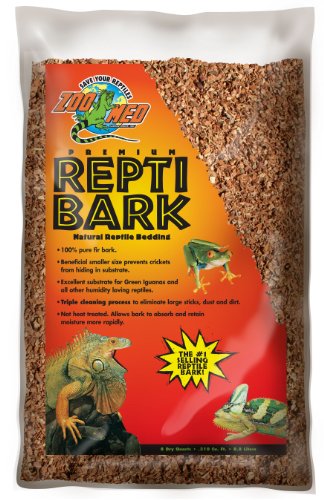
Zoo Med Reptile Bark Fir Bedding, 8 Quarts

Zoo Med Reptile Bark Fir Bedding provides all-natural fir bark bedding designed to support humidity retention and heat distribution in terrarium environments. Packaged in 8-quart sets, the substrate can be washed and reused, offering solid long-term value. Its natural composition contributes to a safe habitat for tropical and forest-dwelling reptiles while maintaining a stable environment for live plants within the enclosure.
EZ Botanicals Cork Bark Bits for Terrariums

EZ Botanicals Cork Bark Bits are pest-free and suitable for reptiles, orchids, terrariums, and airplants. Hand picked, packed, and sealed, these cork bits offer flexible substrate options—from substrate mixes to decorative backdrops. The small to medium pieces enable customizable layouts that enhance drainage, airflow, and microhabitat variety for plantings and reptile inhabitants alike.
Zilla Reptile Terrarium Bark Blend
Zilla’s bark blend is designed to promote heat and moisture transfer within terrariums, supporting tropical and forest habitats. Made from 100% organic fir bark, it provides a natural substrate that helps maintain humidity and creates an authentic-looking environment. Oven-dried to reduce pests, this blend supports hygienic enclosure conditions while remaining safe for both reptiles and live plants integrated into the habitat.
Fhiny Cork Bark Background

The Fhiny cork bark background provides a natural cork surface that can serve as a climbing wall or decorative backdrop for reptile tanks. The material is adaptable, easy to cut to desired dimensions, and straightforward to clean—great for creating naturalistic landscapes while giving reptiles a textured surface to explore. It complements plant arrangements by adding vertical structure and microhabitats within the enclosure.
Buying Guide: Key Purchase Considerations
When selecting cork bark substrates for reptile habitats and plants, consider size, porosity, and surface texture to optimize drainage and airflow. Larger pieces create shelters and climbing opportunities, while smaller bits help with microhabitat detailing and moisture balance. Material safety is essential; ensure bark is natural, pesticide-free, and free of pests. Reusability and ease of cleaning influence long-term value, particularly for terrariums that house humidity-loving plants. Versatility is another factor—some products double as decor, background panels, or substrate amendments, making maintenance simpler and habitats more engaging for both flora and fauna.
Durability matters: cork is lightweight yet sturdy, resisting compression under repeated watering or humidity fluctuations. For plant health, choose substrates that promote drainage and prevent root rot, especially in orchid-rich setups or epiphytic arrangements. Reptile care benefits from substrates that regulate humidity and heat transfer without releasing unwanted materials or impurities. Finally, assess compatibility with your specific species and plant choices. Some cork products work well as vertical décor for climbing reptiles and as decorative backdrops for terrariums containing tropical plants, while others excel primarily as substrate.