Best Resin for Water Filter: Top Replacement Media for Clean, Soft Water
Selecting the right resin for water filtration is essential for protecting appliances, improving taste, and reducing mineral buildup. This article reviews five top resin products suitable for residential and commercial filtration systems. Each option offers distinct benefits, from high-capacity ion exchange resins to color-changing deionization media that signals replacement needs. Use this guide to compare performance, compatibility, and maintenance needs, helping you choose the best resin to maintain water softness and overall system efficiency.
| Product | Brand | Type | Ideal For | Notes |
|---|---|---|---|---|
| SUPERIOR FILTERS Premium Water Softener Resin | Superior Filters | Cation Exchange Resin | Residential/Commercial Softening | High-capacity, NSF certified |
| SimPure 20″ x 4.5″ Cation Resin Cartridge | SimPure | Cation Exchange Resin | Whole-house softening | Two-pack, easy replacement |
| AQUATICLIFE 10-Inch Mixed-Bed Color Changing Resin | Aquatic Life | Mixed-Bed Deionization Resin | RO/DI final stage | Color-changing indicator |
| AKM Mixed Bed Deionized Di Resin Filter Fill | AKM | Mixed-Bed Di Resin | Spotless water systems, car wash | Two bags included |
| Brio Water Softner Resin Refill | Brio | Cation Exchange Resin | Home softening needs | Cross-linked DVB, NSF/ANSI 44 |
Superior Filters Premium Water Softener Resin Overview
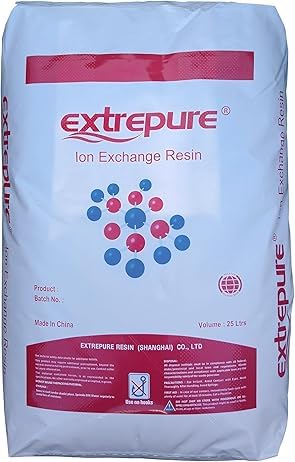
The Superior Filters resin is a premium 7% cross-link cation exchange medium designed for rapid ion exchange and strong durability. Its high-capacity formulation supports residential, commercial, and industrial softening, delivering efficient removal of hardness minerals across a broad pH range. This resin aims to reduce regeneration frequency, saving water and salt while extending system life. Installation is straightforward for most standard softeners, and proper maintenance helps ensure long-term performance.
This resin emphasizes longevity and consistent performance, making it suitable for homes with hard water that strains appliances and plumbing. Its NSF certification provides a level of third-party assurance for home use. For best results, fill using a funnel to avoid air pockets and ensure uniform bead distribution within the resin tank. Regular regeneration scheduling remains important to maintain optimal softening capacity.
SimPure 20″ Cartridges: Sodium-Cation Resin for Softening

The SimPure resin cartridge uses a sodium-based cation exchange resin to soften water by reducing calcium and magnesium minerals. This decreases scale buildup in pipes and appliances, contributing to improved overall water quality. The two-pack design supports replacement flexibility, making it convenient for whole-house filtration setups. Regular replacement every 6–12 months is recommended, depending on water hardness and household demand.
Key performance factors include resin quality, contact time, and system compatibility. For best results, ensure your water pressure is within 25–90 psi and temperatures stay between 41–100°F. The two-pack format helps homeowners plan maintenance around replacement cycles, reducing the chance of resin exhaustion and subsequent salt or potassium usage. Always verify compatibility with existing resin tanks and brine settings before replacing cartridges.
AQUATICLIFE 10-Inch Mixed-Bed DI Resin for RO/DI

This color-changing mixed-bed deionization resin is designed for the final stage of RO/DI systems. It combines cation and anion exchange media to reduce total dissolved solids to zero, providing near-pure water. The resin changes color when exhausted, offering a clear indicator for maintenance. The 10-inch size matches many standard RO housings and can be used in compatible Aquatic Life canisters and other RO/DI setups.
Considerations include visual indicators, resin capacity, and compatibility with existing DI cartridges. The color-change feature helps users avoid guesswork and ensures timely replacement, preserving RO system efficiency. Note that DI resin typically requires more frequent changes than commercial ion-exchange resins in areas with very hard water or high TDS influents. Always pair with proper pre-filtration to maximize life and performance.
AKM Mixed Bed Deionizing Resin For Spotless Water

AKM’s mixed-bed deionized resin is designed for systems requiring high-purity water, such as car wash DI units or specialty filtration. The kit includes two 5-liter bags for straightforward replacement and extended storage life. The resin is compatible with multiple brands and model designs, promoting flexibility for different DI configurations. Regular replacement is essential to maintain zero-TDS output and consistent filtration quality.
This resin offers a cost-effective option for DIY DI setups, balancing high purity with practical packaging. Its universal compatibility supports a wide range of deionization systems, allowing users to plan maintenance without being locked into a single vendor. For optimal results, store in vacuum-sealed bags and replace before color indicators show exhaustion where applicable, ensuring continuous water quality improvements.
Brio Cation Resin Refill: 1 Cu Ft, 10% Cross-Linked DVB
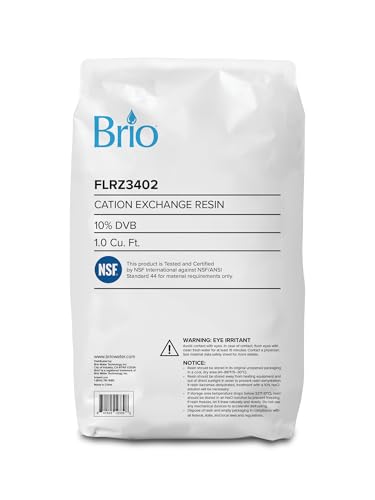
Brio’s premium cation resin uses a 10% cross-linked DVB formulation to deliver strong acid cation exchange for comprehensive water softening. With a high capacity—up to about 48,000 grains before regeneration—it helps resist chlorine oxidation and extends resin life. This resin is designed for home use and meets NSF/ANSI performance criteria for hardness removal, with compliance to relevant safety and food-contact standards.
Consider durability, chlorine tolerance, and system compatibility when evaluating Brio resin. Its cross-link density supports longevity in challenging water conditions, and the large 1 Cu Ft bag is suitable for refill in many standard softener tanks. When installing, ensure alignment with existing brine settings and resin bed configuration to maximize efficiency and avoid channeling or premature exhaustion.
Buying Guide: Key Resin Purchase Considerations
- Resin Type: Decide between cation exchange resins for hardness removal and mixed-bed DI resins for final-stage purification. Cation resins soften water; mixed-bed resins achieve near-zero TDS in DI systems.
- Cross-Link Density: Higher cross-link (e.g., 7% or 10%) generally improves chemical resistance and lifespan in treated water and chlorine-rich environments.
- Capacity and Regeneration: Look at grain capacity and regeneration frequency. Higher capacity reduces regeneration frequency and maintenance, but may require compatible equipment.
- Compatibility: Confirm resin compatibility with your filtration system’s tank size, brine settings, and pre-filters. Some products are universal, while others are designed for specific brands.
- Indicator and Monitoring: Color-changing DI resins provide visual exhaustion signals, aiding timely replacements and ensuring consistent water quality.
- Certifications: NSF/ANSI certifications indicate compliance with safety and performance standards relevant to home use and drinking water applications.
- Storage and Handling: Some DI resins come in vacuum-sealed bags; store in a cool, dry place to preserve resin integrity and shelf life.
- Maintenance Schedule: Align resin changes with water hardness levels and TDS measurements to optimize performance and minimize waste.
In sum, the best resin choice depends on your water quality needs, system configuration, and maintenance preferences. For comprehensive softening in homes with hard water, premium cation exchange resins offer strong performance with longer lifespans. For final-stage purification in RO/DI setups, mixed-bed DI resins with clear exhaustion indicators help maintain the highest water quality. Always verify compatibility and follow manufacturer guidelines to ensure optimal filtration results.