Best Sagina Subulata Scotch Moss Groundcover for Gardens, Paths, and Rock Edges
Keep a yard looking lush with a low-growing, evergreen mat that stays vibrant through the seasons. Sagina subulata, commonly called Scotch Moss, offers a bright chartreuse carpet ideal for rock gardens, pathways, and containers. This guide highlights five selected live plants and seeds to help you choose the right option for your space and climate. The top picks are best for ornamental groundcovers, edging, and light foot traffic-friendly areas.
Summary table of chosen products
- 3 Scottish Moss – Soft Golden Evergreen Groundcover (Aurea) in 2.5″ cubes
- 12 Scottish Moss – Soft Golden Evergreen Groundcover (Aurea) in 2.5″ cubes
- 6 Scottish Moss – Soft Golden Evergreen Groundcover (Aurea) in 2.5″ cubes
- Outsidepride Irish Moss Ground Cover Seeds – 5000 Pcs
- Scott Moss Live Plants Sagina subulata Aurea Set of 3
3 Scottish Moss – Aurea Groundcover in 2.5″ Cubes

Best for small rock gardens or container borders that need a bright, low-growing fill. This listing includes three ready-to-plant Sagina subulata Aurea starters in 2.5″ cubes, making it easy to create a dense, carpet-like cover. It suits gardeners who want an immediate green mat without multiple purchases. Caution: growth can vary with light and moisture, so expect slight size and color differences.
Why choose this for your space? The trio provides quick establishment and a uniform chartreuse color that pairs well with stone features and pale mulch. It’s ideal for light foot traffic areas where a soft, moss-like texture completes the landscape. Best for: small edging projects, between stepping stones, and container arrangements that need a bright, durable filler.
Limitation to consider: as with many live plants, temps in zones outside 4–8 may slow growth or require extra protection in extremes.
12 Scottish Moss – Aurea Groundcover in 2.5″ Cubes

Best for larger installations or prominent groundcover sections where a full, uniform carpet is desired. The set includes 12 well-rooted Sagina subulata Aurea starters in 2.5″ cubes, allowing faster fill across bigger borders, rock gardens, or pathways. This option suits gardeners seeking a more substantial immediate impact. Caution: ensure even moisture distribution to prevent uneven growth and gaps.
Why this helps your project A larger quantity accelerates coverage, reducing gaps and creating a cohesive look. This cultivar’s fine texture and bright foliage stay visible even at a distance, making it suitable for prominent edging and paved borders. Best for: larger edging, stepping-stone paths, and container displays that need consistent color.
Limitation to consider: shipping cost or handling might be higher due to quantity; verify your garden space can accommodate the spread rate.
6 Scottish Moss – Aurea Groundcover in 2.5″ Cubes

Best for mid-sized plantings where a dense carpet will drape between stones or along pathways. This option includes six Sagina subulata Aurea plants in 2.5″ cubes, enabling quicker establishment with more consistent coverage. It’s ideal for garden designers aiming for a uniform, low-height mat. Caution: microclimates with excessive shade or drought stress may affect color intensity.
Why this is a good middle-ground choice It balances quantity and cost while delivering a robust mat-forming habit. Best for: mid-length borders, between stepping stones, and rock garden edges that require steady, even growth. Choose this if you want faster fill without buying a very large batch.
Limitation to consider: subject to seasonal color variation; some leaves may display slightly different tones as they mature.
Outsidepride Irish Moss Ground Cover Seeds – 5000 Pcs
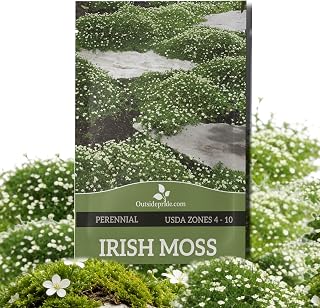
Best for growers who prefer to start from seed and cover large areas with a lawn-alternative mat. The pack contains 5,000 Irish Moss seeds, designed for dense, shade-tolerant growth. It supports pathways, rock gardens, and border plantings where a soft, moss-like look is desired. Caution: germination can be variable and slower than plug-and-grow options; ensure consistent moisture during establishment.
Why seed can be advantageous Seeds offer long-term cost efficiency for large projects and allow customization of spacing to achieve a bespoke carpet. Best for: large shaded borders, garden sidewalks, and budget-conscious groundcover expansions. Choose this if you’re patient and want a scalable approach.
Scott Moss Live Plants Aurea Set of 3

Best for gardeners seeking a compact, ready-to-plant trio of groundcover plants. This set includes three Sagina subulata Aurea plants, delivering an immediate mat-forming habit with lime-green foliage. It’s suitable for small to medium installations requiring quick establishment and dense coverage. Caution: the trio should be planted promptly after arrival to maintain root health and vigor.
Why a 3-pack is appealing The small batch is ideal for rapid testing in a single bed or for filling noticeable gaps in a border. Best for: small rock walls, edging, and container troughs that benefit from a bright, low-profile fit. Choose this if you want a quick, controlled start with immediate visual impact.
Buying Guide
What is Sagina subulata best used for?
Sagina subulata, or Scotch Moss, forms a dense mat that stays low and spreads slowly. It’s ideal for edging, paths between stepping stones, rock gardens, and shaded borders where a moss-like texture adds color and softness to hardscape features.
Which option is best for immediate full coverage?
Sets with multiple plants (such as the 12-plant option) or larger starter packs provide quicker fill across a landscape. Choose these when the project requires fast visual impact and consistent carpet-like coverage.
What should I consider about climate and care?
Most Sagina subulata varieties prefer USDA zones 4–8 and require well-drained soil with consistent moisture. They tolerate light foot traffic but prefer areas with partial shade to avoid heat stress in hotter regions. Severe drought or extreme cold can affect growth and color intensity.
Seed vs. live plants: which is better?
Seeds offer cost-effective scale for large areas and long-term planning but require patience for germination and establishment. Live plants provide faster, more predictable coverage and are better for small-to-mid sized projects with a defined deadline.
How should I prepare the planting area?
Prepare a weed-free bed, loosen the soil to improve root penetration, and amend with organic matter for moisture retention. Plant in the appropriate spacing for your chosen product—denser for faster carpet, wider for slower fill. Mulch lightly to conserve moisture but avoid over-compaction.
Maintenance basics
Keep the soil evenly moist during first establishing weeks. Once established, Sagina subulata generally requires minimal pruning, occasional foot traffic management, and replacement of any damaged patches to maintain a uniform mat.
What are common limitations to expect?
Color and growth can vary with light exposure, moisture, and temperature. Some batches may show slight differences in leaf color or size. In highly stressful environments, the carpet may thin in spots and require supplemental planting.
Quick reference: choosing by project type
- Small edging or between stepping stones: use 3 or 6 plant cubes for rapid, tight coverage.
- Large pathway borders or rock gardens: seed-based or 12-pack options for faster spread.
- Containers or small beds: 3–6 plant packs provide a compact, lush mat.
FAQ
- What is the best soil for Sagina subulata? A well-draining, slightly acidic to neutral soil with consistent moisture supports healthy carpet growth.
- Can Sagina subulata handle foot traffic? It tolerates light foot traffic but is best in areas where traffic is limited or short-term.
- Is it hardy in cold climates? Yes, in USDA zones 4–8, though extreme cold or rapid freezes can affect young plants.
- Should I mulch around the plants? A light mulch helps retain moisture, but avoid thick layering that can smother new growth.
- When will I see full coverage? Expect several weeks to a few months for mature carpet, depending on planting method and climate.
- Is seed-based moss hard to establish? Seeds require consistent moisture and patience; germination rates can vary by conditions.