Best Sand for Plant Growth: Top Picks for Pots, Terrariums and Gardens
Healthy plant growth hinges on well-draining soil. The right sand can improve aeration, drainage, and moisture balance in pots, terrariums, and garden beds. This guide reviews five top sands designed for planting, succulents, bonsai, and decorative indoor gardens, helping you select the best option for your setup. Each product is evaluated for particle size, suitability for soil top dressing, and how it supports root health.
| Product | Brand | Best Use | Key Benefit |
|---|---|---|---|
| OUPENG Coarse Sand Stone | OUPENG | Plant top dressing & drainage | Coarse silica sand, 1–2 mm; decorative and stabilizes soil |
| Boniosz Fine Silica Sand 1-3mm | Boniosz | Potting mix, terrariums, terracotta gardening | 1–3 mm grain; clean, promotes drainage |
| GardenWise Fine Sand For Plants | GARDENWISE | Succulents, terrariums, decorative top-dressing | Soft, fine grain; attractive natural tone |
| TOYPOPOR Coarse Silica Sand | TOYPOPOR | Bonsai, cacti, terrariums | Coarse silica sand; supports drainage |
| NUPICK 1-2mm Coarse Sand For Plants | NUPICK | Succulents, desert-inspired plantings | Natural 1–2 mm sand; improves aeration and moisture balance |
The following five sands are evaluated below for typical plant setups, from compact potting mixes to decorative terrariums and bonsai displays. Each section highlights how the product’s size, texture, and pre-wash status influence planting outcomes and ease of use.
OUPENG Coarse Sand Stone For Plants
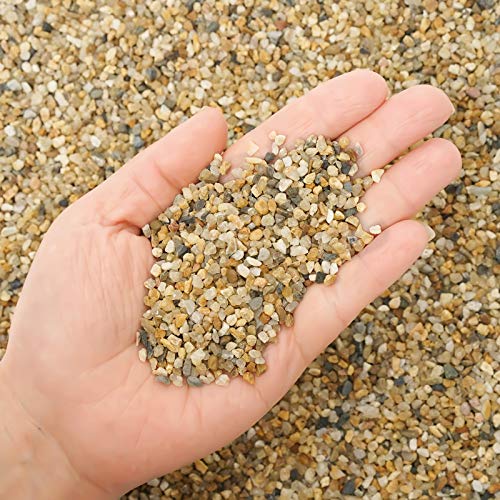
OUPENG’s coarse silica sand is designed for soil top dressing, potting mixes, and decorative use in planters. The grains range from 1 to 2 millimeters, offering robust drainage and reduced soil compaction. The product includes a mix of tiny colored pebbles and natural gravel, which provides an attractive backdrop for indoor gardens and terrariums. When dry, the sand appears lighter with more visible color variation; when damp, colors deepen, helping you achieve a natural soil profile that looks like a miniature landscape.
In plant applications, the coarse texture creates air spaces around roots, aiding root development and preventing waterlogging. It helps stabilize newly planted specimens in pots or mixed with soil to prevent shifting during watering. The material also functions as an effective top-dressing for potted plants and terrariums, helping to seal moisture in the root zone while keeping the surface neat. Because of its natural color and texture, it blends well with succulents, bonsai, and vining houseplants, enhancing both health and aesthetics.
For best results, use OUPENG sand as a top layer or as a mixed component in the potting substrate. Avoid over-watering, and cycle through watering as you monitor drainage. The sand’s natural look makes it a popular choice for decorative vases, fairy gardens, and terrariums where a naturalized substrate matters as much as plant health.
Boniosz Fine Silica Sand 1-3mm

Boniosz offers 1–3 mm grain silica sand designed to improve drainage when mixed with potting soil. The medium grain size helps balance moisture retention and aeration, which is ideal for succulents, cacti, and other desert-adapted plants. The sand is clean and odor-free, making it suitable for terrariums and decorative indoor gardens where a natural, unobtrusive substrate is preferred. When used in bonsai or terrarium settings, this sand helps stabilize plants while permitting adequate air flow to the root zone, supporting healthier growth.
The product also serves as a versatile substrate for mixed arrangements, including terrariums and fairy gardens. While the primary focus is plant health, its clean composition and predictable grain size reduce dust and potential staining during handling. For terrarium enthusiasts, Boniosz sand provides a reliable medium that can be layered with charcoal or other substrates to further manage humidity and drainage in small ecosystems.
GardenWise Fine Sand For Plants
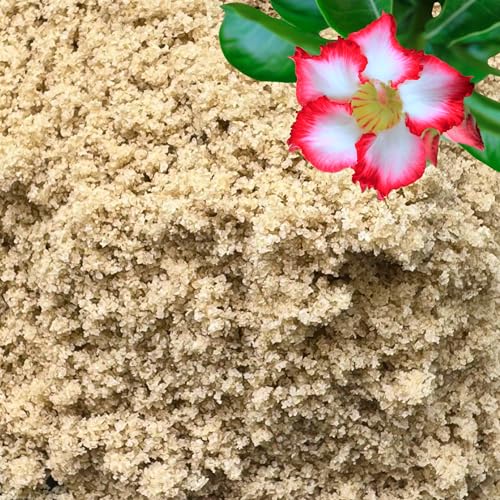
GardenWise Fine Sand is marketed for transforming potting mixes, delivering improved soil structure and drainage in seconds. The soft, fine grain adds gentle aeration, helping roots grow stronger and healthier in every container. It is particularly suitable for succulents and drought-tolerant varieties, where precise moisture control matters. The sand’s natural tan tone doubles as an attractive top-dressing for terrariums, Zen gardens, and fairy gardens, offering a polished finish that complements plant textures without overpowering them.
GardenWise emphasizes a decorative as well as functional role—soft enough to blend with organic soils while still providing the drainage necessary to prevent root rot. For terrarium builders, this sand can serve as both substrate and surface layer, reducing soil spillage and keeping their miniature landscapes tidy. It works well in combination with small pebbles or decorative accents to create layered scenes that remain easy to maintain.
TOYPOPOR Coarse Silica Sand
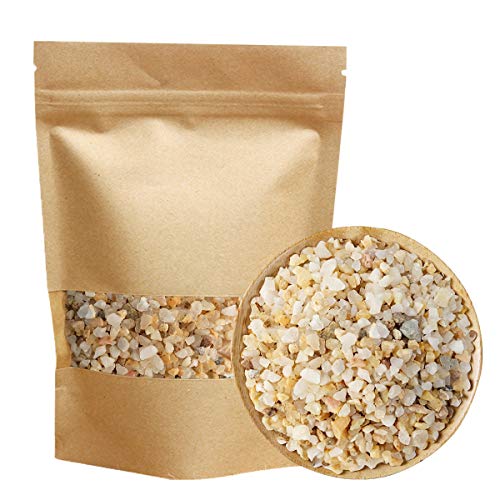
TOYPOPOR’s 2.2-pound bag features a coarse silica sand grain that suits bonsai, cacti, and succulent plant mixes. The texture is designed to improve drainage and reduce soil compaction, making it easier to establish well-drained rooting media in containers and terrariums. The product description suggests versatility beyond plant uses, including decorative applications in pots, vases, and crafts, making this sand a practical option for hobbyists who enjoy multi-use substrates.
In garden and terrarium contexts, its larger grain size creates distinct visual layers and reliable surface drainage, which helps prevent surface mud during occasional watering. When integrating into indoor displays or bonsai soil, ensure proper mixing with organic matter to maintain nutrient availability while sustaining airflow around the roots. This sand’s robustness makes it a good candidate for outdoor planters that experience variable moisture and temperature.
NUPICK Coarse Sand For Plants 1-2Mm
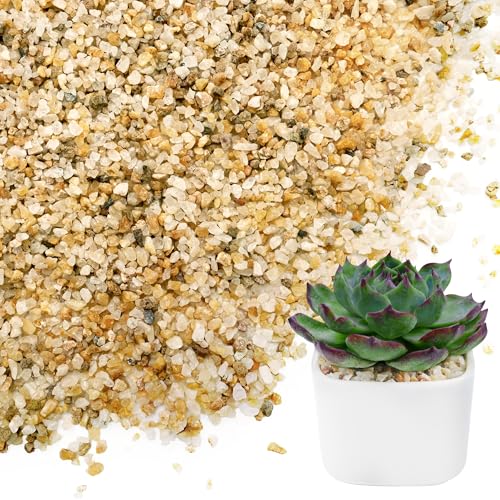
NUPICK’s 1–2 mm coarse sand is described as natural and reusable, made from durable silica with no dyes or artificial additives. This makes it a reliable long-term component for potting mixes and decorative arrangements. When blended with soil in a 1:3 ratio, it enhances drainage while helping retain moisture and nutrients closer to plant roots—beneficial for succulents, cacti, and other container plants that require steady moisture balance without overwatering. The sand’s golden hue also provides a decorative, splash-proof appearance for outdoor planters and indoor displays.
The product is noted for washing clean prior to use, reducing dust during handling. It doubles as an attractive top-dressing and can help stabilize the substrate in shallow containers or terrariums. For store-bought mixes, using this sand as a component can improve consistency across batches and support reproducible growth outcomes in desk-top gardens and school projects alike.
SHIZWU 5LB Coarse Sand And Pebbles

SHIZWU offers a 5-pound bag of coarse sand with colored rocks and pebbles, designed for cactus, bonsai, and succulent display uses. The 2–4 mm gravel mix supports surface drainage and provides an attractive paving layer for potted plants and terrariums. The natural stones add texture and visual interest while enabling good airflow to the root zone, which helps prevent root rot and promotes healthier growth in hot, dry climates or indoor spaces with low humidity.
In addition to plant uses, the gravel can serve as a decorative element in fish tanks or turtle habitats, though care should be taken to ensure substrates remain suitable for the specific aquatic ecosystem. For plant-specific projects, consider layering with finer sand underneath to combine drainage with gentle moisture retention in a multi-layer substrate.
Buying Guide
Choosing the right sand for plants depends on your plant types, container size, and maintenance preferences. The following considerations help tailor a selection to your setup:
- Particle size and drainage: Coarser sands (around 1–3 mm) promote rapid drainage and aeration, which is ideal for succulents, cacti, bonsai, and terrariums. Finer sands retain moisture longer, better suited for tropical species and decorative terrariums with higher humidity.
- Soil structure and stabilization: Sand should complement potting mixes by preventing compaction and creating air pockets for roots. In new plantings, a layer of larger sand on top can help anchor soil and reduce erosion during watering.
- Aesthetics and color: Natural tan, white, or granite hues can enhance décor without distracting from plant color. Decorative pebbles or mixed grains add visual depth in terrariums and fairy gardens.
- Cleanliness and safety: Look for pre-washed, dust-reduced sands to minimize airborne particles during handling. Silica-based sands are generally inert but wear a mask when handling very dusty bags.
- Compatibility with setups: For terrariums and bonsai, choose sands that won’t dominate the substrate’s nutrient availability. Consider layering with organic matter or activated charcoal to optimize moisture and odor control in enclosed spaces.
- Application method: Top-dressing versus mixing—sand used as a surface layer protects soil surfaces and slows evaporation, while mixing with soil increases drainage throughout the root zone.
- Durability and reuse: Some sands are described as reusable or long-lasting. Reusability reduces long-term cost and waste, especially in hobby projects that frequently replant or reorganize displays.
- Cost and availability: Most sands come in a range of bag sizes. For large planters or multiple terrariums, balance price per pound with the desired grain size and color.
In practice, selecting a sand for plants often means combining several options: a coarse base layer to encourage drainage, plus a finer surface layer for aesthetics and moisture balance. For terrariums and decorative indoor gardens, pairing a durable, medium-to-coarse sand with small pebbles can produce both stable root zones and a visually appealing substrate that remains easy to maintain. Always tailor your choice to your plant types, climate, and maintenance routine to maximize growth and minimize problems such as root rot or soil compaction.