Best Sand for Succulent Soil: Top Additives for Drainage & Growth
For succulents, soil drainage and aeration are critical. Using the right sand amendment can improve structure, prevent root rot, and help roots develop. This guide reviews five highly relevant sand products that enhance drainage while remaining safe for indoor terrariums, potted succulents, and drought-tolerant terrarium gardens.
| Product | Type | Size | Primary Benefit |
|---|---|---|---|
| GARDENWISE Fine Sand (1 Quart) | Fine Sand | 1 quart | Improves drainage and aeration |
| GARDENWISE Fine Sand (3 Quarts) | Fine Sand | 3 quarts | Top-dressing and mix-in drainage |
| Boniosz 1-3mm Fine Silica Sand | Silica Sand | 2.4 lb | Great drainage and water balance; versatile use |
| NUPICK 1-2mm Coarse Sand | Coarse Sand | 6 lb | Enhances aeration and moisture balance |
| Mosser Lee ML1111 White Sand | White Sand | 5 lb | Decorative cover; improves drainage |
Note: While some potting mixes incorporate sand or grit, adding a standalone sand product can tailor drainage to your specific succulent needs and space, whether you’re repotting, topping, or creating a terrarium.
GARDENWISE Fine Sand for Plants – 1 Quart
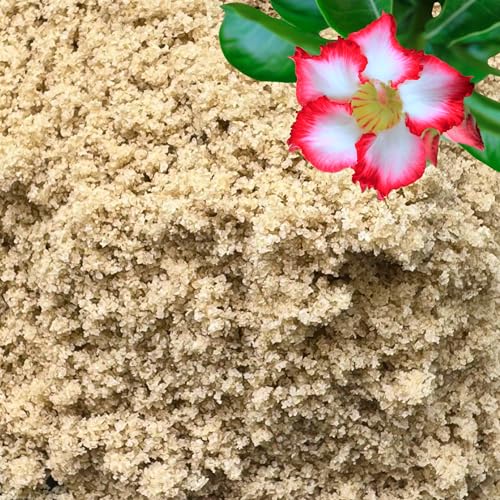
GARDENWISE Fine Sand for Plants is a soft, fine-grain potting sand designed to improve soil structure and drainage in seconds. It adds gentle aeration to indoor mixes, enabling roots to grow stronger and healthier. This sand is also recommended for boosting drainage and protecting succulents, cacti, and other dry-climate plants from root rot. The tan color provides a natural decorative touch and doubles as a top-dressing for terrariums and fairy gardens.
GARDENWISE Fine Sand for Plants – 3 Quarts
This larger 3-quart option extends the same benefits as the 1-quart bag: enhanced drainage, improved soil aeration, and a decorative top-dress that elevates any succulent display. It is suitable for adding to potting mixes or using as a top layer in terrariums and Zen-inspired planters, promoting healthier root systems for succulents and other drought-tolerant species.
Boniosz 1-3mm Fine Silica Sand

Boniosz Fine Silica Sand provides perfect drainage when mixed with potting soil. Its fine silica composition helps aerate compacted soils and balances moisture around roots. The medium grain size (1-3mm) supports stable root development for succulents, cacti, and bonsai, and can also serve as a decorative, splash-proof mulch for containers and terrariums. It is versatile for terrarium substrates and outdoor gravel accents.
NUPICK 1-2mm Coarse Sand for Plants
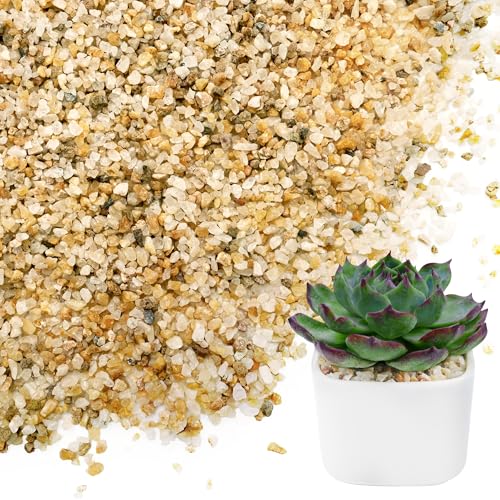
NUPICK Coarse Sand (1-2mm) is natural river sand with no dyes or artificial additives. It improves drainage when mixed with potting soil at a 1:3 ratio, helps retain moisture and nutrients near roots, and stabilizes newly potted plants. Its golden, decorative appearance complements modern and rustic planters, making it a versatile choice for succulents, cacti, and desert-themed arrangements.
Mosser Lee ML1111 White Sand Soil Cover

Mosser Lee White Sand serves as a decorative soil cover and helps improve drainage in planters, dish gardens, and terrariums. Its white color provides a bright, clean look that contrasts with plant foliage, while contributing to better water flow and reduced soil compaction. Suitable for use in clear vases and other display containers, this sand enhances visual appeal and drainage at once.
Buying Guide: Sand For Succulent Soil
- Grain size matters: Fine sands (like 1-3mm) drain well without creating overly loose soil, while coarse sands (2-4mm) increase porosity further and can be used for top-dressing or specific terrarium substrates.
- Composition: Silica-based sands are common, color-neutral, and inert, which helps prevent pH shifts. Avoid sands with additives that could irritate sensitive roots.
- Drainage vs. water retention: For succulents, aim for a balance—sand should improve drainage while retaining enough moisture near roots to support growth during brief dry spells.
- Packaging and reuse: Some sands are marketed for decor; others are intended for potting mixes. Ensure the product is clean, odor-free, and suitable for plant substrates if you plan to reuse in multiple pots.
- Application methods: Use sand as a soil amendment (mix 1 part sand to 2–3 parts potting mix) or as a surface top-dress to reduce soil splashing and evaporation in sunny setups.
- Terrariums and decorative uses: For terrariums, ensure the sand is free of contaminants that could affect humidity or mold growth. White or tan sands offer aesthetic contrast with green foliage.
- Maintenance considerations: Reseed or repot as needed since sand can compact over time in some mixes. Reassess drainage after a season of growth.