Best Second Early Seed Potatoes for a Fast, Flavorful Harvest
Answering the question “which second early seed potatoes are best for my garden?” this guide highlights five solid options that tend to perform well in American home gardens. These varieties are known for early emergence, reliable yields, and good flavor. They’re suited for gardeners who want a quick harvest window, a mix of colors, and versatile cooking uses. The table below summarizes the five picks, focusing on what each is best for and why it’s a strong choice for second early planting.
| Product | Best For | Why It Stands Out |
|---|---|---|
| Dark Red Norland Potato Seeds for Planting | Early home gardens, multi-row planting | Classic red-skinned tubers with white flesh; early harvest window; ample quantity (3 lbs) |
| Golden Yukon Nuggets Heirloom Potato Seed | Spring planting for fast, fresh spuds | Heritage variety with fresh-tasting potatoes; virus-free seed readiness |
| Yukon Gold Seed Potatoes | Uniform, reliable yields in raised beds | Golden skin, creamy flesh; non-GMO, Blue Tag Certified seed potatoes |
| Superior Seed Potatoes for Planting | All-purpose use; early season reliability | Smooth white-skinned tubers with bright white flesh; high yield potential |
| LaSoda Seed Potatoes | Balanced color mix for diverse menus | Red-skinned tubers with white flesh; early to mid-season; versatile cooking |
Note: The five selections below were chosen for a balance of flavor, color, growth habit, and suitability for second-early planting in typical American home gardens. Each entry includes a quick “best for” and a practical limitation to help you compare quickly.
Dark Red Norland Potato Seeds for Planting

Variety: Dark Red Norland potato seeds offer attractive red skin with white flesh. Best for home gardeners seeking a classic early-season potato. The seed package includes 3 pounds, giving enough seed for multiple rows or a generous garden bed.
Best for: Gardeners who want a traditional red-skinned potato with an early harvest window. This variety supports a quick turnover between planting and fresh-dug potatoes, making it well-suited for hungry early-season menus.
Why selected: Early-season harvest and ample seed quantity help growers start a reliable crop quickly. The look and flavor fit a wide range of recipes, from boiling and roasting to potato salads.
Caution: Seed quality and storage before planting influence sprouting; ensure proper storage to maintain vigor.
Golden Yukon Nuggets Heirloom Potato Seed

Brand: North Valley Seed. Features note: Fresh 2022 potato seed ready for spring planting.
Best for: Gardeners seeking a heritage-type potato with a clean slate for spring planting and a fresh crop quickly after planting.
Why selected: Heirloom genetics can yield robust flavor and interesting color profiles in dishes. Seed freshness supports vigorous sprouting and growth in early season beds.
Caution: Availability of fresh seed can vary by season; confirm current stock before planning a spring planting window.
Yukon Gold Seed Potatoes

Brand: Simply Seed. Features include: Determinate variety with golden yellow skin and creamy flesh; Blue Tag Certified, Non-GMO seed potatoes.
Best for: Home gardens and raised beds where uniform maturation is desired for a concentrated harvest window. Suitable for boiling, baking, and roasting due to texture and flavor.
Why selected: The combination of determinacy and certification fosters predictable harvest timing and reliable performance for larger garden beds or planting blocks.
Caution: Being a determinate variety, tuber development concentrates in a specific period; plan harvest timing to avoid over-maturity in hot climates.
Superior Seed Potatoes for Planting
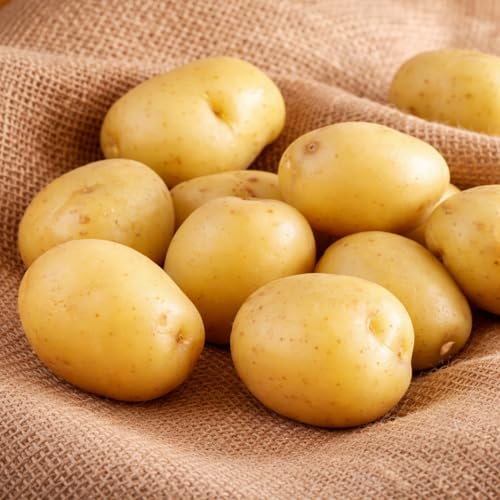
Brand: CZ Grain. Features highlight: Early season white-skinned tubers with white flesh; high-yield potential; all-purpose use for boiling, baking, frying, and chipping.
Best for: Gardeners who want a dependable, all-purpose potato that performs well in a variety of cooking methods and storage scenarios.
Why selected: The combination of early emergence, firm texture, and broad culinary utility makes this a versatile choice for small-to-medium gardens.
Caution: As with any seed, disease-free status and proper storage are essential to sustain vigor through the season.
LaSoda Seed Potatoes For Planting

Brand: CZ Grain. Features: Smooth red skin with white flesh; early to mid-season variety with dependable yields; non-GMO, untreated (3 pounds).
Best for: Gardeners seeking a friendly color profile and reliable yields for mid-season harvests and a variety of cooking uses.
Why selected: Red-skinned potatoes provide visual appeal and versatility in meals, while the early-to-mid-season window offers a flexible harvest schedule.
Caution: Red-skinned potatoes can bruise more easily during handling; store carefully to keep skins intact after harvest.
Irish Cobbler Seed Potatoes for Planting

Brand: CZ Grain. Features: Classic white skin with white flesh; early-season with fast emergence; flavorful with a dry, fluffy texture—great for baking, mashing, and frying.
Best for: Bakers and mashers who value a light texture and dependable early harvests in a variety of garden setups.
Why selected: The traditional flavor and texture make it a reliable staple for classic potato dishes, with a strong yield profile for early-season gardens.
Caution: Flavor and texture are sensitive to storage conditions after harvest; monitor humidity and temperature to prevent sprouting or spoilage.
Buying Guide: Second Early Potatoes For Your Garden
What is “second early” and why choose it?
Second early potatoes mature faster than maincrop varieties but later than first early types. They typically provide a predictable harvest window in mid-to-late spring or early summer, depending on your climate. This timing helps bridge the gap between early greens and late-season crops.
What should I consider when selecting seed potatoes?
- Seed health: Look for certified, disease-free stock to maximize germination and yield.
- Growth habit: Determinate varieties mature in a compact window; indeterminate types may spread harvest dates over a longer period.
- Storage and handling: Potatoes should be stored in a cool, dark place to prevent sprouting before planting.
Color, flavor, and culinary use
Choose colors and flavors that align with your cooking plans. Red-skinned varieties often offer versatile uses and a splash of color, while yellow or white-fleshed types provide different textures for mashing, roasting, or frying.
Garden setup and care tips
- Soil prep: Well-drained, loose soil with added organic matter supports tuber development.
- Planting depth: Seed potatoes typically go 3–4 inches deep, with eyes facing up.
- Crop timing: Plant according to your last frost date to optimize emergence and yield.
- Watering: Maintain even moisture; avoid waterlogged beds that can lead to tuber rot.
FAQ
- Q: When should I plant second early potatoes in most U.S. regions? A: After the danger of hard frost has passed and soils have warmed, typically in early spring to late spring, depending on your local climate.
- Q: Can I plant multiple varieties together? A: Yes, many gardeners plant a mix to enjoy different colors and harvest times, but stagger planting dates for consistent yield.
- Q: Are non-GMO seed potatoes always safer for home gardeners? A: Non-GMO status indicates no genetic modification; it does not inherently guarantee disease-free status, so choose certified seed.
- Q: How do I store harvested potatoes? A: Cure in a cool, dark, well-ventilated space for about two weeks, then store in a dark, cool area with moderate humidity.
- Q: What makes Yukon Gold a popular choice? A: Creamy flesh and buttery flavor that hold up well to boiling, baking, and mashing.
- Q: Is it better to cut seed potatoes before planting? A: For Size B or larger seed categories, cutting isn’t always necessary; follow the supplier’s guidance for the specific tuber size.