Best Silver Mound Artemisia Seeds and Plant Options
If you specifically want seeds for Silver Mound Artemisia, check the botanical name before buying: the seed listing below is for common wormwood, Artemisia absinthium, not Silver Mound, Artemisia schmidtiana ‘Nana’. The other four options are live plants or bare roots, which may be a better fit if you want the Silver Mound variety without starting from seed.
| Product | Type | Best For |
|---|---|---|
| Seed Needs Wormwood | Seeds | Buyers seeking wormwood seeds who will verify the species |
| Silver Mound Bare Root | Bare-root plants | Buyers seeking three plants |
| ‘Nana’ Silver Mound | Rooted potted plant | Buyers who want an established plant |
| Clovers Garden Silver Mound | Two potted plants | Edging and pathway plantings |
| Silver Mound, 1-Gallon Pot | Potted plant | Buyers comparing a larger pot format |
Seed Needs Wormwood Herb Seeds

Best for: gardeners specifically seeking wormwood seeds and willing to confirm the species before planting. The listing describes heirloom, non-GMO herb seeds in two packs and identifies the plant as Artemisia absinthium.
This is the only seed product among the five options, but its botanical name is important: it does not identify the seed as Silver Mound, Artemisia schmidtiana ‘Nana’. These are different Artemisia species, so choose this only if common wormwood suits your plan. The listing also notes thujone, which can be toxic in high doses. Avoid treating the product as food or medicine based on historical-use descriptions; follow applicable safety guidance.
Silver Mound Artemisia Bare Roots

Best for: buyers who want Silver Mound Artemisia but do not require seeds. The product name identifies it as “Silver Mound” and indicates three bare-root plants, offering a direct alternative for gardeners ready to plant roots rather than start seedlings.
Choose this if quantity matters and you are comfortable receiving bare-root material. Unlike a potted plant, it is not described as arriving in a pot with established foliage. The listing information provided does not specify planting instructions, plant size, or shipping condition, so check the current product details before ordering.
Artemisia ‘Nana’ Silver Mound Plant
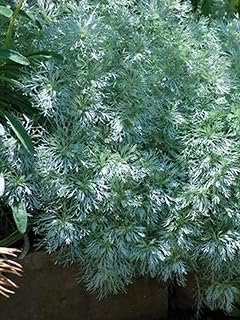
Best for: buyers who want a rooted, potted Silver Mound plant rather than seeds. The listing names Artemisia schmidtiana ‘Nana’ and states that the plant arrives fully rooted in its pot, ready for planting.
Season affects appearance: plants shipped from November 1 through March 1 may be dormant and trimmed. This is a useful option if you prefer a rooted plant, but avoid choosing it if your priority is a seed packet or a guaranteed leafy appearance during the dormant shipping period.
Clovers Garden Two Silver Mound Plants

Best for: gardeners planning an edging or pathway planting. The listing offers two live plants, each described as 4 to 8 inches tall and grown in a 4-inch pot. It also describes Silver Mound’s silver-green, mounding foliage and says the plants tolerate drought.
The listing notes that stems can be cut for bouquets and describes the plants as non-GMO and grown without neonicotinoids. Choose this option if you want two potted plants and those stated features fit your project. It is explicitly a live-plant product, not seeds.
Silver Mound Artemisia In A 1-Gallon Pot

Best for: buyers who want a potted plant and prefer the listed 1-gallon container format. The product identifies the plant as Artemisia schmidtiana ‘Silver Mound’ and also lists ‘Nana’ and dwarf Schmidt wormwood as alternate names.
The listing describes evergreen foliage, moderate-to-fast growth, fragrant foliage or blooms, and use on slopes and banks. It lists full sun, part shade, and full shade. Because these are seller-provided details, compare them with local growing guidance before choosing a site. This is not a seed product.
Buying Guide: How To Choose Silver Mound Artemisia
Are you looking for seeds or the Silver Mound variety?
Start with the botanical name on the listing. Silver Mound is identified here as Artemisia schmidtiana ‘Nana’. The seed listing is for Artemisia absinthium, common wormwood. A shared common-name association does not make the seeds the same variety. If exact cultivar identity matters, select a product that names Silver Mound or A. schmidtiana ‘Nana’ and confirm the details with the seller.
Should you choose seeds, bare roots, or a potted plant?
- Seeds: Choose only when the listed species matches your goal and you are prepared to grow from seed.
- Bare roots: Consider these if you want multiple plants and are comfortable planting roots rather than receiving a potted specimen.
- Potted plants: These are described as rooted or supplied in pots, which may suit buyers seeking a plant ready for placement in the garden.
What should you compare before ordering?
Compare botanical name, quantity, product form, pot size, and seasonal condition. The listings differ: one offers two plants in 4-inch pots, another is described as a 1-gallon pot, and the bare-root listing names three plants. Check current shipping and planting information, especially if you are ordering during a period when plants may be dormant.
Frequently Asked Questions
Are Silver Mound Artemisia seeds included in these options?
No listing here clearly offers Silver Mound seeds. The seed product is identified as Artemisia absinthium; the Silver Mound options are bare roots or live plants.
Is wormwood the same as Silver Mound Artemisia?
Not in the botanical names provided. The seed listing identifies common wormwood as Artemisia absinthium, while Silver Mound is identified as Artemisia schmidtiana ‘Nana’.
Which option is best if I want a rooted plant?
The ‘Nana’ listing states that the plant is fully rooted in a pot. The Clovers Garden and 1-gallon options are also listed as live potted plants.
Which product is described as suitable for edging?
The Clovers Garden listing specifically describes its two Silver Mound plants as suitable for edging landscaping beds or planting along pathways.
Can I use the wormwood seeds for medicinal purposes?
The seed listing mentions historical uses and compounds, including thujone, which can be toxic in high doses. Do not infer that the seeds or plant are safe for medicinal use; seek qualified guidance.