Best Small Coolers for Ice Retention: Compact, Durable, and Reliable
Whether you’re heading to the beach, camping, or hosting a backyard gathering, a compact cooler that holds ice reliably can simplify your day. The five models below balance size, insulation, and portability to help you keep drinks and snacks cold longer on the go. The buying guide after the product sections highlights capacity, materials, and care tips to help you pick the best fit for your trips and needs.
| Product | Brand | Capacity | Ice Retention |
|---|---|---|---|
| VEVOR Ultra-Light Hard Cooler | VEVOR | 52 QT | Up to 6 days |
| Coleman Chiller 30 Qt | Coleman | 30 Qt | TempLock insulation (ice cold) |
| Coleman Chiller 16 Qt | Coleman | 16 Qt | TempLock insulation (ice cold) |
| Naturehike 5.3 Qt Hard Cooler | Naturehike | 5.3 Qt | Up to 71.5 hours |
| Pinnacle 4.5-11 L Insulated Lunch Box | Pinnacle | 4.5-11 L | Up to 48 hours |
VEVOR Ultra-Light 52 Qt Cooler

The VEVOR Ultra-Light Hard Cooler is a 52-quart model designed to be lighter than traditional rotomolded coolers. It weighs about 20.5 pounds, making it easier to haul on beach trips, camping, or tailgates. The exterior is a durable hard shell, while the interior uses 2.5 inches of closed-cell foam insulation and a commercial-grade silicone seal to minimize heat transfer and maximize ice retention.
- Ultra-light hard shell design
- 52-quart capacity
- 2.5 inches of closed-cell foam insulation
- Commercial-grade silicone seal
- Sufficient space for roughly 45–50 cans
Designed for extended trips, this model focuses on balance between capacity and mobility. Its robust build supports outdoor use, with a roomy interior that remains practical for transport and access during camping, picnics, and gatherings.
Coleman Chiller 30 Qt Portable Cooler

The Coleman Chiller 30 Qt is a large portable cooler built for longer outdoor sessions. TempLock insulation helps keep drinks cold longer, and the large-grip bail handle makes it easy to carry with one hand. The smooth top surface wipes down quickly, supporting easy maintenance after meals and activities.
- 30-quart capacity
- TempLock insulation for ice retention
- Large-grip bail handle
- Quick-clean top surface
This model is well suited for weekend camping, tailgates, and family picnics where extra storage and reliable insulation are priorities.
Coleman Chiller 16 Qt Insulated Portable Cooler

The Coleman Chiller 16 Qt offers a compact solution for day trips and small groups. It uses TempLock insulation to help maintain cold temperatures and features a large-grip bail handle for comfortable carrying. The exterior is designed for easy cleaning and quick packing for on-the-go meals and snacks.
- 16-quart capacity
- TempLock insulation
- Large-grip bail handle
- Easy-clean top
Compact yet capable, this model fits smaller outings without sacrificing insulation performance.
Naturehike 5.3 Qt Hard Cooler
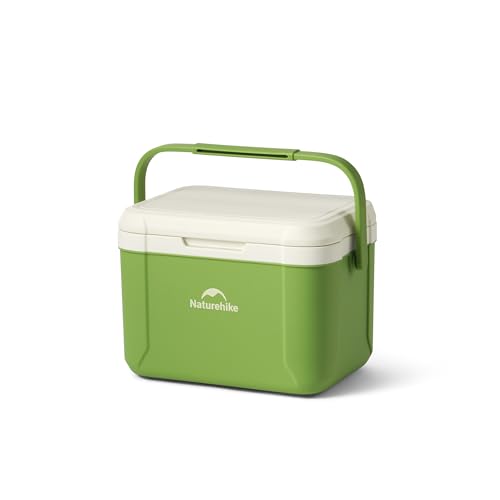
Naturehike’s 5.3-quart hard cooler is a compact, rugged option with five-sided thick polyurethane insulation. This design can keep food and beverages cool for up to 71.5 hours when filled to 75% capacity. It features a food-grade PP liner and a reinforced outer shell to withstand outdoor use and maintain a strong seal for temperature control.
- 5.3-quart capacity
- Five-sided polyurethane insulation
- Food-grade PP liner
- Reinforced outer shell
The lid’s high sealing performance helps improve insulation efficiency in varied outdoor conditions, making it a versatile choice for short trips and daylong outings.
Pinnacle 4.5-11 Liter Insulated Lunch Box

Pinnacle’s 4.5-11 liter insulated cooler lunch box provides flexible sizing for picnics and small gatherings. It uses 20 mm polyurethane foam to keep contents cool for up to 48 hours. A swing-up handle and a tight flip-top lid help with carrying comfort and quick access to food and drinks.
- 4.5-11 L capacity
- 20 mm polyurethane foam insulation
- Swing-up handle
- Tight-sealing flip-top lid
Buying Guide
Size, Capacity, And Ice Retention
Capacity affects how much ice you can use and how long it will last. Smaller coolers are easier to carry but may need frequent refills, while larger models can hold more ice and stay cold longer, albeit with added weight. For longer trips, prioritize insulation quality over sheer size. Real-world retention depends on fill level, ambient temperature, and how often you open the lid. Look for sections that clearly communicate both capacity and endurance, such as “hours of ice retention” or “days up to X.”
Insulation Materials And Construction
Effective insulation reduces heat transfer. Common approaches include polyurethane foam (often 20 mm or more) and closed-cell foam linings. Some models advertise multi-layer or five-sided insulation for improved performance. Seals and gaskets also matter; a tight seal helps maintain cold air and reduce evaporation. When comparing units, note the insulation thickness, material type, and whether the interior food-grade liner is BPA-free.
Portability, Weight, And Durability
Weight and handle design influence portability. Ultra-light models improve transport for hikes or beach days, while heavier, sturdier builds suit rougher outdoor use. Handles, wheels, and carry grips affect how easily you can move a cooler over uneven terrain. Durability comes from the shell, hinges, and lid design. If you expect frequent moving or long trips, prioritize a model with a robust latch system and a reliable carrying mechanism.
Maintenance, Cleaning, And Longevity
Cooling efficiency benefits from easy cleaning and moisture control. Look for smooth interiors or leakproof seams, wipeable tops, and removable liners. Materials that resist moisture and scratches help the cooler stay looking new longer. Regular cleaning after trips reduces odor build-up and extends the product’s life.
Price, Value, And Use Case
Higher capacity and better insulation often come with a higher price. Weigh how often you’ll use the cooler, the typical trip duration, and how much ice you’re likely to need. For occasional weekend trips, mid-sized models with solid insulation provide good value. For frequent outdoor events or long beach stays, investing in a larger, well-insulated unit can be cost-effective over time due to reduced ice usage and improved longevity.