Best Small Floating Pond Plants for Natural Water Care and Shade
Answering your search for small floating pond plants, this guide highlights five compact options ideal for ponds and freshwater setups. Each plant offers benefits like shade, surface coverage, and natural filtration, helping balance water quality. Best fits are noted for beginner ponds, shaded habitats, and decorative displays. Use this overview to compare how they support fish health, algae control, and aesthetics in small water gardens.
| Product | Best For | Key Benefit |
|---|---|---|
| Aquatics Floating Flowering Plant (Water Hyacinth) | New ponds, natural filtration | Nitrates and ammonia control; surface shade |
| Water Spangle (Salvinia Minima) | Low-light, small ponds | Easy coverage; floating mat; low maintenance |
| Red Root Floater (Phyllanthus Fluitans) | Color and habitat variety | Bright red roots; shade and cover; organic load absorption |
| Artificial Lily Pads | Decorative setups; no maintenance | Layered look; provides shade without live plant care |
| Water Lettuce | Water gardens seeking filtration | Natural biofilter; floating canopy |
The following sections summarize each product with its best-use scenario, what it does best, and potential limitations to consider when choosing for your pond or aquarium.
Floating Flowering Plant: Water Hyacinth

Brand: Aquatics
Features: Natural filtration, shade and shelter, fast growth
Best for: Beginners creating a natural water balance; those needing quick surface coverage and nitrate control. This plant excels at reducing water quality issues while providing shelter for fry. Limitations: Can rapidly spread; manage growth to prevent over-dominance and reduced dissolved oxygen at night in smaller ponds.
Water Spangle: Salvinia Minima

Brand: Plant Center
Features: 12 plants; 60+ leaves; low to medium light; temperature caveat
Best for: Small, low-maintenance ponds needing quick surface coverage and simple care. This plant tolerates modest light levels and helps shade the water. Limitation: Temperature warnings may affect availability or growth during extreme heat or cold; monitor conditions to avoid cancellation or poor performance.
Red Root Floater: Phyllanthus Fluitans
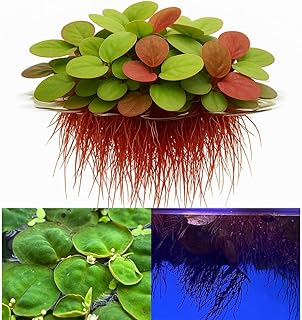
Brand: Aquatic
Features: Grouped plant clusters; vibrant roots; natural refuge
Best for: Aquariums or ponds needing a striking canopy with red roots. Choose this for visual interest and a natural hide for fry and small fish. Limitation: The listing notes clusters rather than isolated pieces; ensure you have enough space for the clumps to spread without overcrowding other plants.
Artificial Lily Pads Floating

Brand: WILLBOND Store
Features: 12 pads in 4 sizes; realistic look; fish-safe foam
Best for: Decorative ponds and fish tanks where maintenance must be avoided. Avoid using as a sole canopy if real shading is required, as these are artificial and do not grow or filter water.
Water Lettuce: Floating Plant

Brand: Aquatics
Features: One plant per order; easy maintenance; natural biofilter
Best for: Ponds seeking a natural filtration helper with floating coverage. Use alongside other plants to maintain balanced light and nutrient dynamics. Caution: Size and growth may vary; ensure the plant fits your pond’s surface area to prevent crowding.
Buying Guide
What should I consider before buying floating pond plants?
Purpose: Decide if you want natural filtration, shade, or decorative coverage. Some plants filter nutrients while others mainly provide habitat or decor.
Light, temperature, and habitat
Most floating plants prefer full to partial sun and stable temperatures. Check each product’s notes for light requirements and temperature sensitivity to prevent poor growth or cancellation of orders.
Size and growth management
Floating plants can spread quickly. Favor options with clear growth guidance and plan for periodic thinning to avoid blocking essential pond surface area or depleting oxygen at night.
Impact on pond chemistry
Some plants actively remove nitrates and ammonia, supporting water quality. Others mainly provide shade and shelter. Combine species to balance filtration, shading, and habitat needs.
Maintenance and safety
Artificial pads require minimal care but may look less natural. Live plants offer real ecological benefits but require routine trimming and potential containment to prevent overgrowth.
Placement and aesthetics
Use floating plants to create layered canopies, cover open water, and enhance pond aesthetics. Consider color, leaf shape, and texture to complement existing features in your water garden.
Frequently asked questions
- Are floating pond plants illegal to keep in certain areas? Some species may be regulated; check local guidelines before purchasing.
- Do floating plants require soil? Most floating plants do not; they float on the surface and may root in the water or substrate.
- Will floating plants harm my fish? They generally provide shade and shelter, which can help reduce stress and predation risk for fish.
- Can floating plants help control algae? By shading the water and absorbing nutrients, some species can reduce algal blooms.