Best Soil Acidifier for Azaleas and Other Acid-Loving Plants
Choosing the right soil acidifier helps azaleas and other acid-loving plants thrive by lowering soil pH and improving nutrient availability. This guide highlights five top options, detailing what each product does, how it benefits azaleas and related species, and practical tips for application in home gardens.
| Product | Brand | Key Benefit |
|---|---|---|
| True Organic Soil Acidifier | True Organic | Lowers soil pH; supports acid-loving plants |
| GARDENWISE 8-4-8 | GARDENWISE | Soil acidification + essential micronutrients |
| Espoma Organic Soil Acidifier 6 Lb | Espoma | Organic pH reduction; hydrangea blueing support |
| Espoma Organic Soil Acidifier Amendment 30 Lb | Espoma | Organic soil pH lowering for diverse acid lovers |
| Bloom City’s Acid-Loving Plant Fertilizer | Bloom City | Maintains acidic soil pH; promotes robust growth |
True Organic Soil Acidifier

True Organic Soil Acidifier effectively lowers soil pH to create an optimal environment for acid-loving plants, including azaleas. It is particularly noted for hydrangea blueing when planted in more acidic soils. This product supports the health of azaleas, rhododendrons, blueberries, camellias, and other acid-loving species by fostering conditions that enhance nutrient uptake and overall vigor.
GARDENWISE 8-4-8 Acidic Fertilizer

GARDENWISE 8-4-8 provides a balanced blend with magnesium, iron, and manganese to prevent chlorosis in acid-loving plants. Beyond lowering pH, it enriches the soil with micronutrients essential for azaleas, camellias, rhododendrons, hydrangeas, blueberries, and even magnolias and evergreens. Its bio-solid formulation introduces beneficial microbes, helping soil biology support ongoing plant health.
Espoma Organic Soil Acidifier 6 Lb
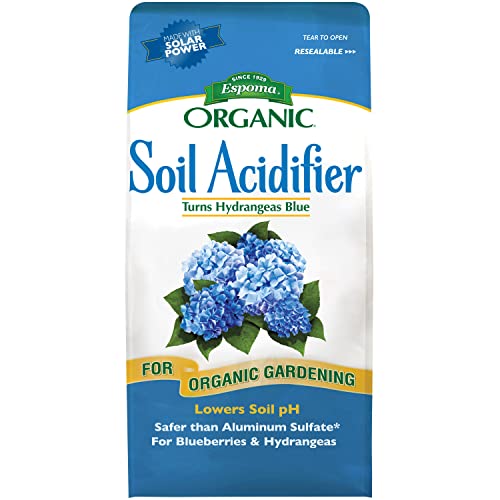
Espoma Organic Soil Acidifier is formulated for use on all acid-loving plants, including azaleas, hydrangeas, rhododendrons, and blueberries. It turns hydrangea blooms blue when paired with soil pH reduction and contains elemental sulfur and gypsum to support gradual, safe acidity changes. This product is widely trusted for organic gardening and long-term soil health.
Espoma Organic Soil Acidifier Amendment 6 Lb
This Espoma amendment is designed for broader acid-loving use, lowering soil pH and supporting blue hydrangea blooms. It contains elemental sulfur and gypsum, offering a steady, organic approach to acidification that aligns with sustainable gardening practices and organic certification standards.
Bloom City’s Acid-Loving Plant Fertilizer
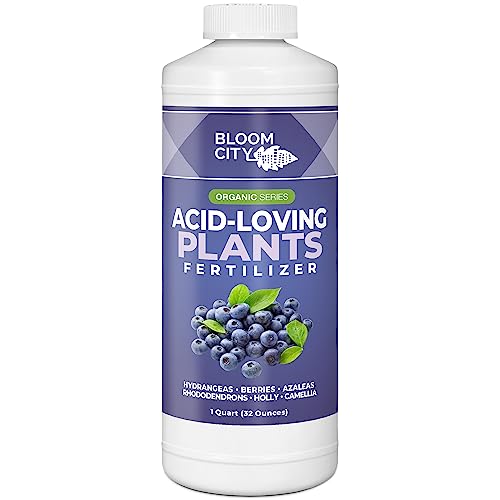
Bloom City’s formula focuses on maintaining acidic soil while supporting robust growth for azaleas, rhododendrons, blueberries, and related species. Succinic acid components optimize soil acidity, enhancing nutrient uptake and plant health, which helps sustain vibrant foliage and blooms in acid-preferred environments.
Buying Guide
When selecting a soil acidifier for azaleas, consider how quickly you want results, existing soil texture, and any organic gardening goals. Fast-acting products may lower pH more quickly but could require careful reapplication to avoid over-acidification. For organic gardening, prioritize products labeled as organic or derived from elemental sulfur and natural minerals.
- Soil pH target: Azaleas and rhododendrons typically prefer slightly acidic to acidic soil (pH around 4.5–6.0). Test your soil before applying and re-check after several weeks.
- Active ingredients: Elemental sulfur compounds are common for pH reduction; gypsum helps with calcium balance and improved soil structure.
- Nutrient balance: Some products also include micronutrients like iron and magnesium to prevent chlorosis common in acid-loving plants.
- Format and application: Granular blends are easy to apply around shrubs; some products are designed as slow-release to minimize drift and runoff.
- Organic compatibility: If you garden organically, verify certification and avoid synthetic additives not permitted in organic regimes.
- Hydrangea color impact: For blue hydrangeas, consistent acidity is essential; monitor soil pH to maintain blue blooms over time.